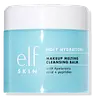
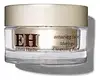
e.l.f. cosmetics Holy Hydration! Makeup Melting Cleansing Balm Versus Emma Hardie Moringa Cleansing Balm
This oil-based makeup remover is made to dissolve makeup, sunscreen, and daily buildup.
This oil-based cleanser uses mild cleansing ingredients, but contains alcohol that may feel drying for some.


What's inside
What's inside
 Key Ingredients
Benefits
Concerns
Ingredients Side-by-side
Cetyl Ethylhexanoate
EmollientCaprylic/Capric Triglyceride
Masking


Hydrogenated Polydecene
EmollientPEG-20 Glyceryl Triisostearate
Emollient

Polyethylene
Abrasive

PEG-10 Isostearate
Emulsifying
Helianthus Annuus Seed Oil
Emollient
Hydrogenated Sunflower Seed Oil
Skin Conditioning
Palmitoyl Tripeptide-1
Skin Conditioning



Palmitoyl Tetrapeptide-7
Skin Conditioning
Ceramide NP
Skin Conditioning


Ceramide AP
Skin Conditioning
Ceramide EOP
Skin Conditioning
Hydrolyzed Sodium Hyaluronate
Skin Conditioning
Phytosphingosine
Skin Conditioning
Glycerin
Humectant
Butylene Glycol
Humectant
Water
Skin ConditioningPolysorbate 20
Emulsifying
Carbomer
Emulsion StabilisingXanthan Gum
EmulsifyingCholesterol
Emollient
Sodium Lauroyl Lactylate
EmulsifyingPhenoxyethanol
Preservative
Ethylhexylglycerin
Skin ConditioningCaprylyl Glycol
Emollient
Geraniol
Perfuming


Linalool
Perfuming
Parfum
Masking
Cetyl Ethylhexanoate, Caprylic/Capric Triglyceride, Hydrogenated Polydecene, PEG-20 Glyceryl Triisostearate, Polyethylene, PEG-10 Isostearate, Helianthus Annuus Seed Oil, Hydrogenated Sunflower Seed Oil, Palmitoyl Tripeptide-1, Palmitoyl Tetrapeptide-7, Ceramide NP, Ceramide AP, Ceramide EOP, Hydrolyzed Sodium Hyaluronate, Phytosphingosine, Glycerin, Butylene Glycol, Water, Polysorbate 20, Carbomer, Xanthan Gum, Cholesterol, Sodium Lauroyl Lactylate, Phenoxyethanol, Ethylhexylglycerin, Caprylyl Glycol, Geraniol, Linalool, Parfum
Vitis Vinifera Seed Oil
Emollient
Prunus Amygdalus Dulcis Oil
Skin Conditioning
Caprylic/Capric Triglyceride
Masking
Cetearyl Alcohol
Emollient
PEG-8 Beeswax
Emulsifying
PEG-6 Caprylic/Capric Glycerides
EmulsifyingPEG-60 Almond Glycerides
Emulsifying
Sorbitan Stearate
Emulsifying
Palmitic/Stearic Triglyceride
Limonene
Perfuming
Citrus Aurantium Dulcis Peel Oil
Masking
Silica
Abrasive

Glycerin
Humectant
Phenoxyethanol
Preservative
Benzyl Alcohol
Perfuming
Citrus Aurantium Bergamia Fruit Oil
Masking
Citrus Aurantium Amara Flower Oil
Masking
Citrus Nobilis Peel Oil
Masking
Juniperus Virginiana Oil
Masking
Water
Skin ConditioningLecithin
Emollient
Linalool
Perfuming
Butylene Glycol
Humectant
Octyldodecyl PCA
EmollientMenthyl PCA
HumectantTocopherol
Antioxidant



Ascorbyl Palmitate
Antioxidant
Crithmum Maritimum Extract
Skin ConditioningHelianthus Annuus Seed Oil
Emollient
Moringa Oleifera Seed Extract
Skin Conditioning
Jasminum Officinale Flower Oil
Perfuming
Rosa Damascena Flower Oil
Masking
Disodium Phosphate
BufferingCitronellol
Perfuming
Citric Acid
Buffering
Geraniol
Perfuming
Citral
Perfuming
Vitis Vinifera Seed Oil, Prunus Amygdalus Dulcis Oil, Caprylic/Capric Triglyceride, Cetearyl Alcohol, PEG-8 Beeswax, PEG-6 Caprylic/Capric Glycerides, PEG-60 Almond Glycerides, Sorbitan Stearate, Palmitic/Stearic Triglyceride, Limonene, Citrus Aurantium Dulcis Peel Oil, Silica, Glycerin, Phenoxyethanol, Benzyl Alcohol, Citrus Aurantium Bergamia Fruit Oil, Citrus Aurantium Amara Flower Oil, Citrus Nobilis Peel Oil, Juniperus Virginiana Oil, Water, Lecithin, Linalool, Butylene Glycol, Octyldodecyl PCA, Menthyl PCA, Tocopherol, Ascorbyl Palmitate, Crithmum Maritimum Extract, Helianthus Annuus Seed Oil, Moringa Oleifera Seed Extract, Jasminum Officinale Flower Oil, Rosa Damascena Flower Oil, Disodium Phosphate, Citronellol, Citric Acid, Geraniol, Citral
Reviews
Ingredients Explained
These ingredients are found in both products.
Ingredients higher up in an ingredient list are typically present in a larger amount.
Butylene Glycol (or BG) is used within cosmetic products for a few different reasons:
Overall, Butylene Glycol is a safe and well-rounded ingredient that works well with other ingredients.
Though this ingredient works well with most skin types, some people with sensitive skin may experience a reaction such as allergic rashes, closed comedones, or itchiness.
Learn more about Butylene GlycolCaprylic/Capric Triglyceride (aka MCT Oil) is a lightweight emollient, solvent, and texture enhancer. It is considered a skin-softener by helping to prevent moisture loss.
Though it behaves like an oil, it is not technically one due to its chemical composition. One perk of this ingredient is that it is very stable, resistant to oxidation, and unlikely to go rancid.
In practice, that translates to a long shelf life and a consistently elegant skin feel.
While there is an assumption Caprylic Triglyceride can clog pores due to it being derived from coconut oil, there is no research supporting this. Just patch test if you have concerns.
Fractionated coconut oil and MCT Oil are both listed as Caprylic/Capric Triglyceride according to INCI. This is because INCI names are based on the ingredient’s final chemical composition and not its marketing name or source.
This ingredient is treated as the gold standard fungal acne safe oil. Even though it is coconut derived, the problematic lauric acid is stripped out.
This leaves just caprylic (C8) and capric (C10) acid. These chain lengths actually trend antifungal; a 2020 study found caprylic acid was enough to disrupt Malassezia furfur cell membrane, with a caprylic acid derivative damaging membrane structures at concentrations as low as 0.2%.
Learn more about Caprylic/Capric TriglycerideGeraniol is used to add fragrance/parfum to a product. It is the main component of citronellol. It is a monoterpenoid and an alcohol.
Monoterpenes are naturally found in many parts of different plants.
Geraniol can be found in many essential oils including Rose Oil and Citronella Oil. The scent of Geraniol is often described as "rose-like". Many foods also contain Geraniol for fruit flavoring.
Geraniol can irritate the skin when exposed to air. However, irritation depends on the ability of geraniol to penetrate into the skin. In general, geraniol is not able to penetrate skin easily.
Geraniol is colorless and has low water-solubility. However, it is soluble in common organic solvents.
Like citronellol, it is a natural insect repellent.
2,6-Octadien-1-ol, 3,7-dimethyl-, (2E)-
Learn more about GeraniolGlycerin (or glycerol) is a compound naturally found in your skin. It's a powerhouse humectant that pulls water into the stratum corneum.
Topically, glycerin does several things at once:
Your skin makes glycerin on its own (mostly from sebaceous oil breakdown) and shuttles it to your outermost layer of skin, or your epidermis, via aquaporin-3.
Aquaporin-3 is a transporter that is essential for normal skin hydration, elasticity, and repair. Interestingly, mice lacking in AQP3 have dry and less elastic skin that can be fully corrected with glycerin.
This ingredient is non-irritating, plays well with almost every ingredient, and works across all skin types. Typical use is anywhere between 3-10% but can go up to 79% in some leave-on products.
Just know very high concentrations (>40%) can feel tacky in low humidity.
Glycerin is the name for this ingredient in American English. British English uses Glycerol/Glycerine.
Learn more about GlycerinHelianthus Annuus Seed Oil is a plant oil derived from the seeds of a sunflower.
It is rich in fatty acids, primarily linoleic acid and oleic acid. This gives it emollient and skin conditioning properties.
The reason this ingredient is so effective is because it forms a thin film on the skin that reduces transepidermal water loss (TEWL) while supplying linoleic acid to the stratum corneum to improve barrier strength.
The high linoleic acid content is particularly noteworthy for acne-prone skin.
Research suggests that acne-prone skin tends to be deficient in linoleic acid in sebum. Topical application may help replenish this to support a healthier follicular environment and less comedone-promoting sebum.
One randomized study found sunflower seed oil preserved skin barrier integrity in adult volunteers with and without atopic dermatitis (outperforming olive oil).
This ingredient is well-studied, gentle, and an effective emollient suitable for most skin types.
On fungal acne: This ingredient may not be Fungal acne (Malassezia folliculitis) safe. This is because it contains fatty acids with carbon chain lengths in the C11-C24 range.
Learn more about Helianthus Annuus Seed OilLinalool is a fragrance and helps add scent to products. It's derived from common plants such as cinnamon, mint, citrus, and lavender.
Like Limonene, this ingredient oxidizes when exposed to air. Oxidized linalool can cause allergies and skin sensitivity.
This ingredient has a scent that is floral, spicy tropical, and citrus-like.
Learn more about LinaloolPhenoxyethanol is one of the most widely used preservatives in skincare (and for good reason!).
It has a large spectrum of antimicrobial activity and especially effective bacteria, yeast, and mold while only having a weak effect on your skin's natural microbiome.
On a cellular level, it disrupts the cell membranes of microbes by poking holes that make the cell leak. This shuts down the chemical reactions the microbe needs to make energy so it can no longer survive.
Another perk of this ingredient is that it stays functional across a wide pH range (3-10).
You'll often see it paired with boosters like Ethylhexylglycerin; one study showed that a 1:9 ratio of Ethylhexylglycerin to Phenoxyethanol damages bacterial membranes as effectively as doubling the Phenoxyethanol concentration on its own.
Typical use concentrations range from 0.3-1% depending on the formula, and this ingredient is capped at 1% int the EU.
Safety-wise, the fear mongering does not hold up to the evidence. The EU's Scientific Committee on Consumer Safety and FDA consider it safe as a preservative at up to 1%, including for children of all ages.
Adverse systemic effects only showed up in animal studies at exposures roughly 200x higher than what people get from cosmetics. And despite its very widespread use, this ingredient is a rare sensitizer and allergic reactions are uncommon.
Learn more about PhenoxyethanolWater. It's the most common cosmetic ingredient of all. You'll usually see it at the top of ingredient lists, meaning that it makes up the largest part of the product.
So why is it so popular? Water most often acts as a solvent - this means that it helps dissolve other ingredients into the formulation.
You'll also recognize water as that liquid we all need to stay alive. If you see this, drink a glass of water. Remember to stay hydrated!
Learn more about Water

