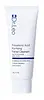
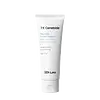
This mild gel cleanser is made to cleanse while respecting your skin barrier.

What's inside
What's inside
 Key Ingredients
Benefits
Concerns
Ingredients Side-by-side
Water
Skin ConditioningGlycerin
Humectant


Dipropylene Glycol
HumectantSodium Cocoamphoacetate
CleansingChondrus Crispus
Masking

Potassium Cocoyl Glycinate
Surfactant
Sodium Lauroyl Sarcosinate
CleansingPotassium Cocoate
Emulsifying
Decyl Glucoside
Cleansing
Sodium Polyacrylate
Absorbent
Propanediol
Solvent
Xanthan Gum
EmulsifyingTrehalose
Humectant
Dipotassium Glycyrrhizate
Humectant

Sodium Lauroyl Glutamate
SurfactantAcacia Senegal Gum
MaskingDecylene Glycol
Skin ConditioningGlyceryl Caprylate
EmollientSerenoa Serrulata Fruit Extract
Skin Conditioning
Cinnamomum Cassia Bark Extract
Masking
Hydrated Silica
Abrasive
Butylene Glycol
Humectant
Betaine
Humectant
Sapindus Mukorossi Peel Extract
Skin ConditioningPanthenol
Skin Conditioning
Sodium PCA
Humectant
Chondrus Crispus Extract
Skin Conditioning
1,2-Hexanediol
Skin Conditioning
Escin
TonicSorbitol
Humectant
Threonine
Arginine
Masking
Lysine
Skin ConditioningAlanine
Masking
Glutamic Acid
Humectant
Glycine
Buffering
Serine
Masking
Proline
Skin Conditioning
Ruscus Aculeatus Root Extract
Astringent
Ammonium Glycyrrhizate
MaskingPhenoxyethanol
Preservative
Centella Asiatica Leaf Extract
Skin Conditioning
Hydrolyzed Yeast Protein
Skin ConditioningCalendula Officinalis Flower Extract
Masking
Hydroxyacetophenone
Antioxidant
Gluconolactone
Skin Conditioning




Sodium Citrate
BufferingSodium Benzoate
Masking
Sodium Hyaluronate
Humectant
Water, Glycerin, Dipropylene Glycol, Sodium Cocoamphoacetate, Chondrus Crispus, Potassium Cocoyl Glycinate, Sodium Lauroyl Sarcosinate, Potassium Cocoate, Decyl Glucoside, Sodium Polyacrylate, Propanediol, Xanthan Gum, Trehalose, Dipotassium Glycyrrhizate, Sodium Lauroyl Glutamate, Acacia Senegal Gum, Decylene Glycol, Glyceryl Caprylate, Serenoa Serrulata Fruit Extract, Cinnamomum Cassia Bark Extract, Hydrated Silica, Butylene Glycol, Betaine, Sapindus Mukorossi Peel Extract, Panthenol, Sodium PCA, Chondrus Crispus Extract, 1,2-Hexanediol, Escin, Sorbitol, Threonine, Arginine, Lysine, Alanine, Glutamic Acid, Glycine, Serine, Proline, Ruscus Aculeatus Root Extract, Ammonium Glycyrrhizate, Phenoxyethanol, Centella Asiatica Leaf Extract, Hydrolyzed Yeast Protein, Calendula Officinalis Flower Extract, Hydroxyacetophenone, Gluconolactone, Sodium Citrate, Sodium Benzoate, Sodium Hyaluronate
Water
Skin ConditioningGlycerin
Humectant
Sodium Cocoyl Glycinate
Cleansing
Sodium Lauroyl Glutamate
SurfactantCocoyl Glutamic Acid
Cleansing
Sodium Lauroamphoacetate
CleansingLauryl Hydroxysultaine
CleansingSodium Chloride
MaskingCholesteryl Hydroxystearate
EmollientCitric Acid
Buffering

Phenoxyethanol
Preservative
Acrylates Copolymer
Hydroxyacetophenone
Antioxidant
Panthenol
Skin Conditioning
Ectoin
Skin Conditioning
Cetylhydroxyproline Palmitamide
Skin ConditioningButylene Glycol
Humectant
Caprylic/Capric Triglyceride
Masking
Dipalmitoyl Hydroxyproline
Skin Conditioning
Ceramide NP
Skin Conditioning
Hydrogenated Lecithin
Emulsifying
Astragalus Membranaceus Root Extract
Emollient
Ledebouriella Divaricata Root Extract
Skin ConditioningCalendula Officinalis Flower Extract
Masking
Gastrodia Elata Root Extract
Skin ConditioningAlbizia Julibrissin Flower Extract
Skin ConditioningCeramide Ns
Skin Conditioning
Ceramide As
Skin Conditioning
Ceramide EOP
Skin Conditioning
Ceramide AP
Skin Conditioning
Water, Glycerin, Sodium Cocoyl Glycinate, Sodium Lauroyl Glutamate, Cocoyl Glutamic Acid, Sodium Lauroamphoacetate, Lauryl Hydroxysultaine, Sodium Chloride, Cholesteryl Hydroxystearate, Citric Acid, Phenoxyethanol, Acrylates Copolymer, Hydroxyacetophenone, Panthenol, Ectoin, Cetylhydroxyproline Palmitamide, Butylene Glycol, Caprylic/Capric Triglyceride, Dipalmitoyl Hydroxyproline, Ceramide NP, Hydrogenated Lecithin, Astragalus Membranaceus Root Extract, Ledebouriella Divaricata Root Extract, Calendula Officinalis Flower Extract, Gastrodia Elata Root Extract, Albizia Julibrissin Flower Extract, Ceramide Ns, Ceramide As, Ceramide EOP, Ceramide AP
Reviews
Ingredients Explained
These ingredients are found in both products.
Ingredients higher up in an ingredient list are typically present in a larger amount.
Butylene Glycol (or BG) is used within cosmetic products for a few different reasons:
Overall, Butylene Glycol is a safe and well-rounded ingredient that works well with other ingredients.
Though this ingredient works well with most skin types, some people with sensitive skin may experience a reaction such as allergic rashes, closed comedones, or itchiness.
Learn more about Butylene GlycolCalendula Officinalis Flower Extract comes from the marigold flower and has been used on skin for centuries for its calming effect.
In the lab, its active compounds appear to calm inflammation and support the early "healing" phase of minor wounds.
This is why Europe's medicines regulator has approved calendula extracts as a traditional remedy for minor skin inflammation and healing small wounds.
The stronger human evidence is around would/ulcer care rather than everyday cosmetic claims; a review that pulled together 14 studies found that calendula helped calm the early, inflamed stage of a wound and helped new skin tissue form faster.
Two studies also showed it shrank leg ulcers (the kind caused by poor circulation). Results were mixed for burns and for the skin irritation people get from radiation treatment, so it's not a sure thing there.
In cosmetics, it's mostly a skin conditioning and soothing agent.
The Cosmetic Ingredient Review panel concluded that calendula-derived ingredients are safe as used and that the ingredients are not irritating, sensitizing, or photosensitizing in clinical tests (though they may be mild eye irritants).
Typical use levels are quite low; industry data reported it used at under 0.5% (one supplier noted a 10-25% extract blend used at 1-10% in the finished product). Historical use goes up to 10%.
The only thing to keep in mind is if you have daisy/ragweed allergies. Calendula is in the same family and one patch-test study found 2% of dermatitis patients reacted to marigold. Be sure to patch test if you have sensitive or allergy-prone skin.
Learn more about Calendula Officinalis Flower ExtractGlycerin (or glycerol) is a compound naturally found in your skin. It's a powerhouse humectant that pulls water into the stratum corneum.
Topically, glycerin does several things at once:
Your skin makes glycerin on its own (mostly from sebaceous oil breakdown) and shuttles it to your outermost layer of skin, or your epidermis, via aquaporin-3.
Aquaporin-3 is a transporter that is essential for normal skin hydration, elasticity, and repair. Interestingly, mice lacking in AQP3 have dry and less elastic skin that can be fully corrected with glycerin.
This ingredient is non-irritating, plays well with almost every ingredient, and works across all skin types. Typical use is anywhere between 3-10% but can go up to 79% in some leave-on products.
Just know very high concentrations (>40%) can feel tacky in low humidity.
Glycerin is the name for this ingredient in American English. British English uses Glycerol/Glycerine.
Learn more about GlycerinHydroxyacetophenone is a small phenolic molecule that earns its place in a formulas as an antioxidant and preservative booster.
As a phenol, it is able to neutralize free radicals to protect both the product and the skin from oxidative stress.
Though it can't kill microbes on its own, it works as a good supporting agent when combined with other preservatives like Phenoxyethanol or 1,2-Hexanediol.
This ingredient naturally occurs as piceol in Norwegian spruce needles (~0.4-1.1% dry weight and in cloudberries). Though the cosmetic-grade material is synthesized for purity and consistency.
You'll usually see it used at low levels and suppliers recommend up to 1% added to a water phase.
Safety testing was done at concentrations like 0.05% in SPF products and 0.5% in a Human Repeated Insult Patch Test. The safety evidence is assuring; this ingredient is safe for cosmetics in current use and also holds safety status as a food flavoring as well.
An honest caveat: the "soothing" and "anti-inflammatory" claims come mostly from supplier marketing rather than published clinical trials. The Cosmetic Ingredient Review's own literature search found no useful efficacy studies on this ingredient.
So the antioxidant and preservative-boosting roles are the well supported ones while the calming benefit is plausible but thinly evidenced.
Overall, this is a well-tolerated, low-irritation multitasker that quietly helps a formula stay fresh and stable.
Learn more about HydroxyacetophenonePanthenol is a common ingredient that helps hydrate and soothe the skin. It is found naturally in our skin and hair.
There are two forms of panthenol: D and L.
D-panthenol is also known as dexpanthenol. Most cosmetics use dexpanthenol or a mixture of D and L-panthenol.
Panthenol is famous due to its ability to go deeper into the skin's layers. Using this ingredient has numerous pros (and no cons):
Like hyaluronic acid, panthenol is a humectant. Humectants are able to bind and hold large amounts of water to keep skin hydrated.
This ingredient works well for wound healing. It works by increasing tissue in the wound and helps close open wounds.
Once oxidized, panthenol converts to pantothenic acid. Panthothenic acid is found in all living cells.
This ingredient is also referred to as pro-vitamin B5.
Learn more about PanthenolPhenoxyethanol is one of the most widely used preservatives in skincare (and for good reason!).
It has a large spectrum of antimicrobial activity and especially effective bacteria, yeast, and mold while only having a weak effect on your skin's natural microbiome.
On a cellular level, it disrupts the cell membranes of microbes by poking holes that make the cell leak. This shuts down the chemical reactions the microbe needs to make energy so it can no longer survive.
Another perk of this ingredient is that it stays functional across a wide pH range (3-10).
You'll often see it paired with boosters like Ethylhexylglycerin; one study showed that a 1:9 ratio of Ethylhexylglycerin to Phenoxyethanol damages bacterial membranes as effectively as doubling the Phenoxyethanol concentration on its own.
Typical use concentrations range from 0.3-1% depending on the formula, and this ingredient is capped at 1% int the EU.
Safety-wise, the fear mongering does not hold up to the evidence. The EU's Scientific Committee on Consumer Safety and FDA consider it safe as a preservative at up to 1%, including for children of all ages.
Adverse systemic effects only showed up in animal studies at exposures roughly 200x higher than what people get from cosmetics. And despite its very widespread use, this ingredient is a rare sensitizer and allergic reactions are uncommon.
Learn more about PhenoxyethanolSodium Lauroyl Glutamate is an amino-acid based mild surfactant that is used in formulas as a primary or secondary cleansing agent. This means it helps lift away oil, dirt, and makeup.
You'll see this ingredient in facial cleansers, shampoos, and even toothpaste because it foams reasonably well while being much gentler than harsher surfactants like SLS.
A study comparing surfactant mixtures found that Sodium Lauroyl Glutamate caused visibly less disruption to skin lipid structure and less irritation than SLS when tested on human subjects; this correlated with the data from in vivo results as well.
The Tenside, Surfactants, Detergents cosmetics industry journal has also concluded that amino acid based surfactants are generally milder than their corresponding alkyl sulfate counterparts. They also stated glutamates in particular are considered one of the gentler options in the category.
The Cosmetic Ingredient Review (CIR) Expert Panel has reviewed dermal irritation and sensitization data for this ingredient at the highest reported use concentration and concluded it to be safe in present practices.
Typical use concentrations tend to run low (generally less than 10%) though the CIR's review noted the highest reported use concentration was 40% as a raw material blend (and not a diluted finished cosmetic product).
Learn more about Sodium Lauroyl GlutamateWater. It's the most common cosmetic ingredient of all. You'll usually see it at the top of ingredient lists, meaning that it makes up the largest part of the product.
So why is it so popular? Water most often acts as a solvent - this means that it helps dissolve other ingredients into the formulation.
You'll also recognize water as that liquid we all need to stay alive. If you see this, drink a glass of water. Remember to stay hydrated!
Learn more about Water

