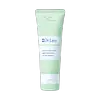
This mild cream cleanser is made to cleanse without leaving your skin tight or dry.

What's inside
What's inside
 Key Ingredients
Benefits
Concerns
Ingredients Side-by-side
Water
Skin ConditioningGlycerin
Humectant


Sodium Cocoyl Glycinate
Cleansing
Cocoyl Glutamic Acid
Cleansing
Sodium Chloride
MaskingBetula Platyphylla Japonica Juice
Skin Conditioning
Hydroxypropyl Starch
Sodium Lauroamphoacetate
CleansingCitric Acid
Buffering


Glycol Distearate
Emollient
Acrylates Copolymer
Maltooligosyl Glucoside
Skin ConditioningPropanediol
Solvent
Decyl Glucoside
Cleansing
Hydroxyacetophenone
Antioxidant
Hydrogenated Starch Hydrolysate
HumectantTrihydroxystearin
Skin Conditioning
Citrus Junos Peel Oil
Astringent
Butylene Glycol
Humectant
PEG-14m
Emulsion StabilisingMauritia Flexuosa Fruit Oil
Skin Conditioning

Glyceryl Caprylate
EmollientPEG-66 Trihydroxystearin
EmulsifyingCamellia Sinensis Leaf Water
Masking
Manicouagan Clay
AbsorbentRosmarinus Officinalis Extract
AntimicrobialChlorophyllin-Copper Complex
Antioxidant
Serenoa Serrulata Fruit Extract
Skin Conditioning
Helianthus Annuus Seed Oil
Emollient
Cellulose
Absorbent
Copper Chlorophyll
Cosmetic ColorantDipropylene Glycol
HumectantCinnamomum Cassia Bark Extract
Masking
1,2-Hexanediol
Skin Conditioning
Camellia Sinensis Leaf Extract
Antimicrobial



Melaleuca Alternifolia Leaf Oil
Antioxidant


Xanthan Gum
EmulsifyingWater, Glycerin, Sodium Cocoyl Glycinate, Cocoyl Glutamic Acid, Sodium Chloride, Betula Platyphylla Japonica Juice, Hydroxypropyl Starch, Sodium Lauroamphoacetate, Citric Acid, Glycol Distearate, Acrylates Copolymer, Maltooligosyl Glucoside, Propanediol, Decyl Glucoside, Hydroxyacetophenone, Hydrogenated Starch Hydrolysate, Trihydroxystearin, Citrus Junos Peel Oil, Butylene Glycol, PEG-14m, Mauritia Flexuosa Fruit Oil, Glyceryl Caprylate, PEG-66 Trihydroxystearin, Camellia Sinensis Leaf Water, Manicouagan Clay, Rosmarinus Officinalis Extract, Chlorophyllin-Copper Complex, Serenoa Serrulata Fruit Extract, Helianthus Annuus Seed Oil, Cellulose, Copper Chlorophyll, Dipropylene Glycol, Cinnamomum Cassia Bark Extract, 1,2-Hexanediol, Camellia Sinensis Leaf Extract, Melaleuca Alternifolia Leaf Oil, Xanthan Gum
Water
Skin ConditioningGlycerin
Humectant
Dipropylene Glycol
HumectantSodium Cocoamphoacetate
CleansingChondrus Crispus
Masking
Potassium Cocoyl Glycinate
Surfactant
Sodium Lauroyl Sarcosinate
CleansingPotassium Cocoate
Emulsifying
Decyl Glucoside
Cleansing
Sodium Polyacrylate
Absorbent
Propanediol
Solvent
Xanthan Gum
EmulsifyingTrehalose
Humectant
Dipotassium Glycyrrhizate
Humectant
Sodium Lauroyl Glutamate
SurfactantAcacia Senegal Gum
MaskingDecylene Glycol
Skin ConditioningGlyceryl Caprylate
EmollientSerenoa Serrulata Fruit Extract
Skin Conditioning
Cinnamomum Cassia Bark Extract
Masking
Hydrated Silica
Abrasive
Butylene Glycol
Humectant
Betaine
Humectant
Sapindus Mukorossi Peel Extract
Skin ConditioningPanthenol
Skin Conditioning
Sodium PCA
Humectant
Chondrus Crispus Extract
Skin Conditioning
1,2-Hexanediol
Skin Conditioning
Escin
TonicSorbitol
Humectant
Threonine
Arginine
Masking
Lysine
Skin ConditioningAlanine
Masking
Glutamic Acid
Humectant
Glycine
Buffering
Serine
Masking
Proline
Skin Conditioning
Ruscus Aculeatus Root Extract
Astringent
Ammonium Glycyrrhizate
MaskingPhenoxyethanol
Preservative
Centella Asiatica Leaf Extract
Skin Conditioning
Hydrolyzed Yeast Protein
Skin ConditioningCalendula Officinalis Flower Extract
Masking
Hydroxyacetophenone
Antioxidant
Gluconolactone
Skin Conditioning

Sodium Citrate
BufferingSodium Benzoate
Masking
Sodium Hyaluronate
Humectant
Water, Glycerin, Dipropylene Glycol, Sodium Cocoamphoacetate, Chondrus Crispus, Potassium Cocoyl Glycinate, Sodium Lauroyl Sarcosinate, Potassium Cocoate, Decyl Glucoside, Sodium Polyacrylate, Propanediol, Xanthan Gum, Trehalose, Dipotassium Glycyrrhizate, Sodium Lauroyl Glutamate, Acacia Senegal Gum, Decylene Glycol, Glyceryl Caprylate, Serenoa Serrulata Fruit Extract, Cinnamomum Cassia Bark Extract, Hydrated Silica, Butylene Glycol, Betaine, Sapindus Mukorossi Peel Extract, Panthenol, Sodium PCA, Chondrus Crispus Extract, 1,2-Hexanediol, Escin, Sorbitol, Threonine, Arginine, Lysine, Alanine, Glutamic Acid, Glycine, Serine, Proline, Ruscus Aculeatus Root Extract, Ammonium Glycyrrhizate, Phenoxyethanol, Centella Asiatica Leaf Extract, Hydrolyzed Yeast Protein, Calendula Officinalis Flower Extract, Hydroxyacetophenone, Gluconolactone, Sodium Citrate, Sodium Benzoate, Sodium Hyaluronate
Reviews
Ingredients Explained
These ingredients are found in both products.
Ingredients higher up in an ingredient list are typically present in a larger amount.
1,2-Hexanediol is a synthetic liquid and another multi-functional powerhouse.
It is a:
- Humectant, drawing moisture into the skin
- Emollient, helping to soften skin
- Solvent, dispersing and stabilizing formulas
- Preservative booster, enhancing the antimicrobial activity of other preservatives
Butylene Glycol (or BG) is used within cosmetic products for a few different reasons:
Overall, Butylene Glycol is a safe and well-rounded ingredient that works well with other ingredients.
Though this ingredient works well with most skin types, some people with sensitive skin may experience a reaction such as allergic rashes, closed comedones, or itchiness.
Learn more about Butylene GlycolThis ingredient comes from the cinnamon tree native to southern China.
Though cinnamon has a wonderful taste, it can cause skin irritation due to its rich coumarins, cinnamaldehyde, and styrene content.
Decyl Glucoside is a plant-derived surfactant and emulsion stabilizer. It is created by reacting glucose with the fatty acids from plants.
Like all surfactants, it works by lowering the surface tension between water and oil. This makes it so that dirt, sebum, and makeup can be lifted off your skin and rinsed away. It also produces a dense and creamy foam.
Because it has a neutral charge, it is compatible with a wide range of ingredients and stays stable across a broad pH range/water hardiness conditions.
Patch testing has shown it to have the lowest irritation potential among common cleansing surfactants (like SLS).
Typical use levels range from 5-20% in rinse-off cleansers.
One thing worth knowing: The American Contact Dermatitis Society named the parent family, alkyl glucosides, "Allergen of the Year" in 2017. The prevalence of allergy is pretty low but be sure to patch test if you've reacted to "gentle" or sulfate-free cleansers before.
This ingredient is fungal acne safe because the fatty alcohol portion of this ingredient is not within the C11-24 chain length that Malassezia can metabolize.
Learn more about Decyl GlucosideDipropylene Glycol is a synthetically created humectant, stabilizer, and solvent.
This ingredient helps:
Dipropylene glycol is technically an alcohol, but it belongs to the glycol family (often considered part of the ‘good’ alcohols). This means it is hydrating and gentle on skin unlike drying solvent alcohols like denatured alcohol.
As a masking agent, Dipropylene Glycol can be used to cover the smell of other ingredients. However, it does not have a scent.
Studies show Dipropylene Glycol is considered safe to use in skincare.
Learn more about Dipropylene GlycolGlycerin (or glycerol) is a compound naturally found in your skin. It's a powerhouse humectant that pulls water into the stratum corneum.
Topically, glycerin does several things at once:
Your skin makes glycerin on its own (mostly from sebaceous oil breakdown) and shuttles it to your outermost layer of skin, or your epidermis, via aquaporin-3.
Aquaporin-3 is a transporter that is essential for normal skin hydration, elasticity, and repair. Interestingly, mice lacking in AQP3 have dry and less elastic skin that can be fully corrected with glycerin.
This ingredient is non-irritating, plays well with almost every ingredient, and works across all skin types. Typical use is anywhere between 3-10% but can go up to 79% in some leave-on products.
Just know very high concentrations (>40%) can feel tacky in low humidity.
Glycerin is the name for this ingredient in American English. British English uses Glycerol/Glycerine.
Learn more about GlycerinGlyceryl Caprylate comes from glycerin and caprylic acid. It is an emollient, co-emulsifier, and preservative booster.
Its short C8 fatty acid chain makes it behave differently from its longer-chain emollient cousins like Glyceryl Stearate. It feels more lightweight, fast-absorbing, and silky instead of rich and waxy.
As a co-emulsifier, its "head" and "tail" sit at the oil-water interface. But overall, the short C8 tail and not being water soluble means it doesn't really have the muscle to emulsify a formula on its own. That's why you'll often see it paired with a primary emulsifier like Cetearyl Glucoside.
Interestingly, Glyceryl Caprylate acts as a preservative booster. This is because its fatty-acid backbone disrupts microbial lipid membranes. It shows excellent activity against bacteria and yeast but is weaker against mold.
Typical concentrations range from 0.5-1% and this ingredient is generally non-irritating.
Because this ingredient has a C8 fatty acid chain, it is outside the range that the Malassezia yeast metabolizes (making it fungal acne safe).
Learn more about Glyceryl CaprylateHydroxyacetophenone is a small phenolic molecule that earns its place in a formulas as an antioxidant and preservative booster.
As a phenol, it is able to neutralize free radicals to protect both the product and the skin from oxidative stress.
Though it can't kill microbes on its own, it works as a good supporting agent when combined with other preservatives like Phenoxyethanol or 1,2-Hexanediol.
This ingredient naturally occurs as piceol in Norwegian spruce needles (~0.4-1.1% dry weight and in cloudberries). Though the cosmetic-grade material is synthesized for purity and consistency.
You'll usually see it used at low levels and suppliers recommend up to 1% added to a water phase.
Safety testing was done at concentrations like 0.05% in SPF products and 0.5% in a Human Repeated Insult Patch Test. The safety evidence is assuring; this ingredient is safe for cosmetics in current use and also holds safety status as a food flavoring as well.
An honest caveat: the "soothing" and "anti-inflammatory" claims come mostly from supplier marketing rather than published clinical trials. The Cosmetic Ingredient Review's own literature search found no useful efficacy studies on this ingredient.
So the antioxidant and preservative-boosting roles are the well supported ones while the calming benefit is plausible but thinly evidenced.
Overall, this is a well-tolerated, low-irritation multitasker that quietly helps a formula stay fresh and stable.
Learn more about HydroxyacetophenonePropanediol is an all-star ingredient. It softens, hydrates, and smooths the skin.
It’s often used to:
Propanediol is not likely to cause sensitivity and considered safe to use. It is derived from corn or petroleum with a clear color and no scent.
Learn more about PropanediolSerenoa Serrulata Fruit Extract can be good for oily skin.
Water. It's the most common cosmetic ingredient of all. You'll usually see it at the top of ingredient lists, meaning that it makes up the largest part of the product.
So why is it so popular? Water most often acts as a solvent - this means that it helps dissolve other ingredients into the formulation.
You'll also recognize water as that liquid we all need to stay alive. If you see this, drink a glass of water. Remember to stay hydrated!
Learn more about WaterXanthan gum is used as a stabilizer and thickener within cosmetic products. It helps give products a sticky, thick feeling - preventing them from being too runny.
On the technical side of things, xanthan gum is a polysaccharide - a combination consisting of multiple sugar molecules bonded together.
Xanthan gum is a pretty common and great ingredient. It is a natural, non-toxic, non-irritating ingredient that is also commonly used in food products.
Learn more about Xanthan Gum

