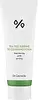
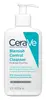
This salicylic acid gel cleanser is formulated around Salicylic Acid to clear breakouts and unclog pores.


What's inside
What's inside
 Key Ingredients
Benefits
Concerns
Ingredients Side-by-side
Water
Skin ConditioningMelaleuca Alternifolia Leaf Extract
Perfuming
Acrylates Copolymer
Potassium Laureth Phosphate
EmulsifyingPotassium Cocoyl Glycinate
Surfactant
Sodium Cocoyl Alaninate
Surfactant
Cocamidopropyl Betaine
Cleansing


Butylene Glycol
Humectant

Sodium Chloride
MaskingPEG-90 Diisostearate
Cleansing
Sodium Benzoate
Masking
Potassium Hydroxide
BufferingCitric Acid
Buffering

Phenoxyethanol
Preservative
Styrene/Acrylates Copolymer
Hydroxypropyl Methylcellulose
Emulsion StabilisingGuar Hydroxypropyltrimonium Chloride
Skin ConditioningTrehalose
Humectant
Hippophae Rhamnoides Extract
MaskingDisodium EDTA
ChelatingLavandula Angustifolia Oil
Masking


Linalool
Perfuming
Melaleuca Alternifolia Leaf Oil
Antioxidant


Morus Alba Extract
AstringentMorus Alba Bark Extract
Skin ConditioningSalix Nigra Bark Extract
Skin ProtectingAdansonia Digitata Leaf Extract
Skin ConditioningPropylene Glycol
Humectant
Spirodela Polyrhiza Extract
Skin ConditioningGlyoxal
Antimicrobial
Hamamelis Virginiana Water
Astringent
Water, Melaleuca Alternifolia Leaf Extract, Acrylates Copolymer, Potassium Laureth Phosphate, Potassium Cocoyl Glycinate, Sodium Cocoyl Alaninate, Cocamidopropyl Betaine, Butylene Glycol, Sodium Chloride, PEG-90 Diisostearate, Sodium Benzoate, Potassium Hydroxide, Citric Acid, Phenoxyethanol, Styrene/Acrylates Copolymer, Hydroxypropyl Methylcellulose, Guar Hydroxypropyltrimonium Chloride, Trehalose, Hippophae Rhamnoides Extract, Disodium EDTA, Lavandula Angustifolia Oil, Linalool, Melaleuca Alternifolia Leaf Oil, Morus Alba Extract, Morus Alba Bark Extract, Salix Nigra Bark Extract, Adansonia Digitata Leaf Extract, Propylene Glycol, Spirodela Polyrhiza Extract, Glyoxal, Hamamelis Virginiana Water
Water
Skin ConditioningCocamidopropyl Hydroxysultaine
Cleansing
Glycerin
Humectant
Sodium Lauroyl Sarcosinate
CleansingNiacinamide
Smoothing





Salicylic Acid
Masking
Sodium Methyl Cocoyl Taurate
Cleansing
PEG-150 Pentaerythrityl Tetrastearate
Emulsifying
Gluconolactone
Chelating
Sodium Cocoyl Isethionate
Cleansing
Ceramide NP
Skin Conditioning
Ceramide AP
Skin Conditioning
Ceramide EOP
Skin Conditioning
Carbomer
Emulsion StabilisingCalcium Gluconate
HumectantTriethyl Citrate
Masking
Sodium Hydroxide
BufferingSodium Benzoate
Masking
Sodium Chloride
MaskingSodium Lauroyl Lactylate
EmulsifyingCholesterol
Emollient
Coconut Acid
Cleansing
Tetrasodium EDTA
ChelatingCaprylyl Glycol
Emollient
Hydrolyzed Hyaluronic Acid
Humectant
Trisodium Ethylenediamine Disuccinate
ChelatingHectorite
AbsorbentPhytosphingosine
Skin Conditioning
Xanthan Gum
EmulsifyingAcrylates Copolymer
Benzoic Acid
Masking
Water, Cocamidopropyl Hydroxysultaine, Glycerin, Sodium Lauroyl Sarcosinate, Niacinamide, Salicylic Acid, Sodium Methyl Cocoyl Taurate, PEG-150 Pentaerythrityl Tetrastearate, Gluconolactone, Sodium Cocoyl Isethionate, Ceramide NP, Ceramide AP, Ceramide EOP, Carbomer, Calcium Gluconate, Triethyl Citrate, Sodium Hydroxide, Sodium Benzoate, Sodium Chloride, Sodium Lauroyl Lactylate, Cholesterol, Coconut Acid, Tetrasodium EDTA, Caprylyl Glycol, Hydrolyzed Hyaluronic Acid, Trisodium Ethylenediamine Disuccinate, Hectorite, Phytosphingosine, Xanthan Gum, Acrylates Copolymer, Benzoic Acid
Reviews
Ingredients Explained
These ingredients are found in both products.
Ingredients higher up in an ingredient list are typically present in a larger amount.
Acrylates Copolymer is used as a film-forming agent and texture enhancer.
After applied, Acrylates Copolymer forms a thin film cover that helps skin feel more soft. It can help sunscreens become more water-resistant.
It is also used to make a product more thick.
Learn more about Acrylates CopolymerSodium Benzoate is a preservative. It's used in both cosmetic and food products to inhibit the growth of mold and bacteria. It is typically produced synthetically.
Both the US FDA and EU Health Committee have approved the use of sodium benzoate. In the US, levels of 0.1% (of the total product) are allowed.
Sodium benzoate works as a preservative by inhibiting the growth of bacteria inside of cells. It prevents the cell from fermenting a type of sugar using an enzyme called phosphofructokinase.
It is the salt of benzoic acid. Foods containing sodium benzoate include soda, salad dressings, condiments, fruit juices, wines, and snack foods.
Studies for using ascorbic acid and sodium benzoate in cosmetics are lacking, especially in skincare routines with multiple steps.
We always recommend speaking with a professional, such as a dermatologist, if you have any concerns.
Learn more about Sodium BenzoateChances are, you eat sodium chloride every day. Sodium Chloride is also known as table salt. This ingredient has many purposes in skincare: thickener, emulsifier, and exfoliator.
You'll most likely find this ingredient in cleansers where it is used to create a gel-like texture. As an emulsifier, it also prevents ingredients from separating.
You might see people debate whether Sodium Chloride is comedogenic, but there actually haven't been any comedogenic tests done on it. Either way, the overall formulation of a product matters a lot more than any single ingredient.
You might see this ingredient used in scrubs as a primary exfoliating ingredient.
Learn more about Sodium ChlorideWater. It's the most common cosmetic ingredient of all. You'll usually see it at the top of ingredient lists, meaning that it makes up the largest part of the product.
So why is it so popular? Water most often acts as a solvent - this means that it helps dissolve other ingredients into the formulation.
You'll also recognize water as that liquid we all need to stay alive. If you see this, drink a glass of water. Remember to stay hydrated!
Learn more about Water

