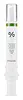
This acne treatment is formulated around Melaleuca Alternifolia Leaf Oil and Panthenol to clear breakouts and calm redness.
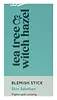
This acne treatment is formulated around Melaleuca Alternifolia Leaf Oil to clear breakouts and balance excess oil.


What's inside
What's inside
 Key Ingredients
Benefits
Concerns
Ingredients Side-by-side
Melaleuca Alternifolia Leaf Extract
Perfuming
Glycerin
Humectant


Cyclopentasiloxane
Emollient
Isodecyl Neopentanoate
EmollientHydrogenated Polyisobutene
EmollientDimethicone
Emollient
Ammonium Acryloyldimethyltaurate/Vp Copolymer
Water
Skin ConditioningDimethicone/Vinyl Dimethicone Crosspolymer
Skin Conditioning
Algae Extract
EmollientEclipta Prostrata Leaf Extract
Skin ConditioningPiper Methysticum Leaf/Root/Stem Extract
Skin ConditioningCitrus Aurantium Bergamia Fruit Oil
Masking


Cymbopogon Schoenanthus Oil
Masking
Melia Azadirachta Flower Extract
Skin ConditioningMelia Azadirachta Leaf Extract
Skin ConditioningOcimum Sanctum Leaf Extract
Skin ConditioningCurcuma Longa Root Extract
Antioxidant
Malt Extract
Skin ProtectingCoccinia Indica Fruit Extract
Skin Conditioning

Corallina Officinalis Extract
Skin Conditioning
Solanum Melongena Fruit Extract
Skin ConditioningAloe Barbadensis Flower Extract
EmollientUlmus Davidiana Root Extract
Skin Conditioning
Amaranthus Caudatus Seed Extract
Skin Conditioning
Avena Sativa Kernel Extract
Abrasive
Pteris Multifida Extract
Antioxidant
Cynara Scolymus Leaf Extract
Skin ConditioningCardiospermum Halicacabum Flower/Leaf/Vine Extract
Skin ConditioningRosmarinus Officinalis Leaf Extract
AntimicrobialRibes Nigrum Seed Oil
Emollient

Hydrogenated Lecithin
Emulsifying
Citrus Aurantium Dulcis Oil
Masking
Melaleuca Alternifolia Leaf Oil
Antioxidant


Cymbopogon Nardus Oil
Masking
Geranium Maculatum Oil
Masking
Helianthus Annuus Seed Oil
Emollient
Panthenol
Skin Conditioning
Isostearyl Alcohol
Emollient
Polyquaternium-51
Skin Conditioning
Cetearyl Olivate
Sorbitan Olivate
Emulsifying
Octyldodecanol
Emollient
Butylene Glycol Cocoate
Emulsifying

Butylene Glycol
Humectant
Methylpropanediol
SolventFructooligosaccharides
Humectant
Beta-Glucan
Skin Conditioning
Ethylcellulose
Helianthus Annuus Seed Oil Unsaponifiables
Emollient
Hydrolyzed Hyaluronic Acid
Humectant

Tocopherol
Antioxidant


1,2-Hexanediol
Skin Conditioning
Melaleuca Alternifolia Leaf Extract, Glycerin, Cyclopentasiloxane, Isodecyl Neopentanoate, Hydrogenated Polyisobutene, Dimethicone, Ammonium Acryloyldimethyltaurate/Vp Copolymer, Water, Dimethicone/Vinyl Dimethicone Crosspolymer, Algae Extract, Eclipta Prostrata Leaf Extract, Piper Methysticum Leaf/Root/Stem Extract, Citrus Aurantium Bergamia Fruit Oil, Cymbopogon Schoenanthus Oil, Melia Azadirachta Flower Extract, Melia Azadirachta Leaf Extract, Ocimum Sanctum Leaf Extract, Curcuma Longa Root Extract, Malt Extract, Coccinia Indica Fruit Extract, Corallina Officinalis Extract, Solanum Melongena Fruit Extract, Aloe Barbadensis Flower Extract, Ulmus Davidiana Root Extract, Amaranthus Caudatus Seed Extract, Avena Sativa Kernel Extract, Pteris Multifida Extract, Cynara Scolymus Leaf Extract, Cardiospermum Halicacabum Flower/Leaf/Vine Extract, Rosmarinus Officinalis Leaf Extract, Ribes Nigrum Seed Oil, Hydrogenated Lecithin, Citrus Aurantium Dulcis Oil, Melaleuca Alternifolia Leaf Oil, Cymbopogon Nardus Oil, Geranium Maculatum Oil, Helianthus Annuus Seed Oil, Panthenol, Isostearyl Alcohol, Polyquaternium-51, Cetearyl Olivate, Sorbitan Olivate, Octyldodecanol, Butylene Glycol Cocoate, Butylene Glycol, Methylpropanediol, Fructooligosaccharides, Beta-Glucan, Ethylcellulose, Helianthus Annuus Seed Oil Unsaponifiables, Hydrolyzed Hyaluronic Acid, Tocopherol, 1,2-Hexanediol
Alcohol Denat.
Antimicrobial
Water
Skin ConditioningPropylene Glycol
Humectant
Glycerin
Humectant
Sodium Stearate
CleansingHamamelis Virginiana Water
Astringent
Cetyl Alcohol
Emollient
Melaleuca Alternifolia Leaf Oil
Antioxidant
Phenoxyethanol
Preservative
Methylparaben
Preservative

Disodium EDTA
Limonene
Perfuming
Tris(Tetramethylhydroxypiperidinol)Citrate
StabilisingLinalool
Perfuming
CI 42090
Cosmetic Colorant
Reviews
Ingredients Explained
These ingredients are found in both products.
Ingredients higher up in an ingredient list are typically present in a larger amount.
Glycerin (or glycerol) is a compound naturally found in your skin. It's a powerhouse humectant that pulls water into the stratum corneum.
Topically, glycerin does several things at once:
Your skin makes glycerin on its own (mostly from sebaceous oil breakdown) and shuttles it to your outermost layer of skin, or your epidermis, via aquaporin-3.
Aquaporin-3 is a transporter that is essential for normal skin hydration, elasticity, and repair. Interestingly, mice lacking in AQP3 have dry and less elastic skin that can be fully corrected with glycerin.
This ingredient is non-irritating, plays well with almost every ingredient, and works across all skin types. Typical use is anywhere between 3-10% but can go up to 79% in some leave-on products.
Just know very high concentrations (>40%) can feel tacky in low humidity.
Glycerin is the name for this ingredient in American English. British English uses Glycerol/Glycerine.
Learn more about GlycerinThis ingredient is also known as tea tree oil. It has antioxidant, anti-inflammatory, and antimicrobial properties.
Tea tree oil is a complex lipophilic (fat-loving) oil that contains around 100 compounds with terpinen-4-ol being the most abundant (~40%).
Terpinen-4-ol is responsible for tea tree oil's broad-spectrum antimicrobial activity and makes it a well-researched option for acne.
Clinical studies support 5% tea tree oil as an effective topical treatment for mild to moderate acne. A study with 124 patients compared 5% tea tree oil gel to 5% benzoyl peroxide and both reduced acne (though tea tree oil worked more slowly).
Besides acne, it is also seen in anti-dandruff shampoos and scalp treatments for it's antimicrobial and anti-seborrheic properties.
Safety-wise, the allergic potential of low concentrations on healthy skin is considered low. However, oxidized (old or improperly stored) tea tree oil is a stronger sensitizer.
Irritation can also occur if using the undiluted oil on skin; it's best to use this ingredient as part of a carefully crafted cosmetic formula. This is because regulations require tea tree oil in cosmetics to be stabilized to prevent degradation.
This ingredient has been deemed safe up to 2% in shampoo, 1% in cleansers, and 0.1% in face cream by the EU's Scientific Committee on Consumer Safety (SCCS).
There is some lab evidence that tea tree oil is antifungal against Malassezia, but it is a supportive option at best and not a replacement for proven antifungal treatments.
Learn more about Melaleuca Alternifolia Leaf OilWater. It's the most common cosmetic ingredient of all. You'll usually see it at the top of ingredient lists, meaning that it makes up the largest part of the product.
So why is it so popular? Water most often acts as a solvent - this means that it helps dissolve other ingredients into the formulation.
You'll also recognize water as that liquid we all need to stay alive. If you see this, drink a glass of water. Remember to stay hydrated!
Learn more about Water

