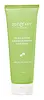
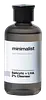
This salicylic acid gel cleanser is formulated around Salicylic Acid to clear breakouts and unclog pores.
This salicylic acid gel cleanser is formulated around Salicylic Acid to clear breakouts and unclog pores.

What's inside
What's inside
 Key Ingredients
Benefits
Concerns
Ingredients Side-by-side
Aloe Barbadensis Leaf Juice
Skin Conditioning


Cocamidopropyl Betaine
Cleansing



Decyl Glucoside
Cleansing
Disodium Cocoyl Glutamate
Cleansing
Butylene Glycol
Humectant
Salicylic Acid
Masking







Acrylates/C10-30 Alkyl Acrylate Crosspolymer
Emulsion StabilisingCentella Asiatica Extract
Cleansing

Camellia Sinensis Leaf Extract
Antimicrobial
Melaleuca Alternifolia Leaf Oil
Antioxidant


Zinc PCA
Humectant
Lactobacillus/Pear Juice Ferment Filtrate
Skin ConditioningPhellodendron Amurense Bark Extract
Skin ConditioningSalix Alba Bark Extract
Astringent
Rehmannia Chinensis Root Extract
Skin ConditioningMelia Azadirachta Leaf Extract
Skin ConditioningScutellaria Baicalensis Root Extract
Astringent
Houttuynia Cordata Extract
Skin Conditioning
Glycine Soja Seed Extract
Skin Conditioning
Mentha Piperita Oil
Masking
Sodium Hydroxide
BufferingPEG-40 Hydrogenated Castor Oil
Emulsifying
Camphor
Masking
Benzophenone-4
UV Absorber
Panthenol
Skin Conditioning
Xanthan Gum
EmulsifyingDisodium EDTA
ChelatingBenzyl Alcohol
Perfuming

Ethylhexylglycerin
Skin ConditioningTocopherol
Antioxidant
CI 19140
Cosmetic ColorantCI 42090
Cosmetic ColorantAloe Barbadensis Leaf Juice, Cocamidopropyl Betaine, Decyl Glucoside, Disodium Cocoyl Glutamate, Butylene Glycol, Salicylic Acid, Acrylates/C10-30 Alkyl Acrylate Crosspolymer, Centella Asiatica Extract, Camellia Sinensis Leaf Extract, Melaleuca Alternifolia Leaf Oil, Zinc PCA, Lactobacillus/Pear Juice Ferment Filtrate, Phellodendron Amurense Bark Extract, Salix Alba Bark Extract, Rehmannia Chinensis Root Extract, Melia Azadirachta Leaf Extract, Scutellaria Baicalensis Root Extract, Houttuynia Cordata Extract, Glycine Soja Seed Extract, Mentha Piperita Oil, Sodium Hydroxide, PEG-40 Hydrogenated Castor Oil, Camphor, Benzophenone-4, Panthenol, Xanthan Gum, Disodium EDTA, Benzyl Alcohol, Ethylhexylglycerin, Tocopherol, CI 19140, CI 42090
Water
Skin ConditioningGlycerin
Humectant
Cocamidopropyl Betaine
Cleansing
Propanediol
Solvent
Sodium Lauroyl Methyl Isethionate
CleansingXylitylglucoside
Humectant
Anhydroxylitol
Humectant
Xylitol
Humectant
PEG-150 Pentaerythrityl Tetrastearate
Emulsifying
PEG-120 Methyl Glucose Dioleate
Emulsifying
Salicylic Acid
Masking
Betaine
Humectant
Avena Sativa Kernel Extract
Abrasive
Pentylene Glycol
Skin Conditioning
Capryloyl Salicylic Acid
Exfoliating
Panthenol
Skin Conditioning
Allantoin
Skin Conditioning
Zinc PCA
Humectant
Sodium PCA
Humectant
Coco-Glucoside
Cleansing
Glyceryl Oleate
Emollient
Phenoxyethanol
Preservative
Ethylhexylglycerin
Skin ConditioningTrisodium Ethylenediamine Disuccinate
ChelatingLactic Acid
Buffering
Citric Acid
Buffering
Sodium Citrate
BufferingSodium Hydroxide
BufferingWater, Glycerin, Cocamidopropyl Betaine, Propanediol, Sodium Lauroyl Methyl Isethionate, Xylitylglucoside, Anhydroxylitol, Xylitol, PEG-150 Pentaerythrityl Tetrastearate, PEG-120 Methyl Glucose Dioleate, Salicylic Acid, Betaine, Avena Sativa Kernel Extract, Pentylene Glycol, Capryloyl Salicylic Acid, Panthenol, Allantoin, Zinc PCA, Sodium PCA, Coco-Glucoside, Glyceryl Oleate, Phenoxyethanol, Ethylhexylglycerin, Trisodium Ethylenediamine Disuccinate, Lactic Acid, Citric Acid, Sodium Citrate, Sodium Hydroxide
Ingredients Explained
These ingredients are found in both products.
Ingredients higher up in an ingredient list are typically present in a larger amount.
Cocamidopropyl Betaine is a fatty acid created by mixing similar compounds in coconut oil and dimethylaminopropylamine, a compound with two amino groups.
This ingredient is a surfactant and cleanser. It helps gather the dirt, pollutants, and other impurities in your skin to be washed away. It also helps thicken a product and make the texture more creamy.
Being created from coconut oil means Cocamidopropyl Betaine is hydrating for the skin.
While Cocamidopropyl Betaine was believed to be an allergen, a study from 2012 disproved this. It found two compounds in unpure Cocamidopropyl Betaine to be the irritants: aminoamide and 3-dimethylaminopropylamine. High-grade and pure Cocamidopropyl Betaine did not induce allergic reactions during this study.
Learn more about Cocamidopropyl BetaineEthylhexylglycerin is created from glycerin. It is a multitasker ingredient that:
The CIR Expert Panel found minimal skin absorption or sensitization of any kind in a safety assessment. Though this ingredient is considered well-tolerated, a small number of cases of allergic dermatitis have been published since 2002. Just be sure to patch test if you are unsure.
Industry-reported use ranges from 8% in rinse-off products and 2% in leave-on formulations.
Learn more about EthylhexylglycerinPanthenol is a common ingredient that helps hydrate and soothe the skin. It is found naturally in our skin and hair.
There are two forms of panthenol: D and L.
D-panthenol is also known as dexpanthenol. Most cosmetics use dexpanthenol or a mixture of D and L-panthenol.
Panthenol is famous due to its ability to go deeper into the skin's layers. Using this ingredient has numerous pros (and no cons):
Like hyaluronic acid, panthenol is a humectant. Humectants are able to bind and hold large amounts of water to keep skin hydrated.
This ingredient works well for wound healing. It works by increasing tissue in the wound and helps close open wounds.
Once oxidized, panthenol converts to pantothenic acid. Panthothenic acid is found in all living cells.
This ingredient is also referred to as pro-vitamin B5.
Learn more about PanthenolSalicylic Acid (also known as beta hydroxy acid or BHA) is a well-known ingredient for treating skin that struggles with acne and clogged pores. It exfoliates both the skin's surface and deep within the pores to help clear out buildup, control oil, and reduce inflammation.
Unlike AHAs (alpha hydroxy acids), salicylic acid is oil-soluble. This allows it to penetrate into pores which makes it especially effective for treating blackheads and preventing future breakouts.
Salicylic acid is also known for its soothing properties. It has a similar structure to aspirin and can calm inflamed or irritated skin, making it a good option for acne-prone skin that is also sensitive.
Concentrations of 0.5-2% are recognized by the U.S. FDA as an over-the-counter topical acne product.
It can cause irritation and/or dryness if one's skin already has a compromised moisture barrier, so it's best to focus on repairing that before introducing this ingredient into your routine.
While salicylic acid does not increase sun sensitivity, it’s still important to wear sunscreen daily to protect your skin.
If you are looking for the ingredient called BHA or Butylated Hydroxyanisole, click here.
Learn more about Salicylic AcidSodium Hydroxide is also known as lye or caustic soda. It is used to adjust the pH of products; many ingredients require a specific pH to be effective.
In small amounts, sodium hydroxide is considered safe to use. However, large amounts may cause chemical burns due to its high alkaline.
Your skin has a natural pH and acid mantle. This acid mantle helps prevent harmful bacteria from breaking through. The acid mantle also helps keep your skin hydrated.
"Alkaline" refers to a high pH level. A low pH level would be considered acidic.
Learn more about Sodium HydroxideZinc PCA is a clever two-in-one molecule: the zinc salt of pyrrolidone carboxylic acid (PCA).
Think of it as two useful things bonded together; the PCA half is one of your skin's own natural moisturizing factors (NMF) so it helps hold water in the upper layers. On the other hand, the zinc half does the heavy lifting on oil and bacteria.
The zinc part slows down an enzyme that turns testosterone into DHT, the hormone that tells your oil glands to pump out more sebum. Less of that signal means less oil. It also gently fights acne-causing bacteria and soothes redness/irritation.
This is why Zinc PCA often shows up in products for oily, breakout-prone skin and greasy scalps.
One lab study also hinted it might have a small anti-aging perk because it seemed to protect collagen from UVA damage and even helped the skin make a bit more of it. That last bit is still early research done in a dish and not real skin, so take it as a nice bonus rather than a promise for now.
As for scar healing, the picture is more "maybe" than a firm yes. Zinc itself plays a real role in wound repair because it is a cofactor for the enzymes involved in collagen building, calming inflammation, and helping new skin cells cover a wound. Lower zinc levels are also linked to slower healing.
Most of the scar healing research is on zinc oxide or oral zinc rather than zinc PCA specifically, with a focus on healing fresh wounds instead of scars that are already there.
Direct evidence that zinc PCA improves the look of established scars is still limited at this time. Though it would be fair to say zinc PCA supports the general skin-repair environment thanks to its zinc content .
This ingredient is water-soluble and plays nicely with other actives like niacinamide and salicylic acid. It works best at mildly acidic formulas (~4-6 pH) and is effective at low levels. Around 0.1% is enough to be active and finished products commonly use it anywhere up to 4%.
Overall, this is a well-tolerated, low-drama multitasker that suits oily and acne-prone skin.
Learn more about Zinc PCA

