Dot & Key Skincare Cica + 2% Salicylic Acid Skin Clearing Face Serum Versus Dot & Key Skincare Cica Clear Spot Correction Gel + 2% Salicylic
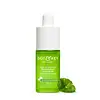
This acne serum is formulated around Salicylic Acid and Centella Asiatica Extract to clear breakouts and calm redness.
This acne treatment is formulated around Niacinamide and Salicylic Acid to clear breakouts and refine skin texture.

What's inside
What's inside
 Key Ingredients
Benefits
Concerns
Ingredients Side-by-side
Water
Skin ConditioningEthoxydiglycol
HumectantPropanediol
Solvent

Butylene Glycol
Humectant
Salicylic Acid
Masking










Glycine Soja Seed Extract
Skin Conditioning

Houttuynia Cordata Extract
Skin Conditioning
Scutellaria Baicalensis Root Extract
Astringent
Melia Azadirachta Leaf Extract
Skin ConditioningRehmannia Chinensis Root Extract
Skin ConditioningSalix Alba Bark Extract
Astringent
Phellodendron Amurense Bark Extract
Skin ConditioningLactobacillus/Pear Juice Ferment Filtrate
Skin ConditioningCentella Asiatica Extract
Cleansing

Zinc PCA
Humectant
Niacinamide
Smoothing
Sodium Hyaluronate
Humectant
Laminaria Digitata Extract
Skin Protecting
Hydrogenated Lecithin
Emulsifying
Cetyl-Pg Hydroxyethyl Palmitamide
Skin ConditioningCeramide EOP
Skin Conditioning
Ceramide Ns
Skin Conditioning
Ceramide NP
Skin Conditioning
Ceramide As
Skin Conditioning
Ceramide AP
Skin Conditioning
Cholesterol
Emollient
1,2-Hexanediol
Skin Conditioning
Gluconolactone
Chelating
Opuntia Ficus-Indica Stem Water
Skin ConditioningHamamelis Virginiana Extract
Antiseborrhoeic
Benzoic Acid
Masking
Artemisia Vulgaris Extract
Skin Conditioning
Xanthan Gum
EmulsifyingHydroxyethylcellulose
Emulsion StabilisingC18-22 Hydroxyalkyl Hydroxypropyl Guar
Skin ConditioningAllantoin
Skin Conditioning
Sodium Hydroxide
BufferingSodium Gluconate
ChelatingDisodium EDTA
ChelatingPhenoxyethanol
Preservative
Ethylhexylglycerin
Skin ConditioningCitric Acid
Buffering
Water, Ethoxydiglycol, Propanediol, Butylene Glycol, Salicylic Acid, Glycine Soja Seed Extract, Houttuynia Cordata Extract, Scutellaria Baicalensis Root Extract, Melia Azadirachta Leaf Extract, Rehmannia Chinensis Root Extract, Salix Alba Bark Extract, Phellodendron Amurense Bark Extract, Lactobacillus/Pear Juice Ferment Filtrate, Centella Asiatica Extract, Zinc PCA, Niacinamide, Sodium Hyaluronate, Laminaria Digitata Extract, Hydrogenated Lecithin, Cetyl-Pg Hydroxyethyl Palmitamide, Ceramide EOP, Ceramide Ns, Ceramide NP, Ceramide As, Ceramide AP, Cholesterol, 1,2-Hexanediol, Gluconolactone, Opuntia Ficus-Indica Stem Water, Hamamelis Virginiana Extract, Benzoic Acid, Artemisia Vulgaris Extract, Xanthan Gum, Hydroxyethylcellulose, C18-22 Hydroxyalkyl Hydroxypropyl Guar, Allantoin, Sodium Hydroxide, Sodium Gluconate, Disodium EDTA, Phenoxyethanol, Ethylhexylglycerin, Citric Acid
Water
Skin ConditioningNiacinamide
Smoothing
Salicylic Acid
Masking
Dextrin
AbsorbentPolydextrose
HumectantAmylopectin
Ethoxydiglycol
HumectantGlycerin
Humectant
Sodium Acrylates Copolymer
Lecithin
Emollient
Triethanolamine
BufferingPhenoxyethanol
Preservative
Ethylhexylglycerin
Skin ConditioningCentella Asiatica Extract
Cleansing
Glycolic Acid
Buffering
Acrylates/C10-30 Alkyl Acrylate Crosspolymer
Emulsion StabilisingDisodium EDTA
ChelatingIngredients Explained
These ingredients are found in both products.
Ingredients higher up in an ingredient list are typically present in a larger amount.
Centella Asiatica Extract (Centella) is one of the most researched botanical extracts in skincare with decades of studies backing its effects on inflammation, collagen, and the skin barrier.
That research keeps pointing back to the same four triterpenoid saponins: Asiaticoside, Madecassoside, Asiatic Acid, and Madecassic Acid.
These compounds allow centella to dial back inflammation, encourage the skin to build and hold onto collagen, support the barrier and hydration, and bring solid antioxidant activity to protect against signs of aging.
Centella also carries a nice supporting cast of Vitamin A, vitamin C, several B vitamins, and amino acids. Put it all together and you get an ingredient that soothes, hydrates, and protects, all at once.
Most of centella's magic comes from the four big compounds (Asiaticoside, Madecassoside, Asiatic Acid, and Madecassic Acid). These are the actives doing the heavy lifting in almost every centella study.
Here is the short version of what they do in the skin:
So it is not just soothing for the sake of soothing. Centella calms the skin AND helps it rebuild.
Just FYI, not all centella on an ingredient list is the same. What you are getting actually depends on the extract:
Fun fact on the ratios: the leaves tend to be richest in Madecassoside and Asiaticoside, and lower in the two acids. The exact amounts shift with where the plant is grown and how it is processed. This means purity really does vary brand to brand.
Centella is one of the most easygoing actives out there.
It layers well with basically everything: niacinamide, hyaluronic acid, peptides, and vitamin C, and also pairs nicely with stronger actives like retinoids and exfoliating acids where it can help take the edge off irritation.
On the safety side, centella and its triterpenes are classified as weak sensitizers, meaning allergic reactions are possible but uncommon.
Patch tests at 1% and 5% came back negative in test panels, and creams at typical use levels did not cause allergic reactions across large groups of people.
But as with any new active, a patch test is still a smart move for very reactive skin.
Centella is widely used because it is effective at low percentages. For context, human safety testing found no meaningful irritation from creams containing centella extract at everyday use levels (the tested amounts were well under 1%).
The irritancy threshold in animal testing was also above 30% (so real-world formulas sit far below anything concerning).
In collagen lab studies, higher concentrations drove more collagen synthesis, so serums built around centella tend to feature it more prominently.
Bottom line: you will find centella working nicely anywhere from a fraction of a percent up to hero-ingredient levels depending on whether it is a supporting soother or the main event.
Fun fact: Centella has been used as a medicine and in food for many centuries. As a medicine, it is used to treat burns, scratches, and wounds.
Learn more about Centella Asiatica ExtractDisodium EDTA is a chelating agent. It grabs onto and deactivates metal ions that sneak into your products from water, packaging, or air.
This ingredient mainly works behind the scenes and helps with:
On top of that, this ingredient can counteract the effects of hard water by binding to the minerals in it.
One thing worth knowing is that Disodium EDTA has been shown to be a mild penetration enhancer. It can help other ingredients absorb into skin more effectively which can be a double-edged sword (great for actives, but can also make the active too strong if you have sensitive skin).
Clinical patch testing showed no significant skin irritation at typical use concentrations and minimal dermal absorption.
You'll most likely see this ingredient near the end of an ingredient list. It's typically found in concentrations less than 1%.
Learn more about Disodium EDTAEthoxydiglycol (aka Diethylene Glycol Monoethyl Ether) is one of the cosmetic world's quiet problem solvers.
In a formula, it is a solvent that dissolves tricky ingredients that don't want to mix in and helps spread ingredients evenly across your skin without leaving a greasy or sticky feeling
This makes it great for hard-to-dissolve actives like vitamin C, benzoyl peroxide, and self-tanner DHA.
It also has mild humectant and penetration enhancer abilities so it can help some actives absorb a little deeper.
The penetration boost is backed by lab research: studies using human skin samples found it improved how well an active dissolves into the upper layer of skin rather than tearing down your skin barrier. Reviews of its mechanism also describe it interacting gently with the lipids and water in your outermost layer of skin.
Just know this penetration-enhancing effect is not universal. It helps a lot in some formulas and did very little in others (so the benefit really depends on the specific product).
Safety-wise, the evidence is reassuring. The Cosmetic Ingredient Review Expert Panel reviewed it and concluded it's safe for use in cosmetics and recognized it as non-irritating, non-sensitizing, and non-comedogenic in skincare.
Typical leave-on skincare usage lands around 1-10%. The EU has sets caps of 2.6% in non-spray products, 10% in rinse-offs, 7% in oxidative hair dye, and 5% in non-oxidative hair dye.
Learn more about EthoxydiglycolEthylhexylglycerin is created from glycerin. It is a multitasker ingredient that:
The CIR Expert Panel found minimal skin absorption or sensitization of any kind in a safety assessment. Though this ingredient is considered well-tolerated, a small number of cases of allergic dermatitis have been published since 2002. Just be sure to patch test if you are unsure.
Industry-reported use ranges from 8% in rinse-off products and 2% in leave-on formulations.
Learn more about EthylhexylglycerinNiacinamide is a multitasking form of vitamin B3 that strengthens the skin barrier, reduces pores and dark spots, regulates oil, and improves signs of aging.
And the best part? It's gentle and well-tolerated by most skin types, including sensitive and reactive skin.
You might have heard of "niacin flush", or the reddening of skin that causes itchiness. Niacinamide has not been found to cause this.
In very rare cases, some individuals may not be able to tolerate niacinamide at all or experience an allergic reaction to it.
If you are experiencing flaking, irritation, and dryness with this ingredient, be sure to double check all your products as this ingredient can be found in all categories of skincare.
When incorporating niacinamide into your routine, look out for concentration amounts. Typically, 5% niacinamide provides benefits such as fading dark spots. However, if you have sensitive skin, it is better to begin with a smaller concentration.
When you apply niacinamide to your skin, your body converts it into nicotinamide adenine dinucleotide (NAD). NAD is an essential coenzyme that is already found in your cells as "fuel" and powers countless biological processes.
In your skin, NAD helps repair cell damage, produce new healthy cells, support collagen production, strengthen the skin barrier, and fight environmental stressors (like UV and pollution).
Our natural NAD levels start to decline with age, leading to slower skin repair, visible aging, and a weaker skin barrier. By providing your skin niacinamide, you're recharging your skin's NAD levels. This leads to stronger, healthier, and younger looking skin.
Another name for vitamin B3 is nicotinamide. This vitamin is water-soluble and our bodies don't store it. We obtain Vitamin B3 from either food or skincare. Meat, fish, wheat, yeast, and leafy greens contain vitamin B3.
The type of niacinamide used in skincare is synthetically created.
Learn more about NiacinamidePhenoxyethanol is one of the most widely used preservatives in skincare (and for good reason!).
It has a large spectrum of antimicrobial activity and especially effective bacteria, yeast, and mold while only having a weak effect on your skin's natural microbiome.
On a cellular level, it disrupts the cell membranes of microbes by poking holes that make the cell leak. This shuts down the chemical reactions the microbe needs to make energy so it can no longer survive.
Another perk of this ingredient is that it stays functional across a wide pH range (3-10).
You'll often see it paired with boosters like Ethylhexylglycerin; one study showed that a 1:9 ratio of Ethylhexylglycerin to Phenoxyethanol damages bacterial membranes as effectively as doubling the Phenoxyethanol concentration on its own.
Typical use concentrations range from 0.3-1% depending on the formula, and this ingredient is capped at 1% int the EU.
Safety-wise, the fear mongering does not hold up to the evidence. The EU's Scientific Committee on Consumer Safety and FDA consider it safe as a preservative at up to 1%, including for children of all ages.
Adverse systemic effects only showed up in animal studies at exposures roughly 200x higher than what people get from cosmetics. And despite its very widespread use, this ingredient is a rare sensitizer and allergic reactions are uncommon.
Learn more about PhenoxyethanolSalicylic Acid (also known as beta hydroxy acid or BHA) is a well-known ingredient for treating skin that struggles with acne and clogged pores. It exfoliates both the skin's surface and deep within the pores to help clear out buildup, control oil, and reduce inflammation.
Unlike AHAs (alpha hydroxy acids), salicylic acid is oil-soluble. This allows it to penetrate into pores which makes it especially effective for treating blackheads and preventing future breakouts.
Salicylic acid is also known for its soothing properties. It has a similar structure to aspirin and can calm inflamed or irritated skin, making it a good option for acne-prone skin that is also sensitive.
Concentrations of 0.5-2% are recognized by the U.S. FDA as an over-the-counter topical acne product.
It can cause irritation and/or dryness if one's skin already has a compromised moisture barrier, so it's best to focus on repairing that before introducing this ingredient into your routine.
While salicylic acid does not increase sun sensitivity, it’s still important to wear sunscreen daily to protect your skin.
If you are looking for the ingredient called BHA or Butylated Hydroxyanisole, click here.
Learn more about Salicylic AcidWater. It's the most common cosmetic ingredient of all. You'll usually see it at the top of ingredient lists, meaning that it makes up the largest part of the product.
So why is it so popular? Water most often acts as a solvent - this means that it helps dissolve other ingredients into the formulation.
You'll also recognize water as that liquid we all need to stay alive. If you see this, drink a glass of water. Remember to stay hydrated!
Learn more about Water

