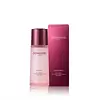
Donginbi Red Ginseng Activating Concentrated Softener Versus Donginbi Red Ginseng Power Repair Essential Softener
This calming essence is formulated around Panax Ginseng Root Water and Panax Ginseng Root Extract to calm redness and hydrate skin.
This calming essence is formulated around Panax Ginseng Root Water and Panax Ginseng Root Extract to calm redness and hydrate skin.

What's inside
What's inside
 Key Ingredients
Benefits
Concerns
Ingredients Side-by-side
Panax Ginseng Root Water
Masking

Butylene Glycol
Humectant

Propanediol
Solvent
Glycerin
Humectant
1,2-Hexanediol
Skin Conditioning
Water
Skin ConditioningHelianthus Annuus Seed Oil
Emollient


Panax Ginseng Root Extract
Emollient
Panax Ginseng Root Oil
Skin Conditioning
Lactobacillus Ferment Lysate
Skin Conditioning
Bifida Ferment Lysate
Skin Conditioning
Ginsenosides
Skin ConditioningPistacia Lentiscus Gum
MaskingSodium Hyaluronate
Humectant

Lactobacillus Ferment
Skin Conditioning
Portulaca Oleracea Extract
Skin Conditioning
Phenyl Trimethicone
Skin Conditioning
Centella Asiatica Extract
Cleansing
Polyglyceryl-10 Laurate
Skin Conditioning
Pentaerythrityl Tetraisostearate
Emollient
Tromethamine
BufferingPoncirus Trifoliata Fruit Extract
Skin ConditioningAcrylates/C10-30 Alkyl Acrylate Crosspolymer
Emulsion StabilisingPolyglycerin-3
Humectant
Xanthan Gum
EmulsifyingPhytosphingosine
Skin Conditioning
Ceramide NP
Skin Conditioning
Chamomilla Recutita Flower Extract
Masking
Vitex Agnus Castus Extract
AstringentCetyl Ethylhexanoate
EmollientEthylhexylglycerin
Skin ConditioningHydrogenated Lecithin
Emulsifying
Polyglyceryl-10 Myristate
Skin Conditioning
Carbomer
Emulsion StabilisingAdenosine
Skin Conditioning
Disodium EDTA
ChelatingGlyceryl Stearate
Emollient
Sodium Stearoyl Glutamate
CleansingTocopherol
Antioxidant



Candida Bombicola/Glucose/Methyl Rapeseedate Ferment
AntimicrobialParfum
Masking



Limonene
Perfuming
Linalool
Perfuming
Panax Ginseng Root Water, Butylene Glycol, Propanediol, Glycerin, 1,2-Hexanediol, Water, Helianthus Annuus Seed Oil, Panax Ginseng Root Extract, Panax Ginseng Root Oil, Lactobacillus Ferment Lysate, Bifida Ferment Lysate, Ginsenosides, Pistacia Lentiscus Gum, Sodium Hyaluronate, Lactobacillus Ferment, Portulaca Oleracea Extract, Phenyl Trimethicone, Centella Asiatica Extract, Polyglyceryl-10 Laurate, Pentaerythrityl Tetraisostearate, Tromethamine, Poncirus Trifoliata Fruit Extract, Acrylates/C10-30 Alkyl Acrylate Crosspolymer, Polyglycerin-3, Xanthan Gum, Phytosphingosine, Ceramide NP, Chamomilla Recutita Flower Extract, Vitex Agnus Castus Extract, Cetyl Ethylhexanoate, Ethylhexylglycerin, Hydrogenated Lecithin, Polyglyceryl-10 Myristate, Carbomer, Adenosine, Disodium EDTA, Glyceryl Stearate, Sodium Stearoyl Glutamate, Tocopherol, Candida Bombicola/Glucose/Methyl Rapeseedate Ferment, Parfum, Limonene, Linalool
Panax Ginseng Root Water
Masking
Propanediol
Solvent
Glycerin
Humectant
1,2-Hexanediol
Skin Conditioning
Betaine
Humectant
Cyclopentasiloxane
Emollient
Water
Skin ConditioningPanax Ginseng Root Oil
Skin Conditioning
Panax Ginseng Root Extract
Emollient
Ginsenosides
Skin ConditioningPoncirus Trifoliata Fruit Extract
Skin ConditioningAstragalus Membranaceus Root Extract
Emollient
Lycium Chinense Fruit Extract
Antioxidant
Lactobacillus/Soybean Ferment Extract
Skin ConditioningImperata Cylindrica Root Extract
Skin ConditioningGinkgo Biloba Leaf Extract
Skin Conditioning
Leonurus Sibiricus Flower/Leaf/Stem Extract
SoothingPanthenol
Skin Conditioning
Ceramide NP
Skin Conditioning
Butylene Glycol
Humectant
Tromethamine
BufferingAcrylates/C10-30 Alkyl Acrylate Crosspolymer
Emulsion StabilisingCarbomer
Emulsion StabilisingAlcohol
Antimicrobial

Disodium EDTA
ChelatingLecithin
Emollient
Caprylyl Glycol
Emollient
Dipotassium Glycyrrhizate
Humectant
Ethylhexylglycerin
Skin ConditioningEthyl Hexanediol
SolventParfum
Masking
Alpha-Isomethyl Ionone
Perfuming
Citronellol
Perfuming
Coumarin
Perfuming
Limonene
Perfuming
Linalool
Perfuming
Panax Ginseng Root Water, Propanediol, Glycerin, 1,2-Hexanediol, Betaine, Cyclopentasiloxane, Water, Panax Ginseng Root Oil, Panax Ginseng Root Extract, Ginsenosides, Poncirus Trifoliata Fruit Extract, Astragalus Membranaceus Root Extract, Lycium Chinense Fruit Extract, Lactobacillus/Soybean Ferment Extract, Imperata Cylindrica Root Extract, Ginkgo Biloba Leaf Extract, Leonurus Sibiricus Flower/Leaf/Stem Extract, Panthenol, Ceramide NP, Butylene Glycol, Tromethamine, Acrylates/C10-30 Alkyl Acrylate Crosspolymer, Carbomer, Alcohol, Disodium EDTA, Lecithin, Caprylyl Glycol, Dipotassium Glycyrrhizate, Ethylhexylglycerin, Ethyl Hexanediol, Parfum, Alpha-Isomethyl Ionone, Citronellol, Coumarin, Limonene, Linalool
Ingredients Explained
These ingredients are found in both products.
Ingredients higher up in an ingredient list are typically present in a larger amount.
1,2-Hexanediol is a synthetic liquid and another multi-functional powerhouse.
It is a:
- Humectant, drawing moisture into the skin
- Emollient, helping to soften skin
- Solvent, dispersing and stabilizing formulas
- Preservative booster, enhancing the antimicrobial activity of other preservatives
Acrylates/C10-30 Alkyl Acrylate Crosspolymer is a synthetic polymer. It is used to thicken, emulsify, and improve the texture of products.
As an emulsifier, it helps stabilize oil-in-water emulsions to give products an elegant feel when applied.
It can also form a thin protective film on skin. One study found that a formula using this polymer helped slow down how quickly other ingredients (like DEET) were absorbed through skin.
A 2024 study of over 1,300 patients confirmed that sensitization to this ingredient is rare. It is also non-mutagenic and has a clean track record.
Learn more about Acrylates/C10-30 Alkyl Acrylate CrosspolymerButylene Glycol (or BG) is used within cosmetic products for a few different reasons:
Overall, Butylene Glycol is a safe and well-rounded ingredient that works well with other ingredients.
Though this ingredient works well with most skin types, some people with sensitive skin may experience a reaction such as allergic rashes, closed comedones, or itchiness.
Learn more about Butylene GlycolCarbomer is a synthetic thickening and gelling agent. It's basically the ingredient that gives a lot of serums, gels, creams, and sunscreens their smooth, non-sticky texture.
Although legally permitted at very high levels, carbomers are normally used at concentrations below 1%.
It also needs to be neutralized to actually thicken, and because it is a large molecule, it doesn't really penetrate the skin barrier.
Allergy-wise, the risk is very low. Clinical studies show carbomers have low potential for skin irritation/sensitization even at concentrations up to 100%.
A 2024 UK study patch-tested 1,302 patients and found true allergy to the parent group of carbomer to be rare with no confirmed relevant reactions.
Learn more about CarbomerCeramide NP (formerly known as Ceramide 3) is one of the skin's naturally occurring lipids.
Since ceramides are the major lipid components of the skin, they are crucial for maintaining skin barrier and hydration. Ceramide NP most closely mirrors the dominant kind in human skin amongst ceramide subtypes.
This ceramide works by slotting into gaps within the stratum corneum's lipid matrix to limit trans-epidermal water loss (TEWL) and shield the skin against external irritants.
A study with 312 patients found that using a ceramide-containing routine for 4 weeks reduced the severity of atopic dermatitis by over 61%.
Another clinical study in subjects aged 60 and older found that a ceramide body wash and moisturizer improved skin dryness and itchy skin in 15 days.
Overall, ceramides are considered non-irritating and safety tests have found little to no observable adverse effects from using this ingredient.
Ceramide NP is usually sourced from plants (like soybean or rice bran), or produced synthetically.
Learn more about Ceramide NPDisodium EDTA is a chelating agent. It grabs onto and deactivates metal ions that sneak into your products from water, packaging, or air.
This ingredient mainly works behind the scenes and helps with:
On top of that, this ingredient can counteract the effects of hard water by binding to the minerals in it.
One thing worth knowing is that Disodium EDTA has been shown to be a mild penetration enhancer. It can help other ingredients absorb into skin more effectively which can be a double-edged sword (great for actives, but can also make the active too strong if you have sensitive skin).
Clinical patch testing showed no significant skin irritation at typical use concentrations and minimal dermal absorption.
You'll most likely see this ingredient near the end of an ingredient list. It's typically found in concentrations less than 1%.
Learn more about Disodium EDTAEthylhexylglycerin is created from glycerin. It is a multitasker ingredient that:
The CIR Expert Panel found minimal skin absorption or sensitization of any kind in a safety assessment. Though this ingredient is considered well-tolerated, a small number of cases of allergic dermatitis have been published since 2002. Just be sure to patch test if you are unsure.
Industry-reported use ranges from 8% in rinse-off products and 2% in leave-on formulations.
Learn more about EthylhexylglycerinWe don't have a description for Ginsenosides yet.
Glycerin (or glycerol) is a compound naturally found in your skin. It's a powerhouse humectant that pulls water into the stratum corneum.
Topically, glycerin does several things at once:
Your skin makes glycerin on its own (mostly from sebaceous oil breakdown) and shuttles it to your outermost layer of skin, or your epidermis, via aquaporin-3.
Aquaporin-3 is a transporter that is essential for normal skin hydration, elasticity, and repair. Interestingly, mice lacking in AQP3 have dry and less elastic skin that can be fully corrected with glycerin.
This ingredient is non-irritating, plays well with almost every ingredient, and works across all skin types. Typical use is anywhere between 3-10% but can go up to 79% in some leave-on products.
Just know very high concentrations (>40%) can feel tacky in low humidity.
Glycerin is the name for this ingredient in American English. British English uses Glycerol/Glycerine.
Learn more about GlycerinLimonene is the compound that gives citrus peel its smell.
In skincare, it shows up as a standalone fragrance ingredient or as a natural compound of citrus and other essential oils.
You'll typically see this ingredient used in very small amounts; anything above 0.001% in a leave-on product or 0.01% in a rinse-off has to be named on the label in the EU. The citrus oils that carry it sit around 0.5-1% in a finished formula.
Fresh limonene is a weak allergen; the real issue is that it slowly reacts with air and then breaks down from oxidation to create hydroperoxides (which are strong sensitizers). This is why suppliers are required to keep the peroxide value below 20 mmol.
Positive reactions in people being investigated for eczema vary:
It's worth skipping if you have a known fragrance allergy or a compromised barrier, but the risk is low for most people.
Older or long-opened products are also more likely to bother you than fresh ones due to oxidation.
Learn more about LimoneneLinalool is a small, naturally occurring scent molecule found in plants like lavender, coriander, bergamot, and more.
It is one of the two most-used fragrance ingredients in cosmetics and added purely for smell. Since it's not used for a skin benefit, there's no "effective dose". Concentration depends on the fragrance load of the product.
The EU requires it to be named on the label above 0.001% in leave-on and 0.01% in rinse-off products.
Fresh linalool is a weak sensitizer but air exposure turns some of it into hydroperoxides, which are strong sensitizers. Those oxidation products are the actual allergy concern.
Patch-test clinics see positive reactions to linalool hydroperoxides in about 4% to 12% of dermatitis patients depending on country and test concentration.
Resassuringly, one analytical study found hydroperoxide levels in real fragranced products to be orders of magnitude below what induced sensitization in animal studies with no evidence of oxidation building up during normal storage.
The practical takeaway is that linalool is fine for most people but worth avoiding if you have a confirmed fragrance contact allergy or a badly compromised barrier.
Products stored a long time after opening are also the high-risk scenario since that is when oxidation happens.
The scent of linalool is described as floral, spicy tropical, and citrus-like.
Learn more about LinaloolGinseng root is a well-loved ingredient in Asian skincare for good reason. It hydrates the skin, soothes irritation, and helps even out skin tone.
In traditional East Asian medicine, ginseng has been used for centuries both as food and as a healing remedy, and modern research continues to confirm its skin benefits.
One of the standout features of ginseng is its ability to improve blood circulation and oxygen delivery to the skin, bringing a fresh supply of nutrients to support overall skin health. It also has antioxidant and anti-inflammatory properties. This helps to protect your skin against damage from UV exposure, pollution, and daily stress.
Additionally, studies suggest that ginseng may help reduce hyperpigmentation by inhibiting tyrosinase, the enzyme involved in melanin production.
There are different types of ginseng used in skincare, and while they all share core benefits, their potency can vary.
Most products use fresh or white ginseng because it’s more affordable. However, red ginseng, produced by steaming the root, contains higher levels of ginsenosides, which are compounds with proven anti-aging effects. These ginsenosides help reduce the appearance of wrinkles and improve skin elasticity.
Note: All forms of ginseng are listed simply as “Panax ginseng” in ingredient lists. We recommend reaching out to the brand if you have questions about which type of ginseng is used in their ingredients.
For general antioxidant benefits, any ginseng extract will do, but for wrinkle care or firmer skin, red or fermented ginseng is often more effective.
In short, ginseng is a powerhouse ingredient that supports hydration, radiance, and resilience.
Learn more about Panax Ginseng Root ExtractPanax Ginseng Root Oil is an oil.
Panax Ginseng Root Water is created by distilling ginseng, popular herb from Asia.
According to a manufacturer, this ingredient has antioxidant and skin brightening properties.
Read more about the benefits of Panax Ginseng Root Extract.
Learn more about Panax Ginseng Root WaterParfum is a catch-all term for an ingredient or more that is used to give a scent to products.
Also called "fragrance", this ingredient can be a blend of hundreds of chemicals or plant oils. This means every product with "fragrance" or "parfum" in the ingredients list is a different mixture.
For instance, Habanolide is a proprietary trade name for a specific aroma chemical. When used as a fragrance ingredient in cosmetics, most aroma chemicals fall under the broad labeling category of “FRAGRANCE” or “PARFUM” according to EU and US regulations.
The term 'parfum' or 'fragrance' is not regulated in many countries. In many cases, it is up to the brand to define this term.
For instance, many brands choose to label themselves as "fragrance-free" because they are not using synthetic fragrances. However, their products may still contain ingredients such as essential oils that are considered a fragrance by INCI standards.
One example is Calendula flower extract. Calendula is an essential oil that still imparts a scent or 'fragrance'.
Depending on the blend, the ingredients in the mixture can cause allergies and sensitivities on the skin. Some ingredients that are known EU allergens include linalool and citronellol.
Parfum can also be used to mask or cover an unpleasant scent.
The bottom line is: not all fragrances/parfum/ingredients are created equally. If you are worried about fragrances, we recommend taking a closer look at an ingredient. And of course, we always recommend speaking with a professional.
Learn more about ParfumWe don't have a description for Poncirus Trifoliata Fruit Extract yet.
Propanediol is an all-star ingredient. It softens, hydrates, and smooths the skin.
It’s often used to:
Propanediol is not likely to cause sensitivity and considered safe to use. It is derived from corn or petroleum with a clear color and no scent.
Learn more about PropanediolTromethamine (aka THAM) is a synthetic amino acid that shows up in skincare as a helper ingredient.
It functions as a pH adjuster to help neutralize acidic ingredients and set a formula's pH to the right spot.
This matters a lot because a lot of actives (like vitamin C) needs a specific pH to work well and feel comfortable on skin.
Concentration use ranges from 0.1-1.0% depending on the formula.
Learn more about TromethamineWater. It's the most common cosmetic ingredient of all. You'll usually see it at the top of ingredient lists, meaning that it makes up the largest part of the product.
So why is it so popular? Water most often acts as a solvent - this means that it helps dissolve other ingredients into the formulation.
You'll also recognize water as that liquid we all need to stay alive. If you see this, drink a glass of water. Remember to stay hydrated!
Learn more about Water

