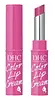
This lip moisturizer is formulated around Ricinus Communis Seed Oil and Simmondsia Chinensis Seed Oil to hydrate lips.
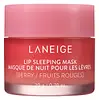
This hydrating lip mask is formulated around Butyrospermum Parkii Butter to hydrate lips and strengthen the lip barrier.


What's inside
What's inside
 Key Ingredients
Benefits
Concerns
Ingredients Side-by-side
Ricinus Communis Seed Oil
Masking




Euphorbia Cerifera Cera
Astringent
Simmondsia Chinensis Seed Oil
Emollient

Limnanthes Alba Seed Oil
Skin Conditioning
Octyldodecanol
Emollient
Cetyl Lactate
EmollientSucrose Hexaisostearate
EmollientDiisostearyl Malate
EmollientGlycol Distearate
Emollient
Orange Roughy Oil
Skin Conditioning
Paraffin
Skin Conditioning
Olea Europaea Fruit Oil
Masking

Tocotrienols
Skin Conditioning
Squalene
Emollient
Beeswax
Emulsion Stabilising
Lanolin
Emollient
Tocopherol
Antioxidant




Placental Extract
Ascorbyl Tetraisopalmitate
Antioxidant
Isostearoyl Hydrolyzed Collagen
Cleansing
Palmitoyl Tripeptide-1
Skin Conditioning

Portulaca Grandiflora Extract
Skin ConditioningPalmitoyl Tripeptide-38
Skin Conditioning
Sucrose Cocoate
Emulsifying

Hydrogenated Palm Oil
Emollient
Lanolin Acid
Cleansing
Hema Trimellitate Anhydride
Triethylamine
Emulsion StabilisingIsostearic Acid
Cleansing
Ethyl Stearate
Emollient
Sorbitan Isostearate
Emulsifying
Stearic Acid
Cleansing
Palmitic Acid
Emollient
Tribehenin
Emollient
Phenoxyethanol
Preservative
Titanium Dioxide
Cosmetic Colorant

CI 15850
Cosmetic ColorantCI 73360
Cosmetic ColorantCI 19140
Cosmetic ColorantCI 42090
Cosmetic ColorantRicinus Communis Seed Oil, Euphorbia Cerifera Cera, Simmondsia Chinensis Seed Oil, Limnanthes Alba Seed Oil, Octyldodecanol, Cetyl Lactate, Sucrose Hexaisostearate, Diisostearyl Malate, Glycol Distearate, Orange Roughy Oil, Paraffin, Olea Europaea Fruit Oil, Tocotrienols, Squalene, Beeswax, Lanolin, Tocopherol, Placental Extract, Ascorbyl Tetraisopalmitate, Isostearoyl Hydrolyzed Collagen, Palmitoyl Tripeptide-1, Portulaca Grandiflora Extract, Palmitoyl Tripeptide-38, Sucrose Cocoate, Hydrogenated Palm Oil, Lanolin Acid, Hema Trimellitate Anhydride, Triethylamine, Isostearic Acid, Ethyl Stearate, Sorbitan Isostearate, Stearic Acid, Palmitic Acid, Tribehenin, Phenoxyethanol, Titanium Dioxide, CI 15850, CI 73360, CI 19140, CI 42090
Diisostearyl Malate
EmollientHydrogenated Polyisobutene
EmollientPhytosteryl/Isostearyl/Cetyl/Stearyl/Behenyl Dimer Dilinoleate
Skin Conditioning
Hydrogenated Poly(C6-14 Olefin)
EmollientPolybutene
Cera Microcristallina
Emulsion StabilisingButyrospermum Parkii Butter
Skin Conditioning
Synthetic Wax
Abrasive
Ethylene/Propylene/Styrene Copolymer
Sucrose Tetrastearate Triacetate
Emollient
Mica
Cosmetic ColorantEuphorbia Cerifera Cera
Astringent
Candelilla Wax Esters
Astrocaryum Murumuru Seed Butter
Emollient
CI 77891
Cosmetic ColorantParfum
Masking
Glyceryl Caprylate
EmollientPolyglyceryl-2 Diisostearate
Emulsifying
Butylene/Ethylene/Styrene Copolymer
Copernicia Cerifera Cera
Emollient
Methicone
Emollient
Polyglyceryl-2 Triisostearate
Emulsifying
Cocos Nucifera Oil
Masking
CI 15985
Cosmetic ColorantPentaerythrityl Tetra-Di-T-Butyl Hydroxyhydrocinnamate
Antioxidant
CI 15850
Cosmetic ColorantAscorbic Acid
Antioxidant
Water
Skin ConditioningGlycerin
Humectant
Propanediol
Solvent
BHT
Antioxidant
Punica Granatum Fruit Juice
MaskingRubus Idaeus Juice
AstringentVitis Vinifera Juice
Antioxidant
Diisostearyl Malate, Hydrogenated Polyisobutene, Phytosteryl/Isostearyl/Cetyl/Stearyl/Behenyl Dimer Dilinoleate, Hydrogenated Poly(C6-14 Olefin), Polybutene, Cera Microcristallina, Butyrospermum Parkii Butter, Synthetic Wax, Ethylene/Propylene/Styrene Copolymer, Sucrose Tetrastearate Triacetate, Mica, Euphorbia Cerifera Cera, Candelilla Wax Esters, Astrocaryum Murumuru Seed Butter, CI 77891, Parfum, Glyceryl Caprylate, Polyglyceryl-2 Diisostearate, Butylene/Ethylene/Styrene Copolymer, Copernicia Cerifera Cera, Methicone, Polyglyceryl-2 Triisostearate, Cocos Nucifera Oil, CI 15985, Pentaerythrityl Tetra-Di-T-Butyl Hydroxyhydrocinnamate, CI 15850, Ascorbic Acid, Water, Glycerin, Propanediol, BHT, Punica Granatum Fruit Juice, Rubus Idaeus Juice, Vitis Vinifera Juice
Reviews
Alternatives
Ingredients Explained
These ingredients are found in both products.
Ingredients higher up in an ingredient list are typically present in a larger amount.
Ci 15850 is the pigment color red. It is an azo dye and created synthetically.
Azo dyes need to be thoroughly purified before use. This allows them to be more stable and longer-lasting.
This ingredient is common in foundations, lipsticks, and blushes. This color is described as brown/orangey red.
It has many secondary names such as Red 6 and Red 7. According to a manufacturer, Red 6 usually contains aluminum.
Learn more about CI 15850Diisostearyl Malate is an emollient and most often used in lip products. It comes from isostearyl alcohol, a fatty acid, and malic acid, an AHA.
As an emollient, Diisostearyl Malate helps create a thin film on your skin to trap moisture in. This helps keep your skin soft and smooth.
Euphorbia Cerifera Cera (aka candelilla wax) is a vegan stand-in for beeswax. It is a plant-derived wax that functions as an astringent, emulsion stabilizer, film-former, and skin conditioner.
On skin, it forms a protective barrier that helps lock in moisture while it enhances product stability, prevents separation, and helps color last longer in makeup.
This ingredient is generally safe for use in cosmetics with one nuance: some grades of candelilla wax can naturally contain benzyl alcohol at concentrations high enough to require declaration under EU labeling rules. This isn't a concern for most people but relevant for those with fragrance sensitivities.
Candelilla wax contains fatty acids (mainly C31) and wax esters that can be used by the Malassezia yeast, so this ingredient may not be fungal acne safe.
You might see Euphorbia Cerifera "Wax" instead of "cera". This is because some brands, databases, or labels use it interchangeably; they're the same ingredient.
Learn more about Euphorbia Cerifera Cera

