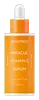
This brightening serum is formulated around Niacinamide and Hippophae Rhamnoides Fruit Extract to brighten dull-looking skin and fade the look of dark spots.
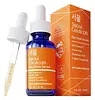
This brightening serum is formulated around Sodium Ascorbyl Phosphate and Tocopheryl Acetate to brighten dull-looking skin and fade the look of dark spots.


What's inside
What's inside
 Key Ingredients
Benefits
Concerns
Ingredients Side-by-side
Water
Skin ConditioningButylene Glycol
Humectant

Dipropylene Glycol
HumectantGlycerin
Humectant
Propanediol
Solvent
1,2-Hexanediol
Skin Conditioning
Niacinamide
Smoothing









Hippophae Rhamnoides Fruit Extract
Skin Conditioning
PPG-13-Decyltetradeceth-24
EmulsifyingCarbomer
Emulsion StabilisingTromethamine
BufferingMelia Azadirachta Flower Extract
Skin ConditioningOcimum Sanctum Leaf Extract
Skin ConditioningAdenosine
Skin Conditioning
Azadirachta Indica Leaf Extract
Skin ConditioningHyaluronic Acid
Humectant
Disodium EDTA
ChelatingCurcuma Longa Root Extract
Antioxidant

Rosmarinus Officinalis Leaf Oil
Masking
Coral Extract
Skin ConditioningGlyceryl Acrylate/Acrylic Acid Copolymer
HumectantPanthenol
Skin Conditioning
Pvm/Ma Copolymer
Emulsion StabilisingDextrin
AbsorbentTheobroma Cacao Extract
Skin ConditioningEthylhexylglycerin
Skin ConditioningAscorbic Acid
Antioxidant
Caprylyl Glycol
Emollient
Citrus Limon Fruit Extract
Masking
Terminalia Ferdinandiana Fruit Extract
Antioxidant
Cymbopogon Nardus Oil
Masking
Betula Platyphylla Japonica Juice
Skin Conditioning
Hydrogenated Lecithin
Emulsifying
Tocopherol
Antioxidant
Polyglyceryl-10 Stearate
Skin Conditioning

Lactococcus Ferment Extract
Skin ConditioningBifida Ferment Extract
Humectant
Lactobacillus Ferment Lysate
Skin Conditioning
Carica Papaya Fruit Extract
Skin ConditioningSodium Ascorbyl Phosphate
Antioxidant
Hydroxypropyl Cyclodextrin
MaskingGlutathione
Biotin
AntiseborrhoeicFolic Acid
Skin ConditioningPyridoxine
Skin ConditioningCyanocobalamin
Skin ConditioningLinoleic Acid
Cleansing
Riboflavin
Cosmetic ColorantBeta-Carotene
Skin ConditioningThiamine Hcl
MaskingWater, Butylene Glycol, Dipropylene Glycol, Glycerin, Propanediol, 1,2-Hexanediol, Niacinamide, Hippophae Rhamnoides Fruit Extract, PPG-13-Decyltetradeceth-24, Carbomer, Tromethamine, Melia Azadirachta Flower Extract, Ocimum Sanctum Leaf Extract, Adenosine, Azadirachta Indica Leaf Extract, Hyaluronic Acid, Disodium EDTA, Curcuma Longa Root Extract, Rosmarinus Officinalis Leaf Oil, Coral Extract, Glyceryl Acrylate/Acrylic Acid Copolymer, Panthenol, Pvm/Ma Copolymer, Dextrin, Theobroma Cacao Extract, Ethylhexylglycerin, Ascorbic Acid, Caprylyl Glycol, Citrus Limon Fruit Extract, Terminalia Ferdinandiana Fruit Extract, Cymbopogon Nardus Oil, Betula Platyphylla Japonica Juice, Hydrogenated Lecithin, Tocopherol, Polyglyceryl-10 Stearate, Lactococcus Ferment Extract, Bifida Ferment Extract, Lactobacillus Ferment Lysate, Carica Papaya Fruit Extract, Sodium Ascorbyl Phosphate, Hydroxypropyl Cyclodextrin, Glutathione, Biotin, Folic Acid, Pyridoxine, Cyanocobalamin, Linoleic Acid, Riboflavin, Beta-Carotene, Thiamine Hcl
Water
Skin ConditioningSodium Ascorbyl Phosphate
Antioxidant
Hamamelis Virginiana Extract
Antiseborrhoeic

Glycerin
Humectant
Aloe Barbadensis Leaf Powder
Skin Conditioning
Simmondsia Chinensis Seed Oil
Emollient
Panax Ginseng Root Extract
Emollient
Cassia Angustifolia Seed Polysaccharide
Skin ConditioningSodium Hyaluronate
Humectant
Citrus Aurantium Dulcis Callus Culture Extract
Skin ConditioningTocopheryl Acetate
Antioxidant
Xanthan Gum
EmulsifyingAcrylates/C10-30 Alkyl Acrylate Crosspolymer
Emulsion StabilisingHydroxyethylcellulose
Emulsion StabilisingFerulic Acid
Antimicrobial
Centella Asiatica Extract
Cleansing
Equisetum Arvense Extract
AstringentCamellia Sinensis Leaf Extract
Antimicrobial
Chamomilla Recutita Flower Extract
Masking
Sodium Hydroxide
BufferingDimethyl Sulfone
SolventAlcohol
Antimicrobial
Citric Acid
Buffering
Phenoxyethanol
Preservative
Sodium Benzoate
Masking
Ethylhexylglycerin
Skin ConditioningPotassium Sorbate
Preservative
Polysorbate 20
Emulsifying
Citrus Aurantium Dulcis Peel Oil
Masking
Citral
Perfuming
Linalool
Perfuming
Limonene
Perfuming
Citronellal
Masking
Water, Sodium Ascorbyl Phosphate, Hamamelis Virginiana Extract, Glycerin, Aloe Barbadensis Leaf Powder, Simmondsia Chinensis Seed Oil, Panax Ginseng Root Extract, Cassia Angustifolia Seed Polysaccharide, Sodium Hyaluronate, Citrus Aurantium Dulcis Callus Culture Extract, Tocopheryl Acetate, Xanthan Gum, Acrylates/C10-30 Alkyl Acrylate Crosspolymer, Hydroxyethylcellulose, Ferulic Acid, Centella Asiatica Extract, Equisetum Arvense Extract, Camellia Sinensis Leaf Extract, Chamomilla Recutita Flower Extract, Sodium Hydroxide, Dimethyl Sulfone, Alcohol, Citric Acid, Phenoxyethanol, Sodium Benzoate, Ethylhexylglycerin, Potassium Sorbate, Polysorbate 20, Citrus Aurantium Dulcis Peel Oil, Citral, Linalool, Limonene, Citronellal
Reviews
Ingredients Explained
These ingredients are found in both products.
Ingredients higher up in an ingredient list are typically present in a larger amount.
Ethylhexylglycerin is created from glycerin. It is a multitasker ingredient that:
The CIR Expert Panel found minimal skin absorption or sensitization of any kind in a safety assessment. Though this ingredient is considered well-tolerated, a small number of cases of allergic dermatitis have been published since 2002. Just be sure to patch test if you are unsure.
Industry-reported use ranges from 8% in rinse-off products and 2% in leave-on formulations.
Learn more about EthylhexylglycerinGlycerin (or glycerol) is a compound naturally found in your skin. It's a powerhouse humectant that pulls water into the stratum corneum.
Topically, glycerin does several things at once:
Your skin makes glycerin on its own (mostly from sebaceous oil breakdown) and shuttles it to your outermost layer of skin, or your epidermis, via aquaporin-3.
Aquaporin-3 is a transporter that is essential for normal skin hydration, elasticity, and repair. Interestingly, mice lacking in AQP3 have dry and less elastic skin that can be fully corrected with glycerin.
This ingredient is non-irritating, plays well with almost every ingredient, and works across all skin types. Typical use is anywhere between 3-10% but can go up to 79% in some leave-on products.
Just know very high concentrations (>40%) can feel tacky in low humidity.
Glycerin is the name for this ingredient in American English. British English uses Glycerol/Glycerine.
Learn more about GlycerinSodium Ascorbyl Phosphate (SAP) is a water-soluble form of Vitamin C. It is the salt of ascorbic acid.
This ingredient is commonly used in skincare because it's more formulation-stable while still offering the same benefits as pure ascorbic acid. Ascorbic acid is notorious for breaking down when exposed to sunlight and oxygen whereas SAP has been shown to be more stable.
Studies show SAP has anti-acne and antioxidant benefits. One study found 5% of SAP lotion to be an effective ingredient for treating acne vulgaris. This is because research shows that SAP may help control acne by reducing acne-causing bacteria and slowing the oxidation of skin oils caused by UV exposure.
In addition to acne, vitamin C is important for skin structure. Lab studies suggest SAP may support collagen production in skin cells, making it a great ingredient in anti-aging routines.
Vitamin C has many benefits: it helps reduce redness, improve skin texture, fade the appearance of dark spots, and brighten the skin.
Read more about other types of Vitamin C:
Learn more about Sodium Ascorbyl PhosphateWater. It's the most common cosmetic ingredient of all. You'll usually see it at the top of ingredient lists, meaning that it makes up the largest part of the product.
So why is it so popular? Water most often acts as a solvent - this means that it helps dissolve other ingredients into the formulation.
You'll also recognize water as that liquid we all need to stay alive. If you see this, drink a glass of water. Remember to stay hydrated!
Learn more about Water

