This mild gel cleanser is made to cleanse without leaving your skin tight or dry.
This gel cleanser uses mild cleansing ingredients, but contains alcohol that may feel drying for some.


What's inside
What's inside
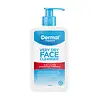 Key Ingredients
Benefits
Concerns
Ingredients Side-by-side
Water
Skin ConditioningGlycerin
Humectant


Cocamidopropyl Hydroxysultaine
Cleansing
Sorbitol
Humectant
Sodium Lauroyl Sarcosinate
CleansingSodium Lauroyl Methyl Isethionate
CleansingAcrylates Copolymer
Avena Sativa Kernel Flour
Abrasive

Sodium PCA
Humectant
Hydrolyzed Jojoba Esters
Skin Conditioning

Sodium Hyaluronate
Humectant


Sodium Lauroyl Lactylate
EmulsifyingCeramide NP
Skin Conditioning
Ceramide AP
Skin Conditioning
Ceramide EOP
Skin Conditioning
Carbomer
Emulsion StabilisingCholesterol
Emollient
Phytosphingosine
Skin Conditioning
Xanthan Gum
EmulsifyingEthylhexylglycerin
Skin ConditioningGuar Hydroxypropyltrimonium Chloride
Skin ConditioningCitric Acid
Buffering

Disodium EDTA
ChelatingHydroxyethyl Urea
Humectant
Styrene/Acrylates Copolymer
Hydroxyacetophenone
Antioxidant
Sodium Hydroxide
BufferingPhenoxyethanol
Preservative
Parfum
Masking



Water, Glycerin, Cocamidopropyl Hydroxysultaine, Sorbitol, Sodium Lauroyl Sarcosinate, Sodium Lauroyl Methyl Isethionate, Acrylates Copolymer, Avena Sativa Kernel Flour, Sodium PCA, Hydrolyzed Jojoba Esters, Sodium Hyaluronate, Sodium Lauroyl Lactylate, Ceramide NP, Ceramide AP, Ceramide EOP, Carbomer, Cholesterol, Phytosphingosine, Xanthan Gum, Ethylhexylglycerin, Guar Hydroxypropyltrimonium Chloride, Citric Acid, Disodium EDTA, Hydroxyethyl Urea, Styrene/Acrylates Copolymer, Hydroxyacetophenone, Sodium Hydroxide, Phenoxyethanol, Parfum
Water
Skin ConditioningPropanediol
Solvent
Glycerin
Humectant
Betaine
Humectant
Caprylyl/Capryl Glucoside
CleansingSodium Cocoyl Apple Amino Acids
Foam Boosting
Panthenol
Skin Conditioning
Sodium Hyaluronate
Humectant
Curcuma Longa Root Extract
Antioxidant
Tocopherol
Antioxidant

Lecithin
Emollient
Niacinamide
Smoothing



Phaeodactylum Tricornutum Extract
HumectantTetrasodium Glutamate Diacetate
ChelatingHexylene Glycol
EmulsifyingHydroxyethylcellulose
Emulsion StabilisingSodium Lauroyl Methyl Isethionate
CleansingTrisodium Ethylenediamine Disuccinate
ChelatingCellulose
Absorbent
Isopropyl Alcohol
Solvent

Decyl Alcohol
Emollient
Sodium Acetate
Buffering1,2-Hexanediol
Skin Conditioning
Caprylyl Glycol
Emollient
Citric Acid
Buffering
Hydroxyacetophenone
Antioxidant
Potassium Sorbate
Preservative
Sodium Benzoate
Masking
Water, Propanediol, Glycerin, Betaine, Caprylyl/Capryl Glucoside, Sodium Cocoyl Apple Amino Acids, Panthenol, Sodium Hyaluronate, Curcuma Longa Root Extract, Tocopherol, Lecithin, Niacinamide, Phaeodactylum Tricornutum Extract, Tetrasodium Glutamate Diacetate, Hexylene Glycol, Hydroxyethylcellulose, Sodium Lauroyl Methyl Isethionate, Trisodium Ethylenediamine Disuccinate, Cellulose, Isopropyl Alcohol, Decyl Alcohol, Sodium Acetate, 1,2-Hexanediol, Caprylyl Glycol, Citric Acid, Hydroxyacetophenone, Potassium Sorbate, Sodium Benzoate
Reviews
Ingredients Explained
These ingredients are found in both products.
Ingredients higher up in an ingredient list are typically present in a larger amount.
Citric Acid is an alpha hydroxy acid (AHA) naturally found in citrus fruits like oranges, lemons, and limes.
Like other AHAs, citric acid can exfoliate skin by breaking down the bonds that hold dead skin cells together. This helps reveal smoother and brighter skin underneath.
However, this exfoliating effect only happens at high concentrations (20%) which can be hard to find in cosmetic products.
Due to this, citric acid is usually included in small amounts as a pH adjuster. This helps keep products slightly more acidic and compatible with skin's natural pH.
In skincare formulas, citric acid can:
While it can provide some skin benefits, research shows lactic acid and glycolic acid are generally more effective and less irritating exfoliants.
Most citric acid used in skincare today is made by fermenting sugars (usually from molasses). This synthetic version is identical to the natural citrus form but easier to stabilize and use in formulations.
Rosacea skin has a lower threshold for acids generally, with 62.5% of rosacea subjects in one study reacting to lactic acid in a sting test. This is why we mark citric acid as a potential rosacea trigger.
However, this ingredient shows up as a pH adjuster or chelator at roughly 0.1-1% in many products. These low levels are unlikely to be an issue for rosacea skin and becomes a potential trigger at exfoliating concentrations (20%). Because everybody's skin is unique, we recommend a patch test if you are unsure.
Learn more about Citric AcidGlycerin (or glycerol) is a compound naturally found in your skin. It's a powerhouse humectant that pulls water into the stratum corneum.
Topically, glycerin does several things at once:
Your skin makes glycerin on its own (mostly from sebaceous oil breakdown) and shuttles it to your outermost layer of skin, or your epidermis, via aquaporin-3.
Aquaporin-3 is a transporter that is essential for normal skin hydration, elasticity, and repair. Interestingly, mice lacking in AQP3 have dry and less elastic skin that can be fully corrected with glycerin.
This ingredient is non-irritating, plays well with almost every ingredient, and works across all skin types. Typical use is anywhere between 3-10% but can go up to 79% in some leave-on products.
Just know very high concentrations (>40%) can feel tacky in low humidity.
Glycerin is the name for this ingredient in American English. British English uses Glycerol/Glycerine.
Learn more about GlycerinHydroxyacetophenone is a small phenolic molecule that earns its place in a formulas as an antioxidant and preservative booster.
As a phenol, it is able to neutralize free radicals to protect both the product and the skin from oxidative stress.
Though it can't kill microbes on its own, it works as a good supporting agent when combined with other preservatives like Phenoxyethanol or 1,2-Hexanediol.
This ingredient naturally occurs as piceol in Norwegian spruce needles (~0.4-1.1% dry weight and in cloudberries). Though the cosmetic-grade material is synthesized for purity and consistency.
You'll usually see it used at low levels and suppliers recommend up to 1% added to a water phase.
Safety testing was done at concentrations like 0.05% in SPF products and 0.5% in a Human Repeated Insult Patch Test. The safety evidence is assuring; this ingredient is safe for cosmetics in current use and also holds safety status as a food flavoring as well.
An honest caveat: the "soothing" and "anti-inflammatory" claims come mostly from supplier marketing rather than published clinical trials. The Cosmetic Ingredient Review's own literature search found no useful efficacy studies on this ingredient.
So the antioxidant and preservative-boosting roles are the well supported ones while the calming benefit is plausible but thinly evidenced.
Overall, this is a well-tolerated, low-irritation multitasker that quietly helps a formula stay fresh and stable.
Learn more about HydroxyacetophenoneSodium Hyaluronate is the salt form of hyaluronic acid. It is a long sugar chain that is naturally found in your skin, joints, and connective tissue that maintains hydration and elasticity.
In skincare, it works as a humectant. It pulls water from the environment and deeper layers of skin and binds it to the surface.
Interestingly, the size of the molecule affects its behavior:
Some clinical evidence links low molecular weight versions to improved wrinkle depth, elasticity, anti-inflammatory effects, and barrier repair.
Many serums use a blend of both weights so you can get surface hydration plus longer-lasting and deeper effects.
You'll typically see concentrations between 0.1-2% for this ingredient.
Learn more about Sodium HyaluronateSodium Lauroyl Methyl Isethionate is a gentle, sulfate-free cleansing agent. It's basically a mild "soap" molecule derived from coconut that makes a soft, cream foam and is very soluble in water.
Typical concentration use ranges from ~0.6-10% in rinse off products and only trace amounts (~0.009%) in leave on products.
The Cosmetic Ingredient Review Expert Panel has assessed it and concluded it to be safe as used at these concentrations when formulated to be non-irritating.
Allergy and sensitization risk is low and often when someone reacts to a cleanser it's due to the fragrance or preservatives rather than this ingredient itself.
Learn more about Sodium Lauroyl Methyl IsethionateWater. It's the most common cosmetic ingredient of all. You'll usually see it at the top of ingredient lists, meaning that it makes up the largest part of the product.
So why is it so popular? Water most often acts as a solvent - this means that it helps dissolve other ingredients into the formulation.
You'll also recognize water as that liquid we all need to stay alive. If you see this, drink a glass of water. Remember to stay hydrated!
Learn more about Water


