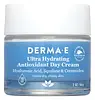
This anti-aging day moisturizer is formulated around Sodium Hyaluronate and Camellia Sinensis Leaf Extract to soften the look of wrinkles and hydrate skin.
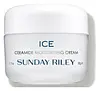
This barrier-repair moisturizer is formulated around Chondrus Crispus Extract and Squalane to strengthen the skin barrier and hydrate skin.

What's inside
What's inside
 Key Ingredients
Benefits
Concerns
Ingredients Side-by-side
Water
Skin ConditioningCaprylic/Capric Triglyceride
Masking


Cetyl Alcohol
Emollient


Stearic Acid
Cleansing
Glycerin
Humectant
Glyceryl Stearate Se
Emulsifying

Glyceryl Stearate Citrate
Emollient
Sodium Hyaluronate
Humectant


Camellia Sinensis Leaf Extract
Antimicrobial




Ascorbyl Palmitate
Antioxidant
Panthenol
Skin Conditioning
Tocopheryl Acetate
Antioxidant
Xanthan Gum
EmulsifyingRetinyl Palmitate
Skin Conditioning

Hamamelis Virginiana Extract
Antiseborrhoeic

Aloe Barbadensis Extract
Skin Conditioning
Simmondsia Chinensis Seed Oil
Emollient
Allantoin
Skin Conditioning
Diheptyl Succinate
EmollientCapryloyl Glycerin/Sebacic Acid Copolymer
Skin ConditioningPotassium Sorbate
Preservative
Phenoxyethanol
Preservative
Ethylhexylglycerin
Skin ConditioningParfum
Masking

Water, Caprylic/Capric Triglyceride, Cetyl Alcohol, Stearic Acid, Glycerin, Glyceryl Stearate Se, Glyceryl Stearate Citrate, Sodium Hyaluronate, Camellia Sinensis Leaf Extract, Ascorbyl Palmitate, Panthenol, Tocopheryl Acetate, Xanthan Gum, Retinyl Palmitate, Hamamelis Virginiana Extract, Aloe Barbadensis Extract, Simmondsia Chinensis Seed Oil, Allantoin, Diheptyl Succinate, Capryloyl Glycerin/Sebacic Acid Copolymer, Potassium Sorbate, Phenoxyethanol, Ethylhexylglycerin, Parfum
Water
Skin ConditioningChondrus Crispus Extract
Skin Conditioning
Squalane
Emollient
C13-15 Alkane
SolventGlycerin
Humectant
Helianthus Annuus Seed Wax
Skin Conditioning
Lanolin Alcohol
Emollient
Tri (Polyglyceryl-3/Lauryl) Hydrogenated Trilinoleate
EmulsifyingCocos Nucifera Fruit Extract
Emollient
Ceramide NP
Skin Conditioning
Ceramide EOP
Skin Conditioning
Ceramide AP
Skin Conditioning
Sodium Hyaluronate
Humectant
Prunus Amygdalus Dulcis Fruit Extract
Skin ConditioningFructooligosaccharides
Humectant
Beta Vulgaris Root Extract
Skin ConditioningShea Butter Ethyl Esters
Emollient
Prunus Armeniaca Fruit Extract
Skin ConditioningPimpinella Anisum Fruit Extract
MaskingRubus Idaeus Fruit Extract
AstringentVanilla Planifolia Fruit Extract
Skin Conditioning
Cucumis Melo Fruit Extract
Skin ConditioningPunica Granatum Sterols
Skin Conditioning
Rosa Damascena Flower Oil
Masking

Ananas Sativus Fruit Extract
Skin ConditioningCinnamomum Cassia Leaf Oil
Masking
Ricinus Communis Seed Oil
Masking
Helianthus Annuus Seed Oil
Emollient
Rhus Verniciflua Peel Wax
Sodium Lauroyl Lactylate
EmulsifyingSodium Polyacryloyldimethyl Taurate
Emulsion StabilisingTriethyl Citrate
Masking
Tapioca Starch
Maltol
MaskingPolyquaternium-80
CleansingSodium Phytate
Magnesium Stearate
Cosmetic ColorantMagnesium Aspartate
Skin ConditioningPentylene Glycol
Skin Conditioning
Tocopherol
Antioxidant
Phytosphingosine
Skin Conditioning
Cholesterol
Emollient
Lithothamnion Calcareum Extract
Skin ConditioningZinc Gluconate
Skin Conditioning

Copper Gluconate
Skin Conditioning
Phenoxyethanol
Preservative
Ethylhexylglycerin
Skin ConditioningPolymethylsilsesquioxane

Xanthan Gum
EmulsifyingCarbomer
Emulsion StabilisingAscorbyl Palmitate
Antioxidant
Pentaerythrityl Tetra-Di-T-Butyl Hydroxyhydrocinnamate
Antioxidant
Benzotriazolyl Dodecyl P-Cresol
UV AbsorberWater, Chondrus Crispus Extract, Squalane, C13-15 Alkane, Glycerin, Helianthus Annuus Seed Wax, Lanolin Alcohol, Tri (Polyglyceryl-3/Lauryl) Hydrogenated Trilinoleate, Cocos Nucifera Fruit Extract, Ceramide NP, Ceramide EOP, Ceramide AP, Sodium Hyaluronate, Prunus Amygdalus Dulcis Fruit Extract, Fructooligosaccharides, Beta Vulgaris Root Extract, Shea Butter Ethyl Esters, Prunus Armeniaca Fruit Extract, Pimpinella Anisum Fruit Extract, Rubus Idaeus Fruit Extract, Vanilla Planifolia Fruit Extract, Cucumis Melo Fruit Extract, Punica Granatum Sterols, Rosa Damascena Flower Oil, Ananas Sativus Fruit Extract, Cinnamomum Cassia Leaf Oil, Ricinus Communis Seed Oil, Helianthus Annuus Seed Oil, Rhus Verniciflua Peel Wax, Sodium Lauroyl Lactylate, Sodium Polyacryloyldimethyl Taurate, Triethyl Citrate, Tapioca Starch, Maltol, Polyquaternium-80, Sodium Phytate, Magnesium Stearate, Magnesium Aspartate, Pentylene Glycol, Tocopherol, Phytosphingosine, Cholesterol, Lithothamnion Calcareum Extract, Zinc Gluconate, Copper Gluconate, Phenoxyethanol, Ethylhexylglycerin, Polymethylsilsesquioxane, Xanthan Gum, Carbomer, Ascorbyl Palmitate, Pentaerythrityl Tetra-Di-T-Butyl Hydroxyhydrocinnamate, Benzotriazolyl Dodecyl P-Cresol
Reviews
Ingredients Explained
These ingredients are found in both products.
Ingredients higher up in an ingredient list are typically present in a larger amount.
Ascorbyl Palmitate is a fat-soluble form of vitamin C (Ascorbic Acid) made by combining it with palmitic acid.
It is able to blend easily into creams and oil-based formulas because it dissolves in oils rather than water.
As you may know, regular vitamin C is notorious for breaking down when exposed to sunlight and air. Ascorbyl Palmitate is more stable and degrades at a slower rate.
Research on whether it converts efficiently into active vitamin C once it's applied on your skin is still limited.
Some in-vitro studies suggest it may support collagen production, but it is not considered one of the stronger vitamin C derivatives, like:
Due to the palmitic acid base, this ingredient may not be fungal acne safe. Comedogenic studies have also shown this ingredient to have a rating of 2.
It's also worth keeping in mind that comedogenic and irritancy ratings are tested on individual ingredients, not finished formulas. The final product's formulation, concentration, and other ingredients all play a role in how something actually behaves on your skin.
Learn more about Ascorbyl PalmitateEthylhexylglycerin is created from glycerin. It is a multitasker ingredient that:
The CIR Expert Panel found minimal skin absorption or sensitization of any kind in a safety assessment. Though this ingredient is considered well-tolerated, a small number of cases of allergic dermatitis have been published since 2002. Just be sure to patch test if you are unsure.
Industry-reported use ranges from 8% in rinse-off products and 2% in leave-on formulations.
Learn more about EthylhexylglycerinGlycerin (or glycerol) is a compound naturally found in your skin. It's a powerhouse humectant that pulls water into the stratum corneum.
Topically, glycerin does several things at once:
Your skin makes glycerin on its own (mostly from sebaceous oil breakdown) and shuttles it to your outermost layer of skin, or your epidermis, via aquaporin-3.
Aquaporin-3 is a transporter that is essential for normal skin hydration, elasticity, and repair. Interestingly, mice lacking in AQP3 have dry and less elastic skin that can be fully corrected with glycerin.
This ingredient is non-irritating, plays well with almost every ingredient, and works across all skin types. Typical use is anywhere between 3-10% but can go up to 79% in some leave-on products.
Just know very high concentrations (>40%) can feel tacky in low humidity.
Glycerin is the name for this ingredient in American English. British English uses Glycerol/Glycerine.
Learn more about GlycerinPhenoxyethanol is one of the most widely used preservatives in skincare (and for good reason!).
It has a large spectrum of antimicrobial activity and especially effective bacteria, yeast, and mold while only having a weak effect on your skin's natural microbiome.
On a cellular level, it disrupts the cell membranes of microbes by poking holes that make the cell leak. This shuts down the chemical reactions the microbe needs to make energy so it can no longer survive.
Another perk of this ingredient is that it stays functional across a wide pH range (3-10).
You'll often see it paired with boosters like Ethylhexylglycerin; one study showed that a 1:9 ratio of Ethylhexylglycerin to Phenoxyethanol damages bacterial membranes as effectively as doubling the Phenoxyethanol concentration on its own.
Typical use concentrations range from 0.3-1% depending on the formula, and this ingredient is capped at 1% int the EU.
Safety-wise, the fear mongering does not hold up to the evidence. The EU's Scientific Committee on Consumer Safety and FDA consider it safe as a preservative at up to 1%, including for children of all ages.
Adverse systemic effects only showed up in animal studies at exposures roughly 200x higher than what people get from cosmetics. And despite its very widespread use, this ingredient is a rare sensitizer and allergic reactions are uncommon.
Learn more about PhenoxyethanolSodium Hyaluronate is the salt form of hyaluronic acid. It is a long sugar chain that is naturally found in your skin, joints, and connective tissue that maintains hydration and elasticity.
In skincare, it works as a humectant. It pulls water from the environment and deeper layers of skin and binds it to the surface.
Interestingly, the size of the molecule affects its behavior:
Some clinical evidence links low molecular weight versions to improved wrinkle depth, elasticity, anti-inflammatory effects, and barrier repair.
Many serums use a blend of both weights so you can get surface hydration plus longer-lasting and deeper effects.
You'll typically see concentrations between 0.1-2% for this ingredient.
Learn more about Sodium HyaluronateWater. It's the most common cosmetic ingredient of all. You'll usually see it at the top of ingredient lists, meaning that it makes up the largest part of the product.
So why is it so popular? Water most often acts as a solvent - this means that it helps dissolve other ingredients into the formulation.
You'll also recognize water as that liquid we all need to stay alive. If you see this, drink a glass of water. Remember to stay hydrated!
Learn more about WaterXanthan gum is used as a stabilizer and thickener within cosmetic products. It helps give products a sticky, thick feeling - preventing them from being too runny.
On the technical side of things, xanthan gum is a polysaccharide - a combination consisting of multiple sugar molecules bonded together.
Xanthan gum is a pretty common and great ingredient. It is a natural, non-toxic, non-irritating ingredient that is also commonly used in food products.
Learn more about Xanthan Gum

