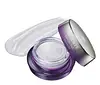
This barrier-repair lip moisturizer is formulated around Ceramide Ng and Hydrolyzed Hyaluronic Acid to strengthen the lip barrier and hydrate lips.
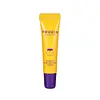
This lip moisturizer is formulated around Petrolatum and Honey Extract to hydrate lips.


What's inside
What's inside
 Key Ingredients
Benefits
Concerns
Ingredients Side-by-side
Paraffinum Liquidum
Emollient


Triethylhexanoin
MaskingHydrogenated Polyisobutene
EmollientDiisostearyl Malate
EmollientWater
Skin ConditioningPolyglyceryl-2 Triisostearate
Emulsifying

Paraffin
Skin Conditioning
Cera Microcristallina
Emulsion StabilisingLauryl Polyglyceryl-3 Polydimethylsiloxyethyl Dimethicone
Skin Conditioning
Butylene Glycol
Humectant

Polyglyceryl-2 Diisostearate
Emulsifying
Glycerin
Humectant
Silica Dimethyl Silylate
EmollientAloe Barbadensis Leaf Extract
Emollient

Betula Platyphylla Japonica Juice
Skin Conditioning
Butyrospermum Parkii Butter
Skin Conditioning

Ceramide Ng
Skin Conditioning

Hydrolyzed Hyaluronic Acid
Humectant
Oryzanol
Skin ConditioningPinus Sylvestris Cone Extract
Masking
Serine
Masking
Simmondsia Chinensis Seed Oil
Emollient
Tocopherol
Antioxidant



Tocopheryl Acetate
Antioxidant
BHT
Antioxidant
Dimethicone
Emollient
Disodium Succinate
MaskingHydrogenated Lecithin
Emulsifying
Phytosterols
Skin Conditioning
Squalane
Emollient
Succinic Acid
BufferingPhenoxyethanol
Preservative
Paraffinum Liquidum, Triethylhexanoin, Hydrogenated Polyisobutene, Diisostearyl Malate, Water, Polyglyceryl-2 Triisostearate, Paraffin, Cera Microcristallina, Lauryl Polyglyceryl-3 Polydimethylsiloxyethyl Dimethicone, Butylene Glycol, Polyglyceryl-2 Diisostearate, Glycerin, Silica Dimethyl Silylate, Aloe Barbadensis Leaf Extract, Betula Platyphylla Japonica Juice, Butyrospermum Parkii Butter, Ceramide Ng, Hydrolyzed Hyaluronic Acid, Oryzanol, Pinus Sylvestris Cone Extract, Serine, Simmondsia Chinensis Seed Oil, Tocopherol, Tocopheryl Acetate, BHT, Dimethicone, Disodium Succinate, Hydrogenated Lecithin, Phytosterols, Squalane, Succinic Acid, Phenoxyethanol
Paraffinum Liquidum
Emollient
Petrolatum
Emollient
Microcrystalline Wax
Emulsion StabilisingHydrogenated Castor Oil Dimer Dilinoleate
Skin Conditioning
Paraffin
Skin Conditioning
Beeswax
Emulsion Stabilising
Diisostearyl Malate
EmollientRicinus Communis Seed Oil
Masking
Silica Dimethyl Silylate
EmollientEthylene/Propylene/Styrene Copolymer
Glyceryl Caprylate
EmollientPhenoxyethanol
Preservative
Parfum
Masking
Water
Skin ConditioningButylene/Ethylene/Styrene Copolymer
Caprylic/Capric Triglyceride
Masking
Hydrogenated Polyisobutene
EmollientCoco-Caprylate/Caprate
Emollient
BHT
Antioxidant
Butylene Glycol
Humectant
Hydrolyzed Collagen
Emollient
Prunus Armeniaca Kernel Oil
Masking
Vitis Vinifera Seed Oil
Emollient
1,2-Hexanediol
Skin Conditioning
Glycerin
Humectant
Betaine
Humectant
Panthenol
Skin Conditioning
Ribes Nigrum Leaf Extract
Perfuming
Sodium Hyaluronate
Humectant
Citrus Paradisi Seed Oil
Perfuming
Ethyl Hexanediol
SolventHoney Extract
Humectant
Mangifera Indica Seed Oil
Emollient
Punica Granatum Seed Oil
Emollient
Solanum Lycopersicum Seed Oil
Emollient
Hydrogenated Lecithin
Emulsifying
Vaccinium Angustifolium Fruit Extract
Skin Protecting
Anemarrhena Asphodeloides Root Extract
Skin Conditioning
Tocopherol
Antioxidant
Selaginella Tamariscina Extract
Skin ConditioningGypsophila Paniculata Root Extract
Skin ConditioningPassiflora Incarnata Extract
AstringentAlbizia Julibrissin Bark Extract
MaskingPeucedanum Graveolens Extract
TonicPhytosterols
Skin Conditioning
Paraffinum Liquidum, Petrolatum, Microcrystalline Wax, Hydrogenated Castor Oil Dimer Dilinoleate, Paraffin, Beeswax, Diisostearyl Malate, Ricinus Communis Seed Oil, Silica Dimethyl Silylate, Ethylene/Propylene/Styrene Copolymer, Glyceryl Caprylate, Phenoxyethanol, Parfum, Water, Butylene/Ethylene/Styrene Copolymer, Caprylic/Capric Triglyceride, Hydrogenated Polyisobutene, Coco-Caprylate/Caprate, BHT, Butylene Glycol, Hydrolyzed Collagen, Prunus Armeniaca Kernel Oil, Vitis Vinifera Seed Oil, 1,2-Hexanediol, Glycerin, Betaine, Panthenol, Ribes Nigrum Leaf Extract, Sodium Hyaluronate, Citrus Paradisi Seed Oil, Ethyl Hexanediol, Honey Extract, Mangifera Indica Seed Oil, Punica Granatum Seed Oil, Solanum Lycopersicum Seed Oil, Hydrogenated Lecithin, Vaccinium Angustifolium Fruit Extract, Anemarrhena Asphodeloides Root Extract, Tocopherol, Selaginella Tamariscina Extract, Gypsophila Paniculata Root Extract, Passiflora Incarnata Extract, Albizia Julibrissin Bark Extract, Peucedanum Graveolens Extract, Phytosterols
Reviews
Ingredients Explained
These ingredients are found in both products.
Ingredients higher up in an ingredient list are typically present in a larger amount.
BHT is a synthetic antioxidant and preservative.
As an antioxidant, it helps your body fight off free-radicals. Free-radicals are molecules that may damage your skin cells.
As a preservative, it is used to stabilize products and prevent them from degrading. Specifically, BHT prevents degradation from oxidation.
The concerns related to BHT come from oral studies; this ingredient is currently allowed for use by both the FDA and EU.
However, it was recently restricted for use in the UK as of April 2024.
Learn more about BHTButylene Glycol (or BG) is used within cosmetic products for a few different reasons:
Overall, Butylene Glycol is a safe and well-rounded ingredient that works well with other ingredients.
Though this ingredient works well with most skin types, some people with sensitive skin may experience a reaction such as allergic rashes, closed comedones, or itchiness.
Learn more about Butylene GlycolDiisostearyl Malate is an emollient and most often used in lip products. It comes from isostearyl alcohol, a fatty acid, and malic acid, an AHA.
As an emollient, Diisostearyl Malate helps create a thin film on your skin to trap moisture in. This helps keep your skin soft and smooth.
Glycerin (or glycerol) is a compound naturally found in your skin. It's a powerhouse humectant that pulls water into the stratum corneum.
Topically, glycerin does several things at once:
Your skin makes glycerin on its own (mostly from sebaceous oil breakdown) and shuttles it to your outermost layer of skin, or your epidermis, via aquaporin-3.
Aquaporin-3 is a transporter that is essential for normal skin hydration, elasticity, and repair. Interestingly, mice lacking in AQP3 have dry and less elastic skin that can be fully corrected with glycerin.
This ingredient is non-irritating, plays well with almost every ingredient, and works across all skin types. Typical use is anywhere between 3-10% but can go up to 79% in some leave-on products.
Just know very high concentrations (>40%) can feel tacky in low humidity.
Glycerin is the name for this ingredient in American English. British English uses Glycerol/Glycerine.
Learn more about GlycerinHydrogenated Lecithin is a more stable version of lecithin.
It's made by taking lecithin (a phospholipid commonly found in soybeans and egg yolks) and hydrogenating it. This just means the unsaturated fatty acids are turned into saturated ones so they don't go bad as easily.
This ingredient is an emollient, emulsifier, and penetration enhancer. As an emollient, it helps soften and hydrate skin by trapping moisture within. As an emulsifier, it prevents oil and water ingredients from separating.
Hydrogenated Lecithin can form tiny spherical structures made of phospholipid bilayers called liposomes. These liposomes are able to capture compounds inside their structure and deliver them through the skin barrier.
Because phospholipids are a natural component of our cell membranes, this ingredient is inherently compatible with skin.
A 2021 study found lecithin-based surfactants were less harsh and more tolerable comared to Sodium Lauryl Sulfate (SLS).
Learn more about Hydrogenated LecithinHydrogenated Polyisobutene is a synthetic polymer. Polymers are compounds with high molecular weight. Hydrogenated Polyisobutene is an emollient and texture enhancer.
In one study, Hydrogenated Polyisobutene showed better skin hydration levels than Caprylic/Capric Triglyceride. As an emollient, it helps keep your skin soft and hydrated by trapping moisture in.
Hydrogenated Polyisobutene is often used as a mineral oil replacement.
Learn more about Hydrogenated PolyisobuteneParaffin is a solid wax that pulls its weight as an emollient, occlusive, and consistency-booster.
It softens skin and lays down a protective film to slow water loss and gives products a stable body and structure.
The cosmetic grade stuff is highly refined with a solid safety record. The CIR Expert Panel has repeatedly reaffirmed this ingredient to be safe in current practices of use and concentration.
The worry about carcinogenic compounds only applies to industrial grades, not the purified version used in skincare.
Despite its reputation, the highly reformed form is non-comedogenic and doesn't penetrate deeply into skin.
The good news for fungal-acne prone folks: the Malassezia yeast feeds on fatty acids and lipids and paraffin doesn't contain any of these (so there's nothing for the yeast to metabolize). This ingredient is considered fungal acne safe.
Learn more about ParaffinParaffinum Liquidum is a highly-refined cosmetic-grade mineral oil. It is also known as liquid paraffin.
Despite its controversial reputation, the science is pretty clear: it's one of the most well-studied and effective moisturizing ingredients out there.
As an occlusive, it forms a protective layer on the skin that locks in moisture and prevents transepidermal water loss (TEWL). This makes it especially great for compromised skin barriers.
The "it clogs your pores" myth has been around for decades; a study found that industrial-grade mineral oil may be comedogenic but cosmetic-grade mineral oil is not (these two are very, very different).
A 2017 review concluded that cosmetic use of mineral oils and waxes does not present a risk to consumers due to absorption.
Mineral oil got a bad rap from the old rabbit ear studies. When tested on actual human skin, cosmetic-grade mineral oil showed no comedogenic activity. The rating of 0 is a correction of outdated science.
Mineral oil is an inert substance with no fatty acids so there's nothing to feed Malassezia. This ingredient is fungal acne safe.
Learn more about Paraffinum LiquidumPhenoxyethanol is one of the most widely used preservatives in skincare (and for good reason!).
It has a large spectrum of antimicrobial activity and especially effective bacteria, yeast, and mold while only having a weak effect on your skin's natural microbiome.
On a cellular level, it disrupts the cell membranes of microbes by poking holes that make the cell leak. This shuts down the chemical reactions the microbe needs to make energy so it can no longer survive.
Another perk of this ingredient is that it stays functional across a wide pH range (3-10).
You'll often see it paired with boosters like Ethylhexylglycerin; one study showed that a 1:9 ratio of Ethylhexylglycerin to Phenoxyethanol damages bacterial membranes as effectively as doubling the Phenoxyethanol concentration on its own.
Typical use concentrations range from 0.3-1% depending on the formula, and this ingredient is capped at 1% int the EU.
Safety-wise, the fear mongering does not hold up to the evidence. The EU's Scientific Committee on Consumer Safety and FDA consider it safe as a preservative at up to 1%, including for children of all ages.
Adverse systemic effects only showed up in animal studies at exposures roughly 200x higher than what people get from cosmetics. And despite its very widespread use, this ingredient is a rare sensitizer and allergic reactions are uncommon.
Learn more about PhenoxyethanolPhytosterols are plant-derived sterols (you can think of them as the plant world's version of cholesterol). In cosmetics, this ingredient is usually sourced from soybean, rice bran, shea, sunflower, and other seed oils.
The main actors in this group are β-sitosterol, campesterol, and stigmasterol (the CIR covers 27 phytosterols).
They work by fitting perfectly into your stratum corneum's lipid matrix since they're structurally similar to cholesterol. Here, they reinforce your skin's barrier.
One small in vivo human study showed topical soybean phytosterols sped up barrier recovery within three days on tape-stripped skin.
Broader research credits them with:
Formulation use typically sit under 5%.
Testing in soy-allergic subjects found no sensitization signals, but be sure to patch test if you are unsure or have existing allergies.
Learn more about PhytosterolsThis silica is mainly used to thicken oils and suspend particles in oils. It is not water soluble.
According to the manufacturer, it:
The manufacturer also claims this ingredient to be useful in makeup.
In lipstick formulations, this ingredient improves color payoff, reduces pigment settling, and reduces oil bleeding. This ingredient also improves the grip of powder products such as dry shampoos.
Learn more about Silica Dimethyl SilylateTocopherol is a fat-soluble antioxidant known as Vitamin E.
You'll find this ingredient in the vast majority of skincare (for good reason). It works to neutralize free radicals, or unstable molecules generated by UV exposure, pollution, and other environmental stressors, before they can cause oxidative damage to your skin cells.
Topically applied tocopherol has been shown to protect against UV damage by ramping up the skin's own natural defense enzymes.
It also acts as a skin conditioning agent; some studies show that regular topical use can improve the skin's water-binding capacity over 2-4 weeks.
This ingredient is especially loved for being a team player. When combined with Vitamin C, the photoprotective effect of both ingredients roughly doubles and the combo also helps reduce UV-induced DNA damage.
This ingredient has some brightening potential but it's more of a prevention ingredient than spot-fader. Cell studies show it can slow down melanin production but it's worth noting that it's not the most powerful brightener out there.
In formulations, it also serves as a stabilizer that helps protect other oxidation-prone ingredients from degrading.
Concentrations usually range from 0.1-1% in most leave-on products.
Learn more about TocopherolWater. It's the most common cosmetic ingredient of all. You'll usually see it at the top of ingredient lists, meaning that it makes up the largest part of the product.
So why is it so popular? Water most often acts as a solvent - this means that it helps dissolve other ingredients into the formulation.
You'll also recognize water as that liquid we all need to stay alive. If you see this, drink a glass of water. Remember to stay hydrated!
Learn more about Water

