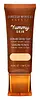
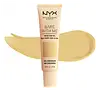
Danessa Myricks Beauty Yummy Skin Serum Skin Tint Versus NYX Cosmetics Bare With Me Tinted Skin Veil Lightweight BB Cream

What's inside
What's inside
 Key Ingredients
Benefits
Concerns
Ingredients Side-by-side
Water
Skin ConditioningGlycerin
Humectant


Isododecane
EmollientDimethicone
Emollient
Propylene Glycol
Humectant

Calcium Sodium Borosilicate
Caprylic/Capric Triglyceride
Masking
Hydrogenated Polyisobutene
EmollientSqualane
Emollient
Xylitylglucoside
Humectant
Anhydroxylitol
Humectant
Sr-Hydrozoan Polypeptide-1
Humectant
Sodium Hyaluronate
Humectant

Ceramide NP
Skin Conditioning

Phytosterols
Skin Conditioning
Opunta Dillenii Extract
Xylitol
Humectant
Caprylhydroxamic Acid
Saccharide Isomerate
Humectant
Sodium Stearoyl Glutamate
CleansingTocopheryl Acetate
Antioxidant


Stearalkonium Hectorite
Gel FormingPropylene Carbonate
SolventCoco-Caprylate/Caprate
Emollient
Glyceryl Stearate
Emollient
Betaine
Humectant
Magnesium Sulfate
Glyceryl Caprylate
EmollientPentylene Glycol
Skin Conditioning
Polyglyceryl-4 Diisostearate/Polyhydroxystearate/Sebacate
Emulsifying
Sorbitan Isostearate
Emulsifying
Butylene Glycol
Humectant
Phosphatidylcholine
EmulsifyingHydroxyacetophenone
Antioxidant
Ethylhexyl Hydroxystearate
Emollient
Cetyl PEG/PPG-10/1 Dimethicone
Emulsifying
Triethoxycaprylylsilane
Aluminum Hydroxide
EmollientPotassium Sorbate
Preservative
Phenoxyethanol
Preservative
CI 77163
Cosmetic Colorant
Titanium Dioxide
Cosmetic Colorant

Iron Oxides
Water, Glycerin, Isododecane, Dimethicone, Propylene Glycol, Calcium Sodium Borosilicate, Caprylic/Capric Triglyceride, Hydrogenated Polyisobutene, Squalane, Xylitylglucoside, Anhydroxylitol, Sr-Hydrozoan Polypeptide-1, Sodium Hyaluronate, Ceramide NP, Phytosterols, Opunta Dillenii Extract, Xylitol, Caprylhydroxamic Acid, Saccharide Isomerate, Sodium Stearoyl Glutamate, Tocopheryl Acetate, Stearalkonium Hectorite, Propylene Carbonate, Coco-Caprylate/Caprate, Glyceryl Stearate, Betaine, Magnesium Sulfate, Glyceryl Caprylate, Pentylene Glycol, Polyglyceryl-4 Diisostearate/Polyhydroxystearate/Sebacate, Sorbitan Isostearate, Butylene Glycol, Phosphatidylcholine, Hydroxyacetophenone, Ethylhexyl Hydroxystearate, Cetyl PEG/PPG-10/1 Dimethicone, Triethoxycaprylylsilane, Aluminum Hydroxide, Potassium Sorbate, Phenoxyethanol, CI 77163, Titanium Dioxide, Iron Oxides
Water
Skin ConditioningCyclopentasiloxane
Emollient
Propylene Glycol
Humectant
Glycerin
Humectant
Pentaerythrityl Tetraethylhexanoate
Emollient
Isododecane
EmollientTrimethylsiloxysilicate
Emollient
Caprylyl Methicone
Skin Conditioning
Polymethylsilsesquioxane
Vinyl Dimethicone/Methicone Silsesquioxane Crosspolymer

Bis-PEG/PPG-14/14 Dimethicone
Emollient
Propylene Carbonate
SolventDisteardimonium Hectorite
StabilisingSilica Dimethyl Silylate
EmollientMagnesium Sulfate
Cucumis Sativus Fruit Extract
Emollient
PEG-10 Dimethicone
Skin Conditioning
Bis-Isobutyl PEG/PPG-10/7/Dimethicone Copolymer
Emulsifying
Triethoxycaprylylsilane
Dimethicone
Emollient
Dimethiconol
Emollient
Aloe Barbadensis Leaf Juice Powder
Skin Conditioning
Maltodextrin
Absorbent
Ethylhexylglycerin
Skin ConditioningTocopherol
Antioxidant
Phenoxyethanol
Preservative
Iron Oxides
CI 77891
Cosmetic ColorantWater, Cyclopentasiloxane, Propylene Glycol, Glycerin, Pentaerythrityl Tetraethylhexanoate, Isododecane, Trimethylsiloxysilicate, Caprylyl Methicone, Polymethylsilsesquioxane, Vinyl Dimethicone/Methicone Silsesquioxane Crosspolymer, Bis-PEG/PPG-14/14 Dimethicone, Propylene Carbonate, Disteardimonium Hectorite, Silica Dimethyl Silylate, Magnesium Sulfate, Cucumis Sativus Fruit Extract, PEG-10 Dimethicone, Bis-Isobutyl PEG/PPG-10/7/Dimethicone Copolymer, Triethoxycaprylylsilane, Dimethicone, Dimethiconol, Aloe Barbadensis Leaf Juice Powder, Maltodextrin, Ethylhexylglycerin, Tocopherol, Phenoxyethanol, Iron Oxides, CI 77891
Reviews
Ingredients Explained
These ingredients are found in both products.
Ingredients higher up in an ingredient list are typically present in a larger amount.
Dimethicone is a type of synthetic silicone created from natural materials such as quartz. It is also known as polydimethylsiloxane.
What it does:
Dimethicone comes in different viscosities:
Depending on the viscosity, dimethicone has different properties.
Ingredients lists don't always show which type is used, so we recommend reaching out to the brand if you have questions about the viscosity.
This ingredient is unlikely to cause irritation because it does not get absorbed into skin. However, people with silicone allergies should be careful about using this ingredient.
Note: Dimethicone may contribute to pilling. This is because it is not oil or water soluble, so pilling may occur when layered with products. When mixed with heavy oils in a formula, the outcome is also quite greasy.
Learn more about DimethiconeGlycerin (or glycerol) is a compound naturally found in your skin. It's a powerhouse humectant that pulls water into the stratum corneum.
Topically, glycerin does several things at once:
Your skin makes glycerin on its own (mostly from sebaceous oil breakdown) and shuttles it to your outermost layer of skin, or your epidermis, via aquaporin-3.
Aquaporin-3 is a transporter that is essential for normal skin hydration, elasticity, and repair. Interestingly, mice lacking in AQP3 have dry and less elastic skin that can be fully corrected with glycerin.
This ingredient is non-irritating, plays well with almost every ingredient, and works across all skin types. Typical use is anywhere between 3-10% but can go up to 79% in some leave-on products.
Just know very high concentrations (>40%) can feel tacky in low humidity.
Glycerin is the name for this ingredient in American English. British English uses Glycerol/Glycerine.
Learn more about GlycerinIsododecane is a fragrance, emollient, and solvent.
As an emollient, it helps your skin stay soft and hydrated. Emollients help trap moisture into your skin.
Isododecane's role as a solvent makes it a great texture enhancer. It spreads smoothly on skin and does not leave a sticky feeling behind. Isododecane also helps prevent color transfer in makeup products.
Isododecane is not absorbed into skin.
The chemical name for this ingredient is 2,2,4,6,6-PENTAMETHYLHEPTANE.
Learn more about IsododecaneMagnesium Sulfate is a salt. More specifically, it is an epsom salt, or the bath salt used to help relieve muscle aches.
Despite having ‘sulfate’ in the name, it isn’t a surfactant or cleansing agent like sodium lauryl sulfate. Unlike those sulfates, magnesium sulfate doesn’t have the same cleansing or foaming properties (it's simply a type of salt).
In cosmetics, Magnesium Sulfate is used to thicken a product or help dilute other solids. It is a non-reactive and non-irritating ingredient.
One study shows magnesium deficiency may lead to inflammation of the skin. Applying magnesium topically may help reduce inflammation.
You can find this ingredient in sea water or mineral deposits.
Learn more about Magnesium SulfatePhenoxyethanol is a preservative that has germicide, antimicrobial, and aromatic properties. Studies show that phenoxyethanol can prevent microbial growth. By itself, it has a scent that is similar to that of a rose.
It's often used in formulations along with Caprylyl Glycol to preserve the shelf life of products.
This ingredient is a solvent. It helps dissolve active ingredients and alter the texture of products.
Propylene Carbonate is commonly used in makeup and with clay, such as montmorillonite or bentonite.
Studies show this ingredient to be safe for cosmetics. When it is undiluted, it can cause skin irritation. (It is always diluted in skincare and makeup). This ingredient is water-soluble.
Propylene Carbonate is created from propylene glycol and carbonic acid.
Learn more about Propylene CarbonatePropylene Glycol is a synthetic, colorless, odorless liquid that has been a staple in cosmetics for decades. It is a skin conditioning agent, humectant, and solvent.
As a humectant, it draw water to the skin to reduce flaking and restore suppleness. It's also a solvent that helps dissolve other actives and keeps formulas stable across temperature changes.
The CIR Expert Panel has confirmed this ingredient to be nontoxic and clinical studies show no sensitization at cosmetic use concentrations.
True allergic reactions are quite rare: a 15-year retrospective study of 6,751 patients found only 0.31% had a positive reaction (and less than half were considered clinically relevant).
It seemed that when sensitization does occur, it's most commonly linked to topical medication (like corticosteroids) and not cosmetics. Allergic contact dermatitis also appears largely limited to individuals with underlying skin conditions.
Overall, propylene glycol is a well-studied ingredient that most people can tolerate without issue.
Learn more about Propylene GlycolTriethoxycaprylylsilane is a silicon-based surface modifier that makes sunscreens feel silky and makeup stay put.
Its main job is to coat mineral particles like titanium dioxide, zinc oxide, and color pigments in a thin, oily layer so they spread smoothly, don't clump, and stick to skin better.
This ingredient is typically used at low levels (up to 2.5% in eyeshadow and 1% in lipstick).
Learn more about TriethoxycaprylylsilaneWater. It's the most common cosmetic ingredient of all. You'll usually see it at the top of ingredient lists, meaning that it makes up the largest part of the product.
So why is it so popular? Water most often acts as a solvent - this means that it helps dissolve other ingredients into the formulation.
You'll also recognize water as that liquid we all need to stay alive. If you see this, drink a glass of water. Remember to stay hydrated!
Learn more about WaterThis ingredient is a combination of red, black, and yellow iron oxide pigments. This combination of colors is usually found in foundation, because it results in a "skin" color.
The EU typically uses CI numbers for colorants when applicable, such as CI 77489. In the US, iron oxides are regulated as color additives and "iron oxides" is the most commonly used name in US cosmetic practice.
A 2021 paper looked at skincare formulations containing iron oxides and found that they reduced transmission of blue light when measured optically. In simple terms, the pigment particles helped block or scatter part of the visible light spectrum in lab testing and the authors suggest this could translate into better protection against blue-light-related skin effects.
There is also clinical and experimental research showing that tinted products containing iron oxides can reduce visible light-induced pigmentation:
Please note, whether a product reduces visible or blue light depends on things like:
In the EU's CosIng database, iron oxides are only listed as a colorant. CosIng groups ingredients by their main cosmetic role, such as colorant, preservative, or UV filter.
Though studies say iron oxides can "attenuate blue light", they're describing an optical property and not an officially recognized cosmetic function.
So CosIng isn’t contradicting the research. It’s just classifying iron oxides by what they officially are: pigments that add color.
Learn more about Iron Oxides
