Curel Intensive Moisture Care Makeup Cleansing Milk Versus JUMISO D-Panthenol Barrier Soothing Cleansing Milk
This mild cream makeup remover is made to dissolve makeup, sunscreen, and daily buildup.
This mild cream makeup remover is made to dissolve makeup, sunscreen, and daily buildup.


What's inside
What's inside
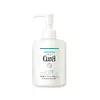 Key Ingredients
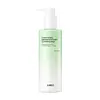
Benefits
Concerns
Ingredients Side-by-side
Water
Skin ConditioningButylene Glycol
Humectant

Dipropylene Glycol
HumectantGlycerin
Humectant
Dimethicone
Emollient
Neopentyl Glycol Dicaprate
EmollientHydrogenated Polyisobutene
EmollientPolysorbate 60
Emulsifying

Cetyl-Pg Hydroxyethyl Palmitamide
Skin ConditioningSorbitan Stearate
Emulsifying
Cetyl Alcohol
Emollient

Cholesterol
Emollient
Sodium Methyl Stearoyl Taurate
CleansingMethylparaben
Preservative



Stearyl Alcohol
Emollient
Cholesteryl Isostearate
EmollientCarbomer
Emulsion StabilisingDipotassium Glycyrrhizate
Humectant

Arginine
Masking
Eucalyptus Globulus Leaf Extract
Perfuming
Tocopherol
Antioxidant




Water, Butylene Glycol, Dipropylene Glycol, Glycerin, Dimethicone, Neopentyl Glycol Dicaprate, Hydrogenated Polyisobutene, Polysorbate 60, Cetyl-Pg Hydroxyethyl Palmitamide, Sorbitan Stearate, Cetyl Alcohol, Cholesterol, Sodium Methyl Stearoyl Taurate, Methylparaben, Stearyl Alcohol, Cholesteryl Isostearate, Carbomer, Dipotassium Glycyrrhizate, Arginine, Eucalyptus Globulus Leaf Extract, Tocopherol
Chamomilla Recutita Flower Water
MaskingWater
Skin ConditioningEthylhexyl Palmitate
Emollient

Caprylic/Capric Triglyceride
Masking
Glycerin
Humectant
Tripropylene Glycol
Antioxidant
1,2-Hexanediol
Skin Conditioning
Ammonium Acryloyldimethyltaurate/Vp Copolymer
Cetearyl Alcohol
Emollient
Glyceryl Stearate Se
Emulsifying
Polyglyceryl-3 Methylglucose Distearate
Emulsifying
Sorbitan Stearate
Emulsifying
Cetearyl Olivate
Coco-Glucoside
Cleansing
Sorbitan Olivate
Emulsifying
Arginine
Masking
Acrylates/C10-30 Alkyl Acrylate Crosspolymer
Emulsion StabilisingEthylhexylglycerin
Skin ConditioningLinum Usitatissimum Seed Oil
Perfuming
Panthenol
Skin Conditioning
Sucrose Cocoate
Emulsifying
Papain
Skin Conditioning
Sodium Gluconate
ChelatingCitric Acid
Buffering
Maltodextrin
Absorbent
Helianthus Annuus Seed Oil
Emollient
Simmondsia Chinensis Seed Oil
Emollient
Tocopherol
Antioxidant
Adenosine
Skin Conditioning
Sodium Guaiazulene Sulfonate
SurfactantCeramide NP
Skin Conditioning
2,3-Butanediol
HumectantHydrogenated Lecithin
Emulsifying
Glyceryl Stearate
Emollient
Cholesterol
Emollient
Ceramide As
Skin Conditioning
Ceramide AP
Skin Conditioning
Ceramide Ns
Skin Conditioning
Ceramide EOP
Skin Conditioning
Chamomilla Recutita Flower Water, Water, Ethylhexyl Palmitate, Caprylic/Capric Triglyceride, Glycerin, Tripropylene Glycol, 1,2-Hexanediol, Ammonium Acryloyldimethyltaurate/Vp Copolymer, Cetearyl Alcohol, Glyceryl Stearate Se, Polyglyceryl-3 Methylglucose Distearate, Sorbitan Stearate, Cetearyl Olivate, Coco-Glucoside, Sorbitan Olivate, Arginine, Acrylates/C10-30 Alkyl Acrylate Crosspolymer, Ethylhexylglycerin, Linum Usitatissimum Seed Oil, Panthenol, Sucrose Cocoate, Papain, Sodium Gluconate, Citric Acid, Maltodextrin, Helianthus Annuus Seed Oil, Simmondsia Chinensis Seed Oil, Tocopherol, Adenosine, Sodium Guaiazulene Sulfonate, Ceramide NP, 2,3-Butanediol, Hydrogenated Lecithin, Glyceryl Stearate, Cholesterol, Ceramide As, Ceramide AP, Ceramide Ns, Ceramide EOP
Reviews
Ingredients Explained
These ingredients are found in both products.
Ingredients higher up in an ingredient list are typically present in a larger amount.
Arginine is a semi-essential amino acid. This just means our bodies can product a bit on its own, but sometimes needs a little boost from food sources.
It is a part of your skin's natural moisturizing factor (NMF), or the water-loving molecules in your outermost layer of skin (stratum corneum) that keeps everything hydrated and happy.
Here's an interesting thing about Arginine: your skin converts it into urea through the Krebs-Henseleit urea cycle. Urea is one of the most effective humectants your skin naturally produces.
A clinical study showed applying 2.5% arginine hydrochloride to atopic dermatitis skin showed significant urea levels in the stratum corneum and improved moisture in just four weeks.
Arginine is also a precursor to nitric oxide; nitric oxide improves microcirculation and supports wound healing and collagen synthesis.
One study found that an amino acid complex containing Arginine reduced skin irritation, improved hydration, and accelerated skin repair in clinical / in-vivo studies.
Arginine itself is an amino acid and not a fatty acid, oil, or ester. On its own, it's not a direct food source for Malassezia, or the yeast that causes fungal acne.
Learn more about ArginineCholesterol is a lipid that is naturally found in human skin and is one of the three key components of your skin barrier. In skincare, it is an emollient and barrier-repairing ingredient.
It works by fitting directly into the lipid layers of skin to help restore structure and reduce transepidermal water loss (TEWL).
This is a great ingredient for dry, compromised, or aging skin; our skin starts to produce less cholesterol with age.
Research shows cholesterol works best in combination with ceramides and fatty acids, the other two major components in your skin barrier.
Cholesterol is also a well-establish penetration enhancer and can help other actives absorb more effectively.
Cosmetic-grade cholesterol is usually derived from lanolin but plant and synthetic options also exist. We recommend reaching out to the brand if you have questions about their source of cholesterol.
Learn more about CholesterolGlycerin (or glycerol) is a compound naturally found in your skin. It's a powerhouse humectant that pulls water into the stratum corneum.
Topically, glycerin does several things at once:
Your skin makes glycerin on its own (mostly from sebaceous oil breakdown) and shuttles it to your outermost layer of skin, or your epidermis, via aquaporin-3.
Aquaporin-3 is a transporter that is essential for normal skin hydration, elasticity, and repair. Interestingly, mice lacking in AQP3 have dry and less elastic skin that can be fully corrected with glycerin.
This ingredient is non-irritating, plays well with almost every ingredient, and works across all skin types. Typical use is anywhere between 3-10% but can go up to 79% in some leave-on products.
Just know very high concentrations (>40%) can feel tacky in low humidity.
Glycerin is the name for this ingredient in American English. British English uses Glycerol/Glycerine.
Learn more about GlycerinSorbitan Stearate is an emulsifier made by reacting sorbitol with stearic acid.
It's mostly used to keep oil and water mixed so your formulas stay smooth and stable.
The Cosmetic Ingredient Review has found 4% of this ingredient in repeat-insult patch tests on humans to be non-sensitizing. There is a caveat that some reactions have shown up in patients with damaged or diseased skin.
Because it is an ester of a C18 fatty acid, it falls into the C11-24 range that the Malassezia yeast can metabolize. This means this ingredient may not be fungal acne safe.
Learn more about Sorbitan StearateTocopherol is a fat-soluble antioxidant known as Vitamin E.
You'll find this ingredient in the vast majority of skincare (for good reason). It works to neutralize free radicals, or unstable molecules generated by UV exposure, pollution, and other environmental stressors, before they can cause oxidative damage to your skin cells.
Topically applied tocopherol has been shown to protect against UV damage by ramping up the skin's own natural defense enzymes.
It also acts as a skin conditioning agent; some studies show that regular topical use can improve the skin's water-binding capacity over 2-4 weeks.
This ingredient is especially loved for being a team player. When combined with Vitamin C, the photoprotective effect of both ingredients roughly doubles and the combo also helps reduce UV-induced DNA damage.
This ingredient has some brightening potential but it's more of a prevention ingredient than spot-fader. Cell studies show it can slow down melanin production but it's worth noting that it's not the most powerful brightener out there.
In formulations, it also serves as a stabilizer that helps protect other oxidation-prone ingredients from degrading.
Concentrations usually range from 0.1-1% in most leave-on products.
Learn more about TocopherolWater. It's the most common cosmetic ingredient of all. You'll usually see it at the top of ingredient lists, meaning that it makes up the largest part of the product.
So why is it so popular? Water most often acts as a solvent - this means that it helps dissolve other ingredients into the formulation.
You'll also recognize water as that liquid we all need to stay alive. If you see this, drink a glass of water. Remember to stay hydrated!
Learn more about Water

