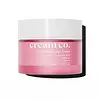
This anti-aging eye moisturizer is formulated around Caffeine and Dipeptide-2 to soften the look of wrinkles.
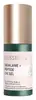
This anti-aging eye moisturizer is formulated around Squalane and Niacinamide to soften the look of wrinkles and hydrate skin.


What's inside
What's inside
 Key Ingredients
Benefits
Concerns
No concerns
Ingredients Side-by-side
Water
Skin ConditioningGlycerin
Humectant


Behenyl Alcohol
Emollient
Coco-Caprylate/Caprate
Emollient
Cetearyl Olivate


Propanediol
Solvent
Caprylic/Capric Triglyceride
Masking
Sorbitan Olivate
Emulsifying
Caffeine
Skin Conditioning

Beta-Glucan
Skin Conditioning
Panthenol
Skin Conditioning
Coffea Arabica Seed Extract
Masking
Bisabolol
Antioxidant
Butylene Glycol
Humectant
Ectoin
Skin Conditioning
Sodium Polyglutamate
HumectantSodium PCA
Humectant
Poria Cocos Sclerotium Extract
AstringentDipeptide-2
Skin Conditioning
Acetyl Tetrapeptide-5
Humectant
Ascorbyl Glucoside
Antioxidant

Humulus Lupulus Extract
AntimicrobialSodium Hyaluronate
Humectant
Hydrolyzed Glycosaminoglycans
HumectantSodium Hyaluronate Crosspolymer
Humectant
Hyaluronic Acid
Humectant
Hydrolyzed Hyaluronic Acid
Humectant
Pentylene Glycol
Skin Conditioning
Ammonium Acryloyldimethyltaurate/Vp Copolymer
Xanthan Gum
EmulsifyingLecithin
Emollient
Caprylyl Glycol
Emollient
Ethylhexylglycerin
Skin ConditioningPotassium Sorbate
Preservative
Sodium Benzoate
Masking
Sodium Hydroxide
BufferingCitric Acid
Buffering
Water, Glycerin, Behenyl Alcohol, Coco-Caprylate/Caprate, Cetearyl Olivate, Propanediol, Caprylic/Capric Triglyceride, Sorbitan Olivate, Caffeine, Beta-Glucan, Panthenol, Coffea Arabica Seed Extract, Bisabolol, Butylene Glycol, Ectoin, Sodium Polyglutamate, Sodium PCA, Poria Cocos Sclerotium Extract, Dipeptide-2, Acetyl Tetrapeptide-5, Ascorbyl Glucoside, Humulus Lupulus Extract, Sodium Hyaluronate, Hydrolyzed Glycosaminoglycans, Sodium Hyaluronate Crosspolymer, Hyaluronic Acid, Hydrolyzed Hyaluronic Acid, Pentylene Glycol, Ammonium Acryloyldimethyltaurate/Vp Copolymer, Xanthan Gum, Lecithin, Caprylyl Glycol, Ethylhexylglycerin, Potassium Sorbate, Sodium Benzoate, Sodium Hydroxide, Citric Acid
Water
Skin ConditioningAloe Barbadensis Leaf Juice
Skin Conditioning
Squalane
Emollient
Niacinamide
Smoothing





Glycerin
Humectant
Panthenol
Skin Conditioning
Chondrus Crispus Extract
Skin Conditioning
Malus Domestica Fruit Cell Culture Extract
Skin ConditioningAcetyl Tetrapeptide-5
Humectant
Acetyl Hexapeptide-8
Humectant
Tocopherol
Antioxidant
Pentylene Glycol
Skin Conditioning
Cucumis Sativus Fruit Extract
Emollient
Tetrahexyldecyl Ascorbate
Antioxidant
Camellia Sinensis Leaf Extract
Antimicrobial
Lycium Barbarum Fruit Extract
Astringent
Lycopene
Antioxidant
Vitis Vinifera Skin Extract
Antioxidant
Sodium Hyaluronate
Humectant
Caffeine
Skin Conditioning
Acacia Senegal Gum
MaskingDimethicone Crosspolymer
Emulsion Stabilising
Xanthan Gum
EmulsifyingCarbomer
Emulsion StabilisingEthyl Lauroyl Arginate Hcl
Skin ConditioningLecithin
Emollient
Ammonium Acryloyldimethyltaurate/Vp Copolymer
Silica
Abrasive
Phenoxyethanol
Preservative
Potassium Sorbate
Preservative
Citric Acid
Buffering
Caprylyl Glycol
Emollient
Water, Aloe Barbadensis Leaf Juice, Squalane, Niacinamide, Glycerin, Panthenol, Chondrus Crispus Extract, Malus Domestica Fruit Cell Culture Extract, Acetyl Tetrapeptide-5, Acetyl Hexapeptide-8, Tocopherol, Pentylene Glycol, Cucumis Sativus Fruit Extract, Tetrahexyldecyl Ascorbate, Camellia Sinensis Leaf Extract, Lycium Barbarum Fruit Extract, Lycopene, Vitis Vinifera Skin Extract, Sodium Hyaluronate, Caffeine, Acacia Senegal Gum, Dimethicone Crosspolymer, Xanthan Gum, Carbomer, Ethyl Lauroyl Arginate Hcl, Lecithin, Ammonium Acryloyldimethyltaurate/Vp Copolymer, Silica, Phenoxyethanol, Potassium Sorbate, Citric Acid, Caprylyl Glycol
Reviews
Ingredients Explained
These ingredients are found in both products.
Ingredients higher up in an ingredient list are typically present in a larger amount.
Acetyl Tetrapeptide-5 is a peptide that goes by another name, eyeseryl, due to claims that it can help reduce eye puffiness.
The manufacturer claims this ingredient reduces eye puffiness by:
An in-vivo study from the manufacturer found 95% of volunteers saw eye bag improvement by the end of the study.
Eye puffiness is caused by two major factors: fluid retention and fat.
Those with fluid retention may see improvement from using this ingredient. However, those with eye fat will need surgical intervention in order to get rid of puffiness.
Learn more about Acetyl Tetrapeptide-5Ammonium Acryloyldimethyltaurate/Vp Copolymer is a synthetically created polymer. It's used as a film-forming agent and used to thicken the consistency of products.
Think of it as a supportive ingredient that helps your gel-creams feel silky, "cloud cream-like", and spread evenly without being greasy.
The Cosmetic Ingredient Review (CIR) Expert Panel evaluated it (along with 22 other acryloyldimethyltaurate polymers) and concluded it's:
Due to its large molecular size, it sits on the surface of skin rather than penetrating it.
Learn more about Ammonium Acryloyldimethyltaurate/Vp CopolymerCaffeine is a naturally occurring plant compound found in coffee beans, tea leaves, cocoa pods, and guarana.
As an antioxidant, caffeine protects your skin from free radical damage caused by UV exposure and envionrmnetal stressors.
Early research also shows that caffeine can help calm redness, soothe irritated skin, and support hair growth by stimulating microcirculation in the scalp.
You might have seen eye creams marketing caffeine as a depuffing ingredient. This is because it is a vasoconstrictor meaning it can temporarily constrict blood vessels, though clinical evidence for this specific use is still limited.
Most skincare products contain this ingredient at concentrations between 1-6%. It is able to penetrate skin easily regardless of skin type or thickness.
Just so you know, a very small number of case reports describe caffeine-induced allergy. This ingredient is generally well-tolerated, non-irritating, and non-sensitizing for the majority of people.
Learn more about CaffeineCaprylyl Glycol is a humectant, skin conditioner, emollient, and preservative booster derived from either caprylic acid or synthetically created.
Typical use levels vary from 0.3-1% as a preservative booster and go up to 2% to condition skin.
Because it is not a free-fatty acid, this ingredient is fungal acne safe (there's nothing for Malassezia to feed on).
Learn more about Caprylyl GlycolCitric Acid is an alpha hydroxy acid (AHA) naturally found in citrus fruits like oranges, lemons, and limes.
Like other AHAs, citric acid can exfoliate skin by breaking down the bonds that hold dead skin cells together. This helps reveal smoother and brighter skin underneath.
However, this exfoliating effect only happens at high concentrations (20%) which can be hard to find in cosmetic products.
Due to this, citric acid is usually included in small amounts as a pH adjuster. This helps keep products slightly more acidic and compatible with skin's natural pH.
In skincare formulas, citric acid can:
While it can provide some skin benefits, research shows lactic acid and glycolic acid are generally more effective and less irritating exfoliants.
Most citric acid used in skincare today is made by fermenting sugars (usually from molasses). This synthetic version is identical to the natural citrus form but easier to stabilize and use in formulations.
Rosacea skin has a lower threshold for acids generally, with 62.5% of rosacea subjects in one study reacting to lactic acid in a sting test. This is why we mark citric acid as a potential rosacea trigger.
However, this ingredient shows up as a pH adjuster or chelator at roughly 0.1-1% in many products. These low levels are unlikely to be an issue for rosacea skin and becomes a potential trigger at exfoliating concentrations (20%). Because everybody's skin is unique, we recommend a patch test if you are unsure.
Learn more about Citric AcidGlycerin (or glycerol) is a compound naturally found in your skin. It's a powerhouse humectant that pulls water into the stratum corneum.
Topically, glycerin does several things at once:
Your skin makes glycerin on its own (mostly from sebaceous oil breakdown) and shuttles it to your outermost layer of skin, or your epidermis, via aquaporin-3.
Aquaporin-3 is a transporter that is essential for normal skin hydration, elasticity, and repair. Interestingly, mice lacking in AQP3 have dry and less elastic skin that can be fully corrected with glycerin.
This ingredient is non-irritating, plays well with almost every ingredient, and works across all skin types. Typical use is anywhere between 3-10% but can go up to 79% in some leave-on products.
Just know very high concentrations (>40%) can feel tacky in low humidity.
Glycerin is the name for this ingredient in American English. British English uses Glycerol/Glycerine.
Learn more about GlycerinLecithin is a term for a group of substances found in the cell membranes of plants, animals, and humans. They are made up of phospholipids.
Thanks to its amphiphilic structure (water-loving head and oil-loving tail), it is a true multitasker:
It plays well with most ingredients and is typically used at 0.1-1%. However, concentrations up to 50% have been reported in moisturizers.
Learn more about LecithinPanthenol is a common ingredient that helps hydrate and soothe the skin. It is found naturally in our skin and hair.
There are two forms of panthenol: D and L.
D-panthenol is also known as dexpanthenol. Most cosmetics use dexpanthenol or a mixture of D and L-panthenol.
Panthenol is famous due to its ability to go deeper into the skin's layers. Using this ingredient has numerous pros (and no cons):
Like hyaluronic acid, panthenol is a humectant. Humectants are able to bind and hold large amounts of water to keep skin hydrated.
This ingredient works well for wound healing. It works by increasing tissue in the wound and helps close open wounds.
Once oxidized, panthenol converts to pantothenic acid. Panthothenic acid is found in all living cells.
This ingredient is also referred to as pro-vitamin B5.
Learn more about PanthenolPentylene Glycol (1,2-pentanediol) is a multitasking little diol with three main roles in a formula:
Research on alkanediols (the family pentylene glycol belongs to) show they work by disrupting microbial cell membranes. This disruption helps the primary preservative system in a product work more effectively at lower doses.
On the safety side, the Cosmetic Ingredient Review Expert Panel has concluded this ingredient to be safe as used in current cosmetic practices + concentrations.
Typical use levels in a formula run about 1-5%.
Learn more about Pentylene GlycolPotassium Sorbate is a preservative used to prevent yeast and mold in products. It is commonly found in both cosmetic and food products.
This ingredient comes from potassium salt derived from sorbic acid. Sorbic acid is a natural antibiotic and effective against fungus.
Both potassium sorbate and sorbic acid can be found in baked goods, cheeses, dried meats, dried fruit, ice cream, pickles, wine, yogurt, and more.
You'll often find this ingredient used with other preservatives.
Learn more about Potassium SorbateSodium Hyaluronate is the salt form of hyaluronic acid. It is a long sugar chain that is naturally found in your skin, joints, and connective tissue that maintains hydration and elasticity.
In skincare, it works as a humectant. It pulls water from the environment and deeper layers of skin and binds it to the surface.
Interestingly, the size of the molecule affects its behavior:
Some clinical evidence links low molecular weight versions to improved wrinkle depth, elasticity, anti-inflammatory effects, and barrier repair.
Many serums use a blend of both weights so you can get surface hydration plus longer-lasting and deeper effects.
You'll typically see concentrations between 0.1-2% for this ingredient.
Learn more about Sodium HyaluronateWater. It's the most common cosmetic ingredient of all. You'll usually see it at the top of ingredient lists, meaning that it makes up the largest part of the product.
So why is it so popular? Water most often acts as a solvent - this means that it helps dissolve other ingredients into the formulation.
You'll also recognize water as that liquid we all need to stay alive. If you see this, drink a glass of water. Remember to stay hydrated!
Learn more about WaterXanthan gum is used as a stabilizer and thickener within cosmetic products. It helps give products a sticky, thick feeling - preventing them from being too runny.
On the technical side of things, xanthan gum is a polysaccharide - a combination consisting of multiple sugar molecules bonded together.
Xanthan gum is a pretty common and great ingredient. It is a natural, non-toxic, non-irritating ingredient that is also commonly used in food products.
Learn more about Xanthan Gum

