COSRX Ultimate Nourishing Rice Overnight Spa Mask Versus GLAMGLOW THIRSTYMUD™ Hydrating Treatment Mask
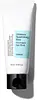
This hydrating overnight mask is formulated around Oryza Sativa Extract and Niacinamide to hydrate skin and brighten dull-looking skin.
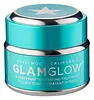
This wash off mask is made with Saccharide Isomerate and Sodium Hyaluronate for a rinse-off hydration boost.


What's inside
What's inside
 Key Ingredients
Benefits
Concerns
Ingredients Side-by-side
Oryza Sativa Extract
Absorbent



Butylene Glycol
Humectant
Glycerin
Humectant
Helianthus Annuus Seed Oil
Emollient


Betaine
Humectant
Niacinamide
Smoothing






Dimethicone
Emollient
1,2-Hexanediol
Skin Conditioning
Cetearyl Olivate
Sorbitan Olivate
Emulsifying
Elaeis Guineensis Oil
Emollient

Elaeis Guineensis Kernel Oil
Emollient
Hydroxyethyl Acrylate/Sodium Acryloyldimethyl Taurate Copolymer
Emulsion StabilisingCetearyl Alcohol
Emollient


Ethylhexylglycerin
Skin ConditioningArginine
Masking
Carbomer
Emulsion StabilisingAllantoin
Skin Conditioning
Xanthan Gum
EmulsifyingOryza Sativa Extract, Butylene Glycol, Glycerin, Helianthus Annuus Seed Oil, Betaine, Niacinamide, Dimethicone, 1,2-Hexanediol, Cetearyl Olivate, Sorbitan Olivate, Elaeis Guineensis Oil, Elaeis Guineensis Kernel Oil, Hydroxyethyl Acrylate/Sodium Acryloyldimethyl Taurate Copolymer, Cetearyl Alcohol, Ethylhexylglycerin, Arginine, Carbomer, Allantoin, Xanthan Gum
Water
Skin ConditioningCaprylic/Capric Triglyceride
Masking
Glycerin
Humectant
Butylene Glycol
Humectant
Cyclopentasiloxane
Emollient
Glyceryl Polymethacrylate
Pyrus Malus Fruit Extract
Skin Conditioning
PEG-8
HumectantGlyceryl Stearate
Emollient
PEG-100 Stearate
Surfactant
Cetearyl Alcohol
Emollient
Sodium Polyacryloyldimethyl Taurate
Emulsion StabilisingSaccharide Isomerate
Humectant
Caprylyl Glycol
Emollient
Olea Europaea Leaf Powder
Abrasive
Avena Sativa Bran Extract
Abrasive
Hydrogenated Polydecene
EmollientPolysorbate 60
Emulsifying
Cetyl Alcohol
Emollient
Zingiber Officinale Root Extract
Masking
Menthoxypropanediol
Masking
Mel
EmollientAminomethyl Propanol
BufferingCamellia Sinensis Leaf Powder
Acrylates/C10-30 Alkyl Acrylate Crosspolymer
Emulsion StabilisingEthylhexylglycerin
Skin ConditioningTocopheryl Acetate
Antioxidant

Allantoin
Skin Conditioning
Kaolin
Abrasive
Hexylene Glycol
EmulsifyingButeth-3
SolventTrideceth-10
CleansingBenzophenone-4
UV Absorber
Sodium Benzotriazolyl Butylphenol Sulfonate
UV AbsorberCocos Nucifera Fruit Extract
Emollient
Sodium Hyaluronate
Humectant
Alcohol
Antimicrobial

Tris(Tetramethylhydroxypiperidinol)Citrate
StabilisingParfum
Masking

Coumarin
Perfuming
Linalool
Perfuming
Tetrahexyldecyl Ascorbate
Antioxidant
Disodium EDTA
Sodium Benzoate
Masking
Potassium Sorbate
Preservative
Phenoxyethanol
Preservative
Water, Caprylic/Capric Triglyceride, Glycerin, Butylene Glycol, Cyclopentasiloxane, Glyceryl Polymethacrylate, Pyrus Malus Fruit Extract, PEG-8, Glyceryl Stearate, PEG-100 Stearate, Cetearyl Alcohol, Sodium Polyacryloyldimethyl Taurate, Saccharide Isomerate, Caprylyl Glycol, Olea Europaea Leaf Powder, Avena Sativa Bran Extract, Hydrogenated Polydecene, Polysorbate 60, Cetyl Alcohol, Zingiber Officinale Root Extract, Menthoxypropanediol, Mel, Aminomethyl Propanol, Camellia Sinensis Leaf Powder, Acrylates/C10-30 Alkyl Acrylate Crosspolymer, Ethylhexylglycerin, Tocopheryl Acetate, Allantoin, Kaolin, Hexylene Glycol, Buteth-3, Trideceth-10, Benzophenone-4, Sodium Benzotriazolyl Butylphenol Sulfonate, Cocos Nucifera Fruit Extract, Sodium Hyaluronate, Alcohol, Tris(Tetramethylhydroxypiperidinol)Citrate, Parfum, Coumarin, Linalool, Tetrahexyldecyl Ascorbate, Disodium EDTA, Sodium Benzoate, Potassium Sorbate, Phenoxyethanol
Reviews
Ingredients Explained
These ingredients are found in both products.
Ingredients higher up in an ingredient list are typically present in a larger amount.
Allantoin is a soothing ingredient known for its protective and moisturizing properties; it's basically a quiet workhorse ingredient you can find in a huge range of cosmetics.
Though it can be derived from the comfrey plant, allantoin is produced synthetically for cosmetic products to ensure purity.
Research shows it can encourage your skin cells to turn over and renew by stimulating keratinocyte and fibroblast proliferation.
It also has mild keratolytic properties to help loosen and shed dead skin cells without being harsh.
Studies also suggest allantoin can help calm inflammation by dialing down some of the chemical signals your skin sends out when it is irritated.
This ingredient is typically used in the 0.1-0.5% range, and the FDA recognizes it as a skin protectant in OTC products up to 2%.
Overall, allantoin is a wonderful addition to most routines; it is stable across a wide pH range (~4-8), works well with other ingredients, and is considered non-sensitizing/non-irritating.
Fun fact: Allantoin is naturally occurring in comfrey root, beets, chamomile, and wheat sprouts. Our bodies even produce it as a byproduct of uric acid metabolism.
Learn more about AllantoinButylene Glycol (or BG) is used within cosmetic products for a few different reasons:
Overall, Butylene Glycol is a safe and well-rounded ingredient that works well with other ingredients.
Though this ingredient works well with most skin types, some people with sensitive skin may experience a reaction such as allergic rashes, closed comedones, or itchiness.
Learn more about Butylene GlycolCetearyl alcohol is a waxy mixture of two fatty alcohols: cetyl alcohol and stearyl alcohol. It is an emollient and emulsifier.
Despite having "alcohol" in its name, it has nothing to do with drying solvent alcohols; the FDA also allows "alcohol-free" products to contain fatty alcohols like this ingredient.
It plays several roles in a formula:
Typical use levels for this ingredient sit around 1-10% and the Cosmetic Ingredient Review Expert Panel has affirmed safety at concentrations up to 25% in leave-on products.
Multiple assessments have found it to be non-irritating and non-sensitizing to most people.
However, there have been some cases of allergic contact dermatitis in patients with chronically compromised skin barriers.
Cetearyl alcohol has a comedogenic rating of 2 and irritancy rating of 1. Both of these numbers come from the 1989 study that used rabbit ears; a "2" means mildly comedogenic and a "1" means low irritancy.
Here's the catch: rabbit skin is more sensitive than human skin and throws a lot of false positives. A 1996 reappraisal found that ingredients rated 1-2 in the rabbit ear tests are generally safe for humans.
Remember comedogenic ratings are unable to assess the entire formula of a product or how it will react on your skin. Just be sure to patch test if you are unsure about certain ingredients.
This ingredient is not fungal acne safe. Cetearyl alcohol is a fatty alcohol with chain lengths that fall within the range that Malassezia can metabolize.
A 2019 study has also observed Malassezia growth in the presence of this ingredient, confirming it to be not-fungal acne safe.
Learn more about Cetearyl AlcoholEthylhexylglycerin is created from glycerin. It is a multitasker ingredient that:
The CIR Expert Panel found minimal skin absorption or sensitization of any kind in a safety assessment. Though this ingredient is considered well-tolerated, a small number of cases of allergic dermatitis have been published since 2002. Just be sure to patch test if you are unsure.
Industry-reported use ranges from 8% in rinse-off products and 2% in leave-on formulations.
Learn more about EthylhexylglycerinGlycerin (or glycerol) is a compound naturally found in your skin. It's a powerhouse humectant that pulls water into the stratum corneum.
Topically, glycerin does several things at once:
Your skin makes glycerin on its own (mostly from sebaceous oil breakdown) and shuttles it to your outermost layer of skin, or your epidermis, via aquaporin-3.
Aquaporin-3 is a transporter that is essential for normal skin hydration, elasticity, and repair. Interestingly, mice lacking in AQP3 have dry and less elastic skin that can be fully corrected with glycerin.
This ingredient is non-irritating, plays well with almost every ingredient, and works across all skin types. Typical use is anywhere between 3-10% but can go up to 79% in some leave-on products.
Just know very high concentrations (>40%) can feel tacky in low humidity.
Glycerin is the name for this ingredient in American English. British English uses Glycerol/Glycerine.
Learn more about Glycerin

