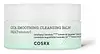
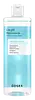
COSRX Pure Fit Cica Smoothing Cleansing Balm Versus COSRX Low pH Niacinamide Micellar Cleansing Water
This oil-based makeup remover is made to dissolve makeup, sunscreen, and daily buildup.
This mild micellar makeup remover is made to dissolve makeup, sunscreen, and daily buildup.

What's inside
What's inside
 Key Ingredients
Benefits
Concerns
No concerns
Ingredients Side-by-side
Ethylhexyl Palmitate
Emollient




Sorbeth-30 Tetraoleate
Emulsifying
Caprylic/Capric Triglyceride
Masking


Polyethylene
Abrasive
Lavandula Angustifolia Oil
Masking




Helianthus Annuus Seed Oil
Emollient
Eucalyptus Globulus Leaf Oil
Perfuming
Caprylyl Glycol
Emollient
Ethylhexylglycerin
Skin ConditioningAnthemis Nobilis Flower Oil
Masking
Avena Sativa Kernel Oil
Skin Conditioning
Butyrospermum Parkii Butter
Skin Conditioning
Cocos Nucifera Oil
Masking
Olea Europaea Fruit Oil
Masking
Oenothera Biennis Oil
Emollient
Persea Gratissima Oil
Skin Conditioning
Prunus Amygdalus Dulcis Oil
Skin Conditioning
Simmondsia Chinensis Seed Oil
Emollient
Water
Skin Conditioning1,2-Hexanediol
Skin Conditioning
Centella Asiatica Extract
Cleansing

Centella Asiatica Leaf Extract
Skin Conditioning
Centella Asiatica Root Extract
Skin Conditioning
Pinus Pinaster Bark Extract
Antioxidant
Asiaticoside
Antioxidant
Asiatic Acid
Skin Conditioning
Madecassoside
Antioxidant
Madecassic Acid
Skin Conditioning
Linalool
Perfuming
Limonene
Perfuming
Ethylhexyl Palmitate, Sorbeth-30 Tetraoleate, Caprylic/Capric Triglyceride, Polyethylene, Lavandula Angustifolia Oil, Helianthus Annuus Seed Oil, Eucalyptus Globulus Leaf Oil, Caprylyl Glycol, Ethylhexylglycerin, Anthemis Nobilis Flower Oil, Avena Sativa Kernel Oil, Butyrospermum Parkii Butter, Cocos Nucifera Oil, Olea Europaea Fruit Oil, Oenothera Biennis Oil, Persea Gratissima Oil, Prunus Amygdalus Dulcis Oil, Simmondsia Chinensis Seed Oil, Water, 1,2-Hexanediol, Centella Asiatica Extract, Centella Asiatica Leaf Extract, Centella Asiatica Root Extract, Pinus Pinaster Bark Extract, Asiaticoside, Asiatic Acid, Madecassoside, Madecassic Acid, Linalool, Limonene









Reviews
Ingredients Explained
These ingredients are found in both products.
Ingredients higher up in an ingredient list are typically present in a larger amount.
1,2-Hexanediol is a synthetic liquid and another multi-functional powerhouse.
It is a:
- Humectant, drawing moisture into the skin
- Emollient, helping to soften skin
- Solvent, dispersing and stabilizing formulas
- Preservative booster, enhancing the antimicrobial activity of other preservatives
Caprylyl Glycol is a humectant, skin conditioner, emollient, and preservative booster derived from either caprylic acid or synthetically created.
Typical use levels vary from 0.3-1% as a preservative booster and go up to 2% to condition skin.
Because it is not a free-fatty acid, this ingredient is fungal acne safe (there's nothing for Malassezia to feed on).
Learn more about Caprylyl GlycolEthylhexylglycerin is created from glycerin. It is a multitasker ingredient that:
The CIR Expert Panel found minimal skin absorption or sensitization of any kind in a safety assessment. Though this ingredient is considered well-tolerated, a small number of cases of allergic dermatitis have been published since 2002. Just be sure to patch test if you are unsure.
Industry-reported use ranges from 8% in rinse-off products and 2% in leave-on formulations.
Learn more about EthylhexylglycerinMadecassoside is one of four active compounds found in Centella asiatica and is one of the main reasons Centella is so effective at calming irritated skin and supporting the moisture barrier.
There's a solid body of peer-reviewed research backing Madecassoside for several skin benefits. Studies have found:
Madecassoside pairs well with other hydrating or antioxidant ingredients like Ascorbic Acid or Hyaluronic Acid.
Learn more about MadecassosideWater. It's the most common cosmetic ingredient of all. You'll usually see it at the top of ingredient lists, meaning that it makes up the largest part of the product.
So why is it so popular? Water most often acts as a solvent - this means that it helps dissolve other ingredients into the formulation.
You'll also recognize water as that liquid we all need to stay alive. If you see this, drink a glass of water. Remember to stay hydrated!
Learn more about Water

