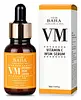
This brightening serum is formulated around Sodium Ascorbyl Phosphate and Aloe Barbadensis Leaf Extract to brighten dull-looking skin and calm redness.
This brightening serum is formulated around Niacinamide and Glutathione to fade the look of dark spots and brighten dull-looking skin.

What's inside
What's inside
 Key Ingredients
Benefits
Ingredients Side-by-side
Aloe Barbadensis Leaf Extract
Emollient


Propanediol
Solvent
Sodium Ascorbyl Phosphate
Antioxidant






Glycereth-26
Humectant
Dimethyl Sulfone
Solvent1,2-Hexanediol
Skin Conditioning
Betaine
Humectant
Hydrogenated Lecithin
Emulsifying
Tocopheryl Acetate
Antioxidant
Ferulic Acid
Antimicrobial
Allantoin
Skin Conditioning
Sodium Hyaluronate
Humectant
Dipotassium Glycyrrhizate
Humectant
Hydroxyethylcellulose
Emulsion StabilisingXanthan Gum
EmulsifyingCitric Acid
Buffering

Camellia Sinensis Leaf Extract
Antimicrobial
Sambucus Nigra Flower Extract
RefreshingMomordica Charantia Fruit Extract
Skin ConditioningLeontopodium Alpinum Extract
Skin ConditioningAloe Barbadensis Leaf Extract, Propanediol, Sodium Ascorbyl Phosphate, Glycereth-26, Dimethyl Sulfone, 1,2-Hexanediol, Betaine, Hydrogenated Lecithin, Tocopheryl Acetate, Ferulic Acid, Allantoin, Sodium Hyaluronate, Dipotassium Glycyrrhizate, Hydroxyethylcellulose, Xanthan Gum, Citric Acid, Camellia Sinensis Leaf Extract, Sambucus Nigra Flower Extract, Momordica Charantia Fruit Extract, Leontopodium Alpinum Extract
Water
Skin ConditioningButylene Glycol
Humectant
Niacinamide
Smoothing


1,2-Hexanediol
Skin Conditioning
Zea Mays Starch
Absorbent
Chondrus Crispus Extract
Skin Conditioning
Chlorella Vulgaris Extract
Skin ConditioningSaccharum Officinarum Extract
MoisturisingCentella Asiatica Leaf Extract
Skin Conditioning
Chitosan
Malus Domestica Fruit Cell Culture Extract
Skin ConditioningPolyacrylate Crosspolymer-6
Emulsion StabilisingBetaine
Humectant
Glucose
Humectant
Acrylates/C10-30 Alkyl Acrylate Crosspolymer
Emulsion StabilisingTromethamine
BufferingAcetyl Glucosamine
Skin Conditioning
Fructooligosaccharides
Humectant
Fructose
Humectant
Glycerin
Humectant
Pentylene Glycol
Skin Conditioning
Ethylhexylglycerin
Skin ConditioningAllantoin
Skin Conditioning
Dipropylene Glycol
HumectantAdenosine
Skin Conditioning
Glutathione
Madecassoside
Antioxidant
Hydroxypropyl Methylcellulose
Emulsion StabilisingHydrogenated Lecithin
Emulsifying
Beta-Glucan
Skin Conditioning
Cholesterol
Emollient
Asiaticoside
Antioxidant
Ascorbic Acid
Antioxidant
3-O-Ethyl Ascorbic Acid
Skin Conditioning
Ascorbyl Glucoside
Antioxidant
Ceramide NP
Skin Conditioning
Tocopherol
Antioxidant
Ferulic Acid
Antimicrobial
Lactic Acid
Buffering

Disodium EDTA
ChelatingCarbomer
Emulsion StabilisingCI 77491
Cosmetic ColorantWater, Butylene Glycol, Niacinamide, 1,2-Hexanediol, Zea Mays Starch, Chondrus Crispus Extract, Chlorella Vulgaris Extract, Saccharum Officinarum Extract, Centella Asiatica Leaf Extract, Chitosan, Malus Domestica Fruit Cell Culture Extract, Polyacrylate Crosspolymer-6, Betaine, Glucose, Acrylates/C10-30 Alkyl Acrylate Crosspolymer, Tromethamine, Acetyl Glucosamine, Fructooligosaccharides, Fructose, Glycerin, Pentylene Glycol, Ethylhexylglycerin, Allantoin, Dipropylene Glycol, Adenosine, Glutathione, Madecassoside, Hydroxypropyl Methylcellulose, Hydrogenated Lecithin, Beta-Glucan, Cholesterol, Asiaticoside, Ascorbic Acid, 3-O-Ethyl Ascorbic Acid, Ascorbyl Glucoside, Ceramide NP, Tocopherol, Ferulic Acid, Lactic Acid, Disodium EDTA, Carbomer, CI 77491
Reviews
Ingredients Explained
These ingredients are found in both products.
Ingredients higher up in an ingredient list are typically present in a larger amount.
1,2-Hexanediol is a synthetic liquid and another multi-functional powerhouse.
It is a:
- Humectant, drawing moisture into the skin
- Emollient, helping to soften skin
- Solvent, dispersing and stabilizing formulas
- Preservative booster, enhancing the antimicrobial activity of other preservatives
Allantoin is a soothing ingredient known for its protective and moisturizing properties; it's basically a quiet workhorse ingredient you can find in a huge range of cosmetics.
Though it can be derived from the comfrey plant, allantoin is produced synthetically for cosmetic products to ensure purity.
Research shows it can encourage your skin cells to turn over and renew by stimulating keratinocyte and fibroblast proliferation.
It also has mild keratolytic properties to help loosen and shed dead skin cells without being harsh.
Studies also suggest allantoin can help calm inflammation by dialing down some of the chemical signals your skin sends out when it is irritated.
This ingredient is typically used in the 0.1-0.5% range, and the FDA recognizes it as a skin protectant in OTC products up to 2%.
Overall, allantoin is a wonderful addition to most routines; it is stable across a wide pH range (~4-8), works well with other ingredients, and is considered non-sensitizing/non-irritating.
Fun fact: Allantoin is naturally occurring in comfrey root, beets, chamomile, and wheat sprouts. Our bodies even produce it as a byproduct of uric acid metabolism.
Learn more about AllantoinBetaine is a humectant. Like hyaluronic acid, it helps attract and retain moisture in the skin. It’s known for being gentle and for helping the skin maintain balanced hydration.
Betaine is mainly used to improve hydration and support calmer skin. It helps skin cells regulate water balance because it functions as an osmolyte.
Some studies suggest betaine may support making skin tone more even.
Fun fact: Betaine naturally exists in the skin and the body. In cosmetic products, it can be either plant-derived (most commonly from sugar beets) or synthetically produced for consistency and stability.
Betaine is also known as trimethylglycine.
Learn more about BetaineFerulic Acid is a plant based antioxidant that can be naturally found in the cell walls of grains like rice, oats, and corn. It has antioxidant and antimicrobial properties, and has the ability to boost the performance of other antioxidants as well.
A well-known study found that adding Ferulic Acid to a solution of Vitamins C and E doubled the photoprotection of skin. This is why you'll often see it paired with Vitamin C or Vitamin E serums rather than sold on its own.
A 2025 review of 18 human studies found that using Ferulic Acid (0.5-1%) daily for one to three months showed improvements in:
As far as allergies go, Ferulic acid is generally well-tolerated but can cause an allergic reaction in very rare cases. It's also worth noting that Ferulic acid is often extracted from plant sources like rice bran or wheat bran, so be sure to path test if you have known grain allergies.
Outside of skincare, researchers are also looking into Ferulic Acid for its potential benefits in areas like diabetes, Alzheimer's, and heart health.
Learn more about Ferulic AcidHydrogenated Lecithin is a more stable version of lecithin.
It's made by taking lecithin (a phospholipid commonly found in soybeans and egg yolks) and hydrogenating it. This just means the unsaturated fatty acids are turned into saturated ones so they don't go bad as easily.
This ingredient is an emollient, emulsifier, and penetration enhancer. As an emollient, it helps soften and hydrate skin by trapping moisture within. As an emulsifier, it prevents oil and water ingredients from separating.
Hydrogenated Lecithin can form tiny spherical structures made of phospholipid bilayers called liposomes. These liposomes are able to capture compounds inside their structure and deliver them through the skin barrier.
Because phospholipids are a natural component of our cell membranes, this ingredient is inherently compatible with skin.
A 2021 study found lecithin-based surfactants were less harsh and more tolerable comared to Sodium Lauryl Sulfate (SLS).
Learn more about Hydrogenated Lecithin

