Cos De BAHA Peptide Complex Facial Cream with Matrixyl 3000 & Argireline Versus IMAGE skincare Iluma Intense Brightening Serum
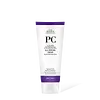
This anti-aging moisturizer is formulated around Acetyl Hexapeptide-8 and Palmitoyl Tetrapeptide-7 to soften the look of wrinkles.
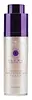
This brightening serum is formulated around Sodium Ascorbyl Phosphate and Arbutin to brighten dull-looking skin and fade the look of dark spots.


What's inside
What's inside
 Key Ingredients
Benefits
Concerns
Ingredients Side-by-side
Aloe Barbadensis Leaf Extract
Emollient


Propanediol
Solvent
Caprylic/Capric Triglyceride
Masking
Niacinamide
Smoothing








1,2-Hexanediol
Skin Conditioning
Cetearyl Olivate


Cetearyl Alcohol
Emollient



Glyceryl Stearate
Emollient
Sorbitan Olivate
Emulsifying
Panthenol
Skin Conditioning
Acetyl Hexapeptide-8
Humectant
Palmitoyl Tetrapeptide-7
Skin Conditioning
Palmitoyl Tripeptide-1
Skin Conditioning
Tocopheryl Acetate
Antioxidant

Butyrospermum Parkii Butter
Skin Conditioning
Argania Spinosa Kernel Oil
Emollient
Caffeine
Skin Conditioning
Allantoin
Skin Conditioning
Sodium Hyaluronate
Humectant
Dipotassium Glycyrrhizate
Humectant
Squalane
Emollient
Ceramide NP
Skin Conditioning
Adenosine
Skin Conditioning
Rosa Damascena Extract
MaskingLavandula Angustifolia Flower Extract
Cleansing

Camellia Sinensis Leaf Extract
Antimicrobial
Melissa Officinalis Leaf Extract
Skin ConditioningArtemisia Vulgaris Extract
Skin Conditioning
Sorbitan Isostearate
Emulsifying
Polysorbate 60
Emulsifying
Hydroxyethyl Acrylate/Sodium Acryloyldimethyl Taurate Copolymer
Emulsion StabilisingAloe Barbadensis Leaf Extract, Propanediol, Caprylic/Capric Triglyceride, Niacinamide, 1,2-Hexanediol, Cetearyl Olivate, Cetearyl Alcohol, Glyceryl Stearate, Sorbitan Olivate, Panthenol, Acetyl Hexapeptide-8, Palmitoyl Tetrapeptide-7, Palmitoyl Tripeptide-1, Tocopheryl Acetate, Butyrospermum Parkii Butter, Argania Spinosa Kernel Oil, Caffeine, Allantoin, Sodium Hyaluronate, Dipotassium Glycyrrhizate, Squalane, Ceramide NP, Adenosine, Rosa Damascena Extract, Lavandula Angustifolia Flower Extract, Camellia Sinensis Leaf Extract, Melissa Officinalis Leaf Extract, Artemisia Vulgaris Extract, Sorbitan Isostearate, Polysorbate 60, Hydroxyethyl Acrylate/Sodium Acryloyldimethyl Taurate Copolymer
Water
Skin ConditioningCitrus Unshiu Peel Extract
MaskingMelia Azadirachta Leaf Extract
Skin ConditioningAlgae Extract
EmollientArtemisia Vulgaris Extract
Skin Conditioning
Camellia Sinensis Leaf Extract
Antimicrobial
Sodium Ascorbyl Phosphate
Antioxidant
Arctostaphylos Uva Ursi Leaf Extract
Skin Conditioning
Dimethicone/Methicone Copolymer

Hexylresorcinol
Antimicrobial
Arbutin
Antioxidant
Azelaic Acid
Buffering
Sucrose Palmitate
EmollientPueraria Tuberosa Leaf Cell Extract
Antioxidant
Chlorella Vulgaris Extract
Skin ConditioningHydrolyzed Corallina Officinalis
Skin ConditioningMorus Alba Leaf Extract
Skin ConditioningCentella Asiatica Extract
Cleansing
Echinacea Purpurea Extract
MoisturisingRumex Occidentalis Extract
Skin ConditioningPhyllanthus Emblica Fruit Extract
HumectantGlycyrrhiza Glabra Root Extract
Bleaching
Anthemis Nobilis Flower Extract
Masking
Salix Nigra Bark Extract
Skin ProtectingTocopheryl Acetate
Antioxidant
Magnesium Ascorbyl Phosphate
Antioxidant
Dipotassium Glycyrrhizate
Humectant
Xanthan Gum
EmulsifyingPolysorbate 20
Emulsifying
Potassium Sorbate
Preservative
Disodium EDTA
Phenoxyethanol
Preservative
Ethylhexylglycerin
Skin ConditioningCitric Acid
Buffering
Sodium Polystyrene Sulfonate
Emulsion StabilisingWater, Citrus Unshiu Peel Extract, Melia Azadirachta Leaf Extract, Algae Extract, Artemisia Vulgaris Extract, Camellia Sinensis Leaf Extract, Sodium Ascorbyl Phosphate, Arctostaphylos Uva Ursi Leaf Extract, Dimethicone/Methicone Copolymer, Hexylresorcinol, Arbutin, Azelaic Acid, Sucrose Palmitate, Pueraria Tuberosa Leaf Cell Extract, Chlorella Vulgaris Extract, Hydrolyzed Corallina Officinalis, Morus Alba Leaf Extract, Centella Asiatica Extract, Echinacea Purpurea Extract, Rumex Occidentalis Extract, Phyllanthus Emblica Fruit Extract, Glycyrrhiza Glabra Root Extract, Anthemis Nobilis Flower Extract, Salix Nigra Bark Extract, Tocopheryl Acetate, Magnesium Ascorbyl Phosphate, Dipotassium Glycyrrhizate, Xanthan Gum, Polysorbate 20, Potassium Sorbate, Disodium EDTA, Phenoxyethanol, Ethylhexylglycerin, Citric Acid, Sodium Polystyrene Sulfonate
Ingredients Explained
These ingredients are found in both products.
Ingredients higher up in an ingredient list are typically present in a larger amount.
Artemisia Vulgaris Extract is more commonly known as the common mugwort. It has strong antioxidant properties and helps soothe irritation.
Antioxidants protect skin from damage and the signs of aging.
This plant contains the compounds saponins, glycosides, flavanoids, protein, triterpenoids.
The common wugwort has been used in traditional Indian, Chinese, and European medicines to treat gastrointestinal diseases.
Learn more about Artemisia Vulgaris ExtractCamellia Sinensis Leaf Extract (tea extract) is one of the most well-researched plant extracts in skincare with an impressive resume.
Black tea, green tea, and oolong tea are all harvested from the Camellia Sinensis plant.
Studies show green tea extract and its catechins (like epigallocatechin gallate (EGCG)) help your skin cells product energy more efficiently and reducing the number of free-radicals that can damage your skin from the inside.
In lab-grown skin models, this translated to younger, healthier, and stronger skin.
There's also good sun protection data; researchers saw less DNA damage and redness on human skin when green tea was applied before UVB exposure. And the more they applied, the better the protection.
Needless to say, this ingredient shouldn't replace your sunscreen. But it is a great supportive ingredient that you can already find in many sunscreens and antioxidant serums.
A 2009 study found a 2% green tea lotion was effective for mild-to-moderate acne thanks to its anti-inflammatory and mild antimicrobial activity.
The quality of the extract matters a lot here:
Good extracts contain 50-90% catechins while lower quality ones are mostly there for marketing. We recommend reaching out to the brand if you have questions about the quality or source of their ingredients.
Human Repeated Insult Patch Testing showed no irritation or sensitization at use concentrations (0.86% in leave-on products and up to 30% as leaf water).
Learn more about Camellia Sinensis Leaf ExtractDipotassium Glycyrrhizate comes from licorice root.
Extracts of licorice have demonstrated to have antibacterial, anti‐inflammatory, antiviral, antioxidant properties.
One component, glabridin, has extra potent antioxidant and soothing properties. It has also been found to block pigmentation from UVB rays in guinea pigs.
Licorice Root also contains a flavonoid. Flavonoids are a natural substance from in plants. Flavonoids also have antioxidant properties.
Another component, glycyrrhizin, has been found to have anti-inflammatory and antimicrobial benefits. This may make licorice root extract effective at treating acne. However, more research is needed to support this.
Liquiritin is one of the flavone compounds found in licorice. It has been found to help lighten skin by preventing tyrosinase from reacting with tyrosine. When the two react, protein is converted to melanin. Melanin is the substance in your body that gives your features pigmentation.
Licorice root is native to Southern Europe and Asia. It has been used in traditional Chinese medicine to help with respiratory issues.
Learn more about Dipotassium GlycyrrhizateTocopheryl Acetate is a stable, shelf-friendly form of vitamin E.
Formulators love it because plain vitamin E oxidizes quickly once it hits air. This acetate version stays stable and resists going off, helping to extend a product's shelf life.
It's actually inactive on its own and works like a slow-release "storage" form; the enzymes in your skin called esterases gradually convert it into active vitamin E over time.
One in vivo study showed 5% of the acetate in the living layer of the epidermis converted to vitamin E after 5 days of application. This study also found the skin gained protection against UV damage even though the conversion was slow and small.
Once converted, vitamin E acts as a skin's main fat-soluble antioxidant that fights free radicals to protect skin from damage.
Topical vitamin E generally boosts the skin's photoprotection, and it reduced UV-damage in animal models.
This ingredient has some brightening potential but it's more of a prevention ingredient than spot-fader. Cell studies show it can slow down melanin production but it's worth noting that it's not the most powerful brightener out there.
Overall, it has a pretty solid safety profile and has been found to be non-irritating and non-comedogenic. Allergic reactions may happen but stay rare due to how widely the ingredient gets used.
The concentration will vary depending on the formula; industry data shows 0.1% in baby lotions, 3% in lipsticks, and 5% in foot powders. You can also find this ingredient at 100% in a pure vitamin E oil.
Most leave-on skincare keeps it at the lower end, often between 0.5-1%.
Learn more about Tocopheryl Acetate

