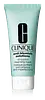
This wash off mask is formulated around Salicylic Acid to clear breakouts and unclog pores.
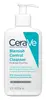
This salicylic acid gel cleanser is formulated around Salicylic Acid to clear breakouts and unclog pores.

What's inside
What's inside
 Key Ingredients
Benefits
Concerns
Ingredients Side-by-side
Water
Skin ConditioningKaolin
Abrasive



Butylene Glycol
Humectant

Magnesium Aluminum Silicate
Absorbent
Sodium Lauroyl Sarcosinate
CleansingGlyceryl Stearate
Emollient

PEG-100 Stearate
Surfactant
Gentiana Lutea Root Extract
Skin ConditioningLaminaria Saccharina Extract
Skin Protecting

Sucrose
Humectant
Algae Extract
Emollient
Aloe Barbadensis Leaf Extract
Emollient

Salicylic Acid
Masking





Acetyl Glucosamine
Skin Conditioning

Inulin
Skin Conditioning
1,2-Hexanediol
Skin Conditioning
Caprylyl Glycol
Emollient
Xanthan Gum
EmulsifyingDisodium EDTA
ChelatingChlorphenesin
Antimicrobial
Phenoxyethanol
Preservative
CI 77891
Cosmetic ColorantWater, Kaolin, Butylene Glycol, Magnesium Aluminum Silicate, Sodium Lauroyl Sarcosinate, Glyceryl Stearate, PEG-100 Stearate, Gentiana Lutea Root Extract, Laminaria Saccharina Extract, Sucrose, Algae Extract, Aloe Barbadensis Leaf Extract, Salicylic Acid, Acetyl Glucosamine, Inulin, 1,2-Hexanediol, Caprylyl Glycol, Xanthan Gum, Disodium EDTA, Chlorphenesin, Phenoxyethanol, CI 77891
Water
Skin ConditioningCocamidopropyl Hydroxysultaine
Cleansing
Glycerin
Humectant
Sodium Lauroyl Sarcosinate
CleansingNiacinamide
Smoothing
Salicylic Acid
Masking
Sodium Methyl Cocoyl Taurate
Cleansing
PEG-150 Pentaerythrityl Tetrastearate
Emulsifying
Gluconolactone
Chelating
Sodium Cocoyl Isethionate
Cleansing
Ceramide NP
Skin Conditioning
Ceramide AP
Skin Conditioning
Ceramide EOP
Skin Conditioning
Carbomer
Emulsion StabilisingCalcium Gluconate
HumectantTriethyl Citrate
Masking

Sodium Hydroxide
BufferingSodium Benzoate
Masking
Sodium Chloride
MaskingSodium Lauroyl Lactylate
EmulsifyingCholesterol
Emollient
Coconut Acid
Cleansing
Tetrasodium EDTA
ChelatingCaprylyl Glycol
Emollient
Hydrolyzed Hyaluronic Acid
Humectant
Trisodium Ethylenediamine Disuccinate
ChelatingHectorite
AbsorbentPhytosphingosine
Skin Conditioning
Xanthan Gum
EmulsifyingAcrylates Copolymer
Benzoic Acid
Masking
Water, Cocamidopropyl Hydroxysultaine, Glycerin, Sodium Lauroyl Sarcosinate, Niacinamide, Salicylic Acid, Sodium Methyl Cocoyl Taurate, PEG-150 Pentaerythrityl Tetrastearate, Gluconolactone, Sodium Cocoyl Isethionate, Ceramide NP, Ceramide AP, Ceramide EOP, Carbomer, Calcium Gluconate, Triethyl Citrate, Sodium Hydroxide, Sodium Benzoate, Sodium Chloride, Sodium Lauroyl Lactylate, Cholesterol, Coconut Acid, Tetrasodium EDTA, Caprylyl Glycol, Hydrolyzed Hyaluronic Acid, Trisodium Ethylenediamine Disuccinate, Hectorite, Phytosphingosine, Xanthan Gum, Acrylates Copolymer, Benzoic Acid
Reviews
Ingredients Explained
These ingredients are found in both products.
Ingredients higher up in an ingredient list are typically present in a larger amount.
Caprylyl Glycol is a humectant, skin conditioner, emollient, and preservative booster derived from either caprylic acid or synthetically created.
Typical use levels vary from 0.3-1% as a preservative booster and go up to 2% to condition skin.
Because it is not a free-fatty acid, this ingredient is fungal acne safe (there's nothing for Malassezia to feed on).
Learn more about Caprylyl GlycolSalicylic Acid (also known as beta hydroxy acid or BHA) is a well-known ingredient for treating skin that struggles with acne and clogged pores. It exfoliates both the skin's surface and deep within the pores to help clear out buildup, control oil, and reduce inflammation.
Unlike AHAs (alpha hydroxy acids), salicylic acid is oil-soluble. This allows it to penetrate into pores which makes it especially effective for treating blackheads and preventing future breakouts.
Salicylic acid is also known for its soothing properties. It has a similar structure to aspirin and can calm inflamed or irritated skin, making it a good option for acne-prone skin that is also sensitive.
Concentrations of 0.5-2% are recognized by the U.S. FDA as an over-the-counter topical acne product.
It can cause irritation and/or dryness if one's skin already has a compromised moisture barrier, so it's best to focus on repairing that before introducing this ingredient into your routine.
While salicylic acid does not increase sun sensitivity, it’s still important to wear sunscreen daily to protect your skin.
If you are looking for the ingredient called BHA or Butylated Hydroxyanisole, click here.
Learn more about Salicylic AcidSodium Lauroyl Sarcosinate is a cleansing agent and emulsifier. It is a surfactant derived from sarcosine, and a common source is coconut oil.
As a surfactant, Sodium Lauroyl Sarcosinate helps lift dirts, oil, and other molecules to be washed away. In leave-on products, this ingredient is used as an emulsifier. Emulsifier help prevent ingredients such as oils and waters from separating.
Sodium Lauroyl Sarcosinate is also commonly found as a foaming agent in shampoo, toothpaste, and shaving foam. It is amphiphilic, meaning it loves both water and fats.
Learn more about Sodium Lauroyl SarcosinateWater. It's the most common cosmetic ingredient of all. You'll usually see it at the top of ingredient lists, meaning that it makes up the largest part of the product.
So why is it so popular? Water most often acts as a solvent - this means that it helps dissolve other ingredients into the formulation.
You'll also recognize water as that liquid we all need to stay alive. If you see this, drink a glass of water. Remember to stay hydrated!
Learn more about WaterXanthan gum is used as a stabilizer and thickener within cosmetic products. It helps give products a sticky, thick feeling - preventing them from being too runny.
On the technical side of things, xanthan gum is a polysaccharide - a combination consisting of multiple sugar molecules bonded together.
Xanthan gum is a pretty common and great ingredient. It is a natural, non-toxic, non-irritating ingredient that is also commonly used in food products.
Learn more about Xanthan Gum

