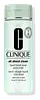
This mild cream cleanser is made to cleanse without leaving your skin tight or dry.
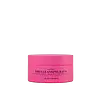
This oil-based makeup remover is made to dissolve makeup, sunscreen, and daily buildup.


What's inside
What's inside
 Key Ingredients
Benefits
Concerns
Ingredients Side-by-side
Water
Skin ConditioningCaprylic/Capric Triglyceride
Masking


Glycerin
Humectant
Olea Europaea Fruit Oil
Masking





Butylene Glycol
Humectant
Phenyl Trimethicone
Skin Conditioning
Cucumis Sativus Fruit Extract
Emollient

Hordeum Vulgare Extract
EmollientHelianthus Annuus Seedcake
Abrasive
Dimethicone
Emollient
Sodium Hyaluronate
Humectant

Tocopheryl Acetate
Antioxidant


Dipotassium Glycyrrhizate
Humectant
Cholesterol
Emollient
Sucrose Stearate
EmollientSucrose
Humectant
Caffeine
Skin Conditioning
PPG-20 Methyl Glucose Ether
Skin ConditioningUrea
Buffering

Sodium PCA
Humectant
Linoleic Acid
Cleansing
Propylene Glycol Dicaprate
EmollientPentylene Glycol
Skin Conditioning
Polyquaternium-51
Skin Conditioning
Trehalose
Humectant
Caprylyl Glycol
Emollient
Ammonium Acryloyldimethyltaurate/Vp Copolymer
Phenoxyethanol
Preservative
Water, Caprylic/Capric Triglyceride, Glycerin, Olea Europaea Fruit Oil, Butylene Glycol, Phenyl Trimethicone, Cucumis Sativus Fruit Extract, Hordeum Vulgare Extract, Helianthus Annuus Seedcake, Dimethicone, Sodium Hyaluronate, Tocopheryl Acetate, Dipotassium Glycyrrhizate, Cholesterol, Sucrose Stearate, Sucrose, Caffeine, PPG-20 Methyl Glucose Ether, Urea, Sodium PCA, Linoleic Acid, Propylene Glycol Dicaprate, Pentylene Glycol, Polyquaternium-51, Trehalose, Caprylyl Glycol, Ammonium Acryloyldimethyltaurate/Vp Copolymer, Phenoxyethanol
Cetearyl Ethylhexanoate
Emollient
PEG-20 Glyceryl Triisostearate
Emollient
Ethylhexyl Palmitate
Emollient
Prunus Amygdalus Dulcis Oil
Skin Conditioning
Jojoba Esters
Emollient
Sucrose Tetrastearate Triacetate
Emollient
Sorbeth-30 Tetraoleate
Emulsifying
Helianthus Annuus Seed Wax
Skin Conditioning
Simmondsia Chinensis Seed Oil
Emollient
Squalane
Emollient
Canola Oil
Emollient
Tocopherol
Antioxidant
Jojoba Oil/Macadamia Seed Oil Esters
Skin Conditioning
Acacia Decurrens Flower Wax
Emollient
Polyglycerin-3
Humectant
Squalene
Emollient
Helianthus Annuus Seed Oil
Emollient
Daucus Carota Sativa Seed Oil
Emollient
Daucus Carota Sativa Root Extract
Skin Conditioning
Phytosteryl Macadamiate
Skin Conditioning
Beta-Carotene
Skin ConditioningTocopheryl Acetate
Antioxidant
Phytosterols
Skin Conditioning
Phenoxyethanol
Preservative
Ethylhexylglycerin
Skin ConditioningCetearyl Ethylhexanoate, PEG-20 Glyceryl Triisostearate, Ethylhexyl Palmitate, Prunus Amygdalus Dulcis Oil, Jojoba Esters, Sucrose Tetrastearate Triacetate, Sorbeth-30 Tetraoleate, Helianthus Annuus Seed Wax, Simmondsia Chinensis Seed Oil, Squalane, Canola Oil, Tocopherol, Jojoba Oil/Macadamia Seed Oil Esters, Acacia Decurrens Flower Wax, Polyglycerin-3, Squalene, Helianthus Annuus Seed Oil, Daucus Carota Sativa Seed Oil, Daucus Carota Sativa Root Extract, Phytosteryl Macadamiate, Beta-Carotene, Tocopheryl Acetate, Phytosterols, Phenoxyethanol, Ethylhexylglycerin
Reviews
Ingredients Explained
These ingredients are found in both products.
Ingredients higher up in an ingredient list are typically present in a larger amount.
Phenoxyethanol is one of the most widely used preservatives in skincare (and for good reason!).
It has a large spectrum of antimicrobial activity and especially effective bacteria, yeast, and mold while only having a weak effect on your skin's natural microbiome.
On a cellular level, it disrupts the cell membranes of microbes by poking holes that make the cell leak. This shuts down the chemical reactions the microbe needs to make energy so it can no longer survive.
Another perk of this ingredient is that it stays functional across a wide pH range (3-10).
You'll often see it paired with boosters like Ethylhexylglycerin; one study showed that a 1:9 ratio of Ethylhexylglycerin to Phenoxyethanol damages bacterial membranes as effectively as doubling the Phenoxyethanol concentration on its own.
Typical use concentrations range from 0.3-1% depending on the formula, and this ingredient is capped at 1% int the EU.
Safety-wise, the fear mongering does not hold up to the evidence. The EU's Scientific Committee on Consumer Safety and FDA consider it safe as a preservative at up to 1%, including for children of all ages.
Adverse systemic effects only showed up in animal studies at exposures roughly 200x higher than what people get from cosmetics. And despite its very widespread use, this ingredient is a rare sensitizer and allergic reactions are uncommon.
Learn more about PhenoxyethanolTocopheryl Acetate is a stable, shelf-friendly form of vitamin E.
Formulators love it because plain vitamin E oxidizes quickly once it hits air. This acetate version stays stable and resists going off, helping to extend a product's shelf life.
It's actually inactive on its own and works like a slow-release "storage" form; the enzymes in your skin called esterases gradually convert it into active vitamin E over time.
One in vivo study showed 5% of the acetate in the living layer of the epidermis converted to vitamin E after 5 days of application. This study also found the skin gained protection against UV damage even though the conversion was slow and small.
Once converted, vitamin E acts as a skin's main fat-soluble antioxidant that fights free radicals to protect skin from damage.
Topical vitamin E generally boosts the skin's photoprotection, and it reduced UV-damage in animal models.
This ingredient has some brightening potential but it's more of a prevention ingredient than spot-fader. Cell studies show it can slow down melanin production but it's worth noting that it's not the most powerful brightener out there.
Overall, it has a pretty solid safety profile and has been found to be non-irritating and non-comedogenic. Allergic reactions may happen but stay rare due to how widely the ingredient gets used.
The concentration will vary depending on the formula; industry data shows 0.1% in baby lotions, 3% in lipsticks, and 5% in foot powders. You can also find this ingredient at 100% in a pure vitamin E oil.
Most leave-on skincare keeps it at the lower end, often between 0.5-1%.
Learn more about Tocopheryl Acetate


