Clear Turn Cica Moist Mask Versus Quality First Quality 1st Super VC + Retinol + Super Delivery Eye Sheet
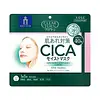
This calming sheet mask is formulated around Centella Asiatica Leaf Extract and Houttuynia Cordata Extract to calm redness and hydrate skin.
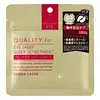
This brightening eye mask is formulated around Ascorbyl Tetraisopalmitate and Trisodium Ascorbyl Palmitate Phosphate to fade the look of dark spots and soften the look of wrinkles.

What's inside
What's inside
 Key Ingredients
Benefits
Concerns
Ingredients Side-by-side
Water
Skin ConditioningButylene Glycol
Humectant

Dipropylene Glycol
HumectantGlycerin
Humectant
PPG-10 Methyl Glucose Ether
Skin ConditioningGlycosyl Trehalose
Emulsion StabilisingSalvia Officinalis Oil
Masking
Centella Asiatica Leaf Extract
Skin Conditioning


Houttuynia Cordata Extract
Skin Conditioning
Sodium Hyaluronate
Humectant
Lactobacillus/Pear Juice Ferment Filtrate
Skin ConditioningDisodium EDTA
ChelatingPEG-8
HumectantAcrylates/C10-30 Alkyl Acrylate Crosspolymer
Emulsion StabilisingPEG-50 Hydrogenated Castor Oil Isostearate
Emulsifying

Xanthan Gum
EmulsifyingDiglycerin
Humectant
Triethylhexanoin
MaskingHydrogenated Starch Hydrolysate
HumectantSodium Hydroxide
BufferingPhenoxyethanol
Preservative
Methylparaben
Preservative


Water, Butylene Glycol, Dipropylene Glycol, Glycerin, PPG-10 Methyl Glucose Ether, Glycosyl Trehalose, Salvia Officinalis Oil, Centella Asiatica Leaf Extract, Houttuynia Cordata Extract, Sodium Hyaluronate, Lactobacillus/Pear Juice Ferment Filtrate, Disodium EDTA, PEG-8, Acrylates/C10-30 Alkyl Acrylate Crosspolymer, PEG-50 Hydrogenated Castor Oil Isostearate, Xanthan Gum, Diglycerin, Triethylhexanoin, Hydrogenated Starch Hydrolysate, Sodium Hydroxide, Phenoxyethanol, Methylparaben
Water
Skin ConditioningDipropylene Glycol
HumectantGlycerin
Humectant
Ascorbyl Tetraisopalmitate
Antioxidant


Trisodium Ascorbyl Palmitate Phosphate
Antioxidant

Ascorbyl Palmitate
Antioxidant
Retinol
Skin Conditioning




Hydrogenated Retinol
Skin Conditioning
Glutathione
Hydrolyzed Hyaluronic Acid
Humectant
Niacinamide
Smoothing
Dipotassium Glycyrrhizate
Humectant
Hydrogenated Lecithin
Emulsifying
Glycine Soja Sterols
Emollient
Ceramide NP
Skin Conditioning
Phellodendron Amurense Bark Extract
Skin ConditioningArbutin
Antioxidant
Cerebrosides
EmollientButylene Glycol
Humectant
Lavandula Angustifolia Oil
Masking


Citrus Limon Peel Oil
Masking
Citrus Aurantifolia Oil
Cleansing
Lemongrass Oil
Juniperus Mexicana Oil
Masking
Rosmarinus Officinalis Leaf Oil
Masking
Linoleic Acid
Cleansing
Linolenic Acid
Cleansing
Lecithin
Emollient
Glucosylrutin
Antioxidant
Caprylic/Capric Triglyceride
Masking
Pentylene Glycol
Skin Conditioning
BHT
Antioxidant
Tripropylene Glycol
Antioxidant
PEG-60 Hydrogenated Castor Oil
Emulsifying
Xanthan Gum
EmulsifyingEthylhexylglycerin
Skin ConditioningCitric Acid
Buffering
Sodium Citrate
BufferingPotassium Hydroxide
BufferingEtidronic Acid
ChelatingWater, Dipropylene Glycol, Glycerin, Ascorbyl Tetraisopalmitate, Trisodium Ascorbyl Palmitate Phosphate, Ascorbyl Palmitate, Retinol, Hydrogenated Retinol, Glutathione, Hydrolyzed Hyaluronic Acid, Niacinamide, Dipotassium Glycyrrhizate, Hydrogenated Lecithin, Glycine Soja Sterols, Ceramide NP, Phellodendron Amurense Bark Extract, Arbutin, Cerebrosides, Butylene Glycol, Lavandula Angustifolia Oil, Citrus Limon Peel Oil, Citrus Aurantifolia Oil, Lemongrass Oil, Juniperus Mexicana Oil, Rosmarinus Officinalis Leaf Oil, Linoleic Acid, Linolenic Acid, Lecithin, Glucosylrutin, Caprylic/Capric Triglyceride, Pentylene Glycol, BHT, Tripropylene Glycol, PEG-60 Hydrogenated Castor Oil, Xanthan Gum, Ethylhexylglycerin, Citric Acid, Sodium Citrate, Potassium Hydroxide, Etidronic Acid
Ingredients Explained
These ingredients are found in both products.
Ingredients higher up in an ingredient list are typically present in a larger amount.
Butylene Glycol (or BG) is used within cosmetic products for a few different reasons:
Overall, Butylene Glycol is a safe and well-rounded ingredient that works well with other ingredients.
Though this ingredient works well with most skin types, some people with sensitive skin may experience a reaction such as allergic rashes, closed comedones, or itchiness.
Learn more about Butylene GlycolDipropylene Glycol is a synthetically created humectant, stabilizer, and solvent.
This ingredient helps:
Dipropylene glycol is technically an alcohol, but it belongs to the glycol family (often considered part of the ‘good’ alcohols). This means it is hydrating and gentle on skin unlike drying solvent alcohols like denatured alcohol.
As a masking agent, Dipropylene Glycol can be used to cover the smell of other ingredients. However, it does not have a scent.
Studies show Dipropylene Glycol is considered safe to use in skincare.
Learn more about Dipropylene GlycolGlycerin (or glycerol) is a compound naturally found in your skin. It's a powerhouse humectant that pulls water into the stratum corneum.
Topically, glycerin does several things at once:
Your skin makes glycerin on its own (mostly from sebaceous oil breakdown) and shuttles it to your outermost layer of skin, or your epidermis, via aquaporin-3.
Aquaporin-3 is a transporter that is essential for normal skin hydration, elasticity, and repair. Interestingly, mice lacking in AQP3 have dry and less elastic skin that can be fully corrected with glycerin.
This ingredient is non-irritating, plays well with almost every ingredient, and works across all skin types. Typical use is anywhere between 3-10% but can go up to 79% in some leave-on products.
Just know very high concentrations (>40%) can feel tacky in low humidity.
Glycerin is the name for this ingredient in American English. British English uses Glycerol/Glycerine.
Learn more about GlycerinWater. It's the most common cosmetic ingredient of all. You'll usually see it at the top of ingredient lists, meaning that it makes up the largest part of the product.
So why is it so popular? Water most often acts as a solvent - this means that it helps dissolve other ingredients into the formulation.
You'll also recognize water as that liquid we all need to stay alive. If you see this, drink a glass of water. Remember to stay hydrated!
Learn more about WaterXanthan gum is used as a stabilizer and thickener within cosmetic products. It helps give products a sticky, thick feeling - preventing them from being too runny.
On the technical side of things, xanthan gum is a polysaccharide - a combination consisting of multiple sugar molecules bonded together.
Xanthan gum is a pretty common and great ingredient. It is a natural, non-toxic, non-irritating ingredient that is also commonly used in food products.
Learn more about Xanthan Gum

