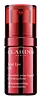
This anti-aging eye moisturizer is formulated around Caffeine to soften the look of wrinkles.
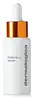
This brightening serum is formulated around Lactic Acid and Palmitoyl Tripeptide-5 to brighten dull-looking skin and soften the look of wrinkles.


What's inside
What's inside
 Key Ingredients
Benefits
Concerns
Ingredients Side-by-side
Water
Skin ConditioningGlycerin
Humectant


Caprylic/Capric Triglyceride
Masking
Propanediol
Solvent
Cetearyl Alcohol
Emollient





Betaine
Humectant
Hydrogenated Coco-Glycerides
Emollient
Panthenol
Skin Conditioning
Glyceryl Stearate
Emollient
PEG-100 Stearate
Surfactant
Pentylene Glycol
Skin Conditioning
Butyrospermum Parkii Butter
Skin Conditioning
Cetearyl Glucoside
Emulsifying
Albizia Julibrissin Bark Extract
MaskingAcacia Farnesiana Flower Wax
Caffeine
Skin Conditioning
Steareth-21
CleansingDimethicone
Emollient
Carbomer
Emulsion StabilisingChlorphenesin
Antimicrobial
Ethylhexylglycerin
Skin ConditioningTocopheryl Acetate
Antioxidant


CI 77891
Cosmetic ColorantSynthetic Fluorphlogopite
Disodium EDTA
ChelatingEscin
TonicParfum
Masking


Butylene Glycol
Humectant
Dimethiconol
Emollient
Sodium Hydroxide
BufferingAlcohol
Antimicrobial

Harungana Madagascariensis Extract
Skin ConditioningOlea Europaea Fruit Extract
BleachingPaullinia Cupana Seed Extract
Skin ConditioningSodium Benzoate
Masking
Tin Oxide
Abrasive
Acetyl Tetrapeptide-2
Skin Conditioning
Dextran
Water, Glycerin, Caprylic/Capric Triglyceride, Propanediol, Cetearyl Alcohol, Betaine, Hydrogenated Coco-Glycerides, Panthenol, Glyceryl Stearate, PEG-100 Stearate, Pentylene Glycol, Butyrospermum Parkii Butter, Cetearyl Glucoside, Albizia Julibrissin Bark Extract, Acacia Farnesiana Flower Wax, Caffeine, Steareth-21, Dimethicone, Carbomer, Chlorphenesin, Ethylhexylglycerin, Tocopheryl Acetate, CI 77891, Synthetic Fluorphlogopite, Disodium EDTA, Escin, Parfum, Butylene Glycol, Dimethiconol, Sodium Hydroxide, Alcohol, Harungana Madagascariensis Extract, Olea Europaea Fruit Extract, Paullinia Cupana Seed Extract, Sodium Benzoate, Tin Oxide, Acetyl Tetrapeptide-2, Dextran
Water
Skin ConditioningGlycerin
Humectant
Butylene Glycol
Humectant
Ethoxydiglycol
HumectantLactic Acid
Buffering




Salvia Hispanica Seed Extract
Emollient
Sodium PCA
Humectant
Palmitoyl Tripeptide-5
Skin Conditioning
Sophora Japonica Flower Extract
Skin ProtectingAscorbyl Methylsilanol Pectinate
Antioxidant
Sodium Hyaluronate
Humectant
Tocopherol
Antioxidant
Dipotassium Glycyrrhizate
Humectant
Aminopropyl Ascorbyl Phosphate
Antioxidant
Trehalose
Humectant
Polyacrylate-13
Propanediol
Solvent
Citrus Grandis Peel Oil
Masking

Helianthus Annuus Seed Oil
Emollient
Polyisobutene
Methylpropanediol
SolventCarrageenan
Pentylene Glycol
Skin Conditioning
Glyceryl Polyacrylate
Caprylyl Glycol
Emollient
Ethylhexylglycerin
Skin ConditioningTetrasodium Glutamate Diacetate
ChelatingXanthan Gum
EmulsifyingPolysorbate 20
Emulsifying
Limonene
Perfuming
Sodium Hydroxide
BufferingPhenoxyethanol
Preservative
Water, Glycerin, Butylene Glycol, Ethoxydiglycol, Lactic Acid, Salvia Hispanica Seed Extract, Sodium PCA, Palmitoyl Tripeptide-5, Sophora Japonica Flower Extract, Ascorbyl Methylsilanol Pectinate, Sodium Hyaluronate, Tocopherol, Dipotassium Glycyrrhizate, Aminopropyl Ascorbyl Phosphate, Trehalose, Polyacrylate-13, Propanediol, Citrus Grandis Peel Oil, Helianthus Annuus Seed Oil, Polyisobutene, Methylpropanediol, Carrageenan, Pentylene Glycol, Glyceryl Polyacrylate, Caprylyl Glycol, Ethylhexylglycerin, Tetrasodium Glutamate Diacetate, Xanthan Gum, Polysorbate 20, Limonene, Sodium Hydroxide, Phenoxyethanol
Reviews
Ingredients Explained
These ingredients are found in both products.
Ingredients higher up in an ingredient list are typically present in a larger amount.
Butylene Glycol (or BG) is used within cosmetic products for a few different reasons:
Overall, Butylene Glycol is a safe and well-rounded ingredient that works well with other ingredients.
Though this ingredient works well with most skin types, some people with sensitive skin may experience a reaction such as allergic rashes, closed comedones, or itchiness.
Learn more about Butylene GlycolEthylhexylglycerin is created from glycerin. It is a multitasker ingredient that:
The CIR Expert Panel found minimal skin absorption or sensitization of any kind in a safety assessment. Though this ingredient is considered well-tolerated, a small number of cases of allergic dermatitis have been published since 2002. Just be sure to patch test if you are unsure.
Industry-reported use ranges from 8% in rinse-off products and 2% in leave-on formulations.
Learn more about EthylhexylglycerinGlycerin (or glycerol) is a compound naturally found in your skin. It's a powerhouse humectant that pulls water into the stratum corneum.
Topically, glycerin does several things at once:
Your skin makes glycerin on its own (mostly from sebaceous oil breakdown) and shuttles it to your outermost layer of skin, or your epidermis, via aquaporin-3.
Aquaporin-3 is a transporter that is essential for normal skin hydration, elasticity, and repair. Interestingly, mice lacking in AQP3 have dry and less elastic skin that can be fully corrected with glycerin.
This ingredient is non-irritating, plays well with almost every ingredient, and works across all skin types. Typical use is anywhere between 3-10% but can go up to 79% in some leave-on products.
Just know very high concentrations (>40%) can feel tacky in low humidity.
Glycerin is the name for this ingredient in American English. British English uses Glycerol/Glycerine.
Learn more about GlycerinPentylene Glycol (1,2-pentanediol) is a multitasking little diol with three main roles in a formula:
Research on alkanediols (the family pentylene glycol belongs to) show they work by disrupting microbial cell membranes. This disruption helps the primary preservative system in a product work more effectively at lower doses.
On the safety side, the Cosmetic Ingredient Review Expert Panel has concluded this ingredient to be safe as used in current cosmetic practices + concentrations.
Typical use levels in a formula run about 1-5%.
Learn more about Pentylene GlycolPropanediol is an all-star ingredient. It softens, hydrates, and smooths the skin.
It’s often used to:
Propanediol is not likely to cause sensitivity and considered safe to use. It is derived from corn or petroleum with a clear color and no scent.
Learn more about PropanediolSodium Hydroxide is also known as lye or caustic soda. It is used to adjust the pH of products; many ingredients require a specific pH to be effective.
In small amounts, sodium hydroxide is considered safe to use. However, large amounts may cause chemical burns due to its high alkaline.
Your skin has a natural pH and acid mantle. This acid mantle helps prevent harmful bacteria from breaking through. The acid mantle also helps keep your skin hydrated.
"Alkaline" refers to a high pH level. A low pH level would be considered acidic.
Learn more about Sodium HydroxideWater. It's the most common cosmetic ingredient of all. You'll usually see it at the top of ingredient lists, meaning that it makes up the largest part of the product.
So why is it so popular? Water most often acts as a solvent - this means that it helps dissolve other ingredients into the formulation.
You'll also recognize water as that liquid we all need to stay alive. If you see this, drink a glass of water. Remember to stay hydrated!
Learn more about Water

