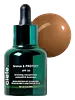
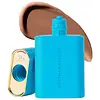
ciele. Bronze & Protect SPF 50 Bronzing Concentrate SPF 50+ Versus Westman Atelier Sun Tone Bronzing Drops

What's inside
What's inside
 Key Ingredients
Benefits
Concerns
Ingredients Side-by-side
Zinc Oxide 12%
Cosmetic Colorant


Water
Skin ConditioningC12-15 Alkyl Benzoate
AntimicrobialButyloctyl Salicylate
Skin Conditioning
Lauryl PEG-8 Dimethicone
Surfactant
Isododecane
EmollientPropanediol
Solvent

Iron Oxides
CI 77491
Cosmetic ColorantSynthetic Fluorphlogopite
Dimethicone
Emollient
Niacinamide
Smoothing








Polymethylsilsesquioxane
Isohexadecane
EmollientTrilaureth-4 Phosphate
EmulsifyingDimethiconol
Emollient
Mica
Cosmetic ColorantCaprylyl Methicone
Skin Conditioning
Octyldodecyl Neopentanoate
EmollientLauryl PEG-10 Tris(Trimethylsiloxy)Silylethyl Dimethicone
Emulsifying
CI 77492
Cosmetic ColorantSodium Chloride
MaskingPhenoxyethanol
Preservative
Bisabolol
Antioxidant
Disteardimonium Hectorite
StabilisingCI 77499
Cosmetic ColorantCaprylyl Glycol
Emollient
Allantoin
Skin Conditioning
Titanium Dioxide
Cosmetic Colorant
Ethylhexylglycerin
Skin ConditioningHexylene Glycol
EmulsifyingPropylene Carbonate
SolventPolyglyceryl-4 Diisostearate/Polyhydroxystearate/Sebacate
Emulsifying

PEG-10
HumectantTetrasodium Glutamate Diacetate
ChelatingHydrogenated Lecithin
Emulsifying
Tin Oxide
Abrasive
Sodium Hydroxide
BufferingZinc Oxide 12%, Water, C12-15 Alkyl Benzoate, Butyloctyl Salicylate, Lauryl PEG-8 Dimethicone, Isododecane, Propanediol, Iron Oxides, CI 77491, Synthetic Fluorphlogopite, Dimethicone, Niacinamide, Polymethylsilsesquioxane, Isohexadecane, Trilaureth-4 Phosphate, Dimethiconol, Mica, Caprylyl Methicone, Octyldodecyl Neopentanoate, Lauryl PEG-10 Tris(Trimethylsiloxy)Silylethyl Dimethicone, CI 77492, Sodium Chloride, Phenoxyethanol, Bisabolol, Disteardimonium Hectorite, CI 77499, Caprylyl Glycol, Allantoin, Titanium Dioxide, Ethylhexylglycerin, Hexylene Glycol, Propylene Carbonate, Polyglyceryl-4 Diisostearate/Polyhydroxystearate/Sebacate, PEG-10, Tetrasodium Glutamate Diacetate, Hydrogenated Lecithin, Tin Oxide, Sodium Hydroxide
Water
Skin ConditioningButylene Glycol
Humectant
Glycerin
Humectant
Octyldodecanol
Emollient
C10-18 Triglycerides
Emollient
Mica
Cosmetic ColorantPentylene Glycol
Skin Conditioning
Zea Mays Starch
Absorbent
Polyglyceryl-4 Caprate
EmulsifyingPolyglyceryl-3 Polyricinoleate
Emulsifying
Glyceryl Stearate
Emollient
Xylitol
Humectant
Isosorbide Dicaprylate/Caprate
Isosorbide
HumectantDaucus Carota Sativa Seed Oil
Emollient



Glyceryl Caprylate/Caprate
EmollientHelianthus Annuus Seed Oil
Emollient
Sodium Stearoyl Lactylate
EmulsifyingPolyglyceryl-3 Diisostearate
Emulsifying
Xanthan Gum
EmulsifyingTapioca Starch
Algin
MaskingTocopherol
Antioxidant
Potassium Sorbate
Preservative
Tin Oxide
Abrasive
CI 77891
Cosmetic ColorantCI 77491
Cosmetic ColorantCI 77492
Cosmetic ColorantWater, Butylene Glycol, Glycerin, Octyldodecanol, C10-18 Triglycerides, Mica, Pentylene Glycol, Zea Mays Starch, Polyglyceryl-4 Caprate, Polyglyceryl-3 Polyricinoleate, Glyceryl Stearate, Xylitol, Isosorbide Dicaprylate/Caprate, Isosorbide, Daucus Carota Sativa Seed Oil, Glyceryl Caprylate/Caprate, Helianthus Annuus Seed Oil, Sodium Stearoyl Lactylate, Polyglyceryl-3 Diisostearate, Xanthan Gum, Tapioca Starch, Algin, Tocopherol, Potassium Sorbate, Tin Oxide, CI 77891, CI 77491, CI 77492
Ingredients Explained
These ingredients are found in both products.
Ingredients higher up in an ingredient list are typically present in a larger amount.
Ci 77491 is also hydrated iron III oxide. It's sole purpose is to give a red/pink hue to products.
Iron III oxides are classified as inorganic chemicals for coloring.
Synthetically created Ci 77491 is considered safer than those naturally found. This is because the synthetically created version may contain less impurities. Iron oxides are generally non-toxic and non-allergenic.
Learn more about CI 77491CI 77492 is also hydrated iron III oxide. It's sole purpose is to give a yellow hue to products.
Iron III oxides are classified as inorganic chemicals for coloring.
Synthetically created CI 77492 is considered safer than those naturally found. This is because the synthetically created version may contain less impurities. Iron oxides are generally non-toxic and non-allergenic.
Learn more about CI 77492Mica is a naturally occurring mineral used to add shimmer and color in cosmetics. It can also help improve the texture of a product or give it an opaque, white/silver color.
Serecite is the name for very fine but ragged grains of mica.
This ingredient is often coated with metal oxides like titanium dioxide. Trace amounts of heavy metals may be found in mica, but these metals are not harmful in our personal products.
Mica has been used since prehistoric times throughout the world. Ancient Egyptian, Indian, Greek, Roman, Aztec, and Chinese civilizations have used mica.
Learn more about MicaTin Oxide is an inorganic oxide used to add opacity and volume to a product. In nature, it is already found in mineral form. The main ore of tin is an opaque and shiny mineral called casseterite.
Tin Oxide helps remove translucency in a product, or make it more opaque. Besides adding opacity, tin oxide is used for bulking to add volume.
Water. It's the most common cosmetic ingredient of all. You'll usually see it at the top of ingredient lists, meaning that it makes up the largest part of the product.
So why is it so popular? Water most often acts as a solvent - this means that it helps dissolve other ingredients into the formulation.
You'll also recognize water as that liquid we all need to stay alive. If you see this, drink a glass of water. Remember to stay hydrated!
Learn more about Water

