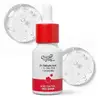
This acne serum is formulated around Salicylic Acid and Zinc PCA to clear breakouts and balance excess oil.
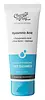
This mild cream cleanser is made to cleanse without leaving your skin tight or dry.

What's inside
What's inside
 Key Ingredients
Benefits
Concerns
Ingredients Side-by-side
Water
Skin ConditioningPropylene Glycol
Humectant


Ethoxydiglycol
HumectantDimethyl Isosorbide
SolventSalicylic Acid
Masking








PEG/PPG-17/6 Copolymer
SolventZinc PCA
Humectant


Opuntia Ficus-Indica Stem Extract
Skin Conditioning
Glycerin
Humectant
Salix Alba Bark Extract
Astringent
Cladosiphon Okamuranus Extract
Skin Conditioning
Centella Asiatica Leaf Extract
Skin Conditioning
Camellia Sinensis Leaf Extract
Antimicrobial
Sodium Hyaluronate
Humectant
Coffea Arabica Seed Extract
Masking
Citrus Aurantium Bergamia Leaf Extract
AstringentPinus Densiflora Leaf Extract
Antimicrobial
Oryza Sativa Cera
Skin ConditioningCeramide Ag
Humectant
Sphingolipids
Emollient
Phospholipids
Skin Conditioning
Sodium Hydroxide
Buffering1,2-Hexanediol
Skin Conditioning
Allantoin
Skin Conditioning
Acacia Senegal Gum
MaskingLactic Acid
Buffering
Xanthan Gum
EmulsifyingSodium Gluconate
ChelatingPhenoxyethanol
Preservative
Decyl Glucoside
Cleansing
Triethanolamine
BufferingWater, Propylene Glycol, Ethoxydiglycol, Dimethyl Isosorbide, Salicylic Acid, PEG/PPG-17/6 Copolymer, Zinc PCA, Opuntia Ficus-Indica Stem Extract, Glycerin, Salix Alba Bark Extract, Cladosiphon Okamuranus Extract, Centella Asiatica Leaf Extract, Camellia Sinensis Leaf Extract, Sodium Hyaluronate, Coffea Arabica Seed Extract, Citrus Aurantium Bergamia Leaf Extract, Pinus Densiflora Leaf Extract, Oryza Sativa Cera, Ceramide Ag, Sphingolipids, Phospholipids, Sodium Hydroxide, 1,2-Hexanediol, Allantoin, Acacia Senegal Gum, Lactic Acid, Xanthan Gum, Sodium Gluconate, Phenoxyethanol, Decyl Glucoside, Triethanolamine
Water
Skin ConditioningGlycerin
Humectant
Cetearyl Alcohol
Emollient


Propanediol
Solvent
Polyquaternium-39
Betaine
Humectant
Phenoxyethanol
Preservative
Ceteareth-20
Cleansing
Sodium Cocoyl Isethionate
Cleansing
Polysorbate 80
Emulsifying
Xylitylglucoside
Humectant
Allantoin
Skin Conditioning
Avena Sativa Meal Extract
SoothingSodium Hyaluronate
Humectant
Panthenol
Skin Conditioning
Xylitol
Humectant
Anhydroxylitol
Humectant
Ceramide Ag
Humectant
Polyglutamic Acid
Skin Conditioning
Oryza Sativa Cera
Skin ConditioningAcrylates/C10-30 Alkyl Acrylate Crosspolymer
Emulsion StabilisingTocopheryl Acetate
Antioxidant
Parfum
Masking

Xanthan Gum
EmulsifyingPhospholipids
Skin Conditioning
Sphingolipids
Emollient
Disodium EDTA
ChelatingPEG-45m
HumectantSodium Hydroxide
BufferingWater, Glycerin, Cetearyl Alcohol, Propanediol, Polyquaternium-39, Betaine, Phenoxyethanol, Ceteareth-20, Sodium Cocoyl Isethionate, Polysorbate 80, Xylitylglucoside, Allantoin, Avena Sativa Meal Extract, Sodium Hyaluronate, Panthenol, Xylitol, Anhydroxylitol, Ceramide Ag, Polyglutamic Acid, Oryza Sativa Cera, Acrylates/C10-30 Alkyl Acrylate Crosspolymer, Tocopheryl Acetate, Parfum, Xanthan Gum, Phospholipids, Sphingolipids, Disodium EDTA, PEG-45m, Sodium Hydroxide
Ingredients Explained
These ingredients are found in both products.
Ingredients higher up in an ingredient list are typically present in a larger amount.
Allantoin is a soothing ingredient known for its protective and moisturizing properties; it's basically a quiet workhorse ingredient you can find in a huge range of cosmetics.
Though it can be derived from the comfrey plant, allantoin is produced synthetically for cosmetic products to ensure purity.
Research shows it can encourage your skin cells to turn over and renew by stimulating keratinocyte and fibroblast proliferation.
It also has mild keratolytic properties to help loosen and shed dead skin cells without being harsh.
Studies also suggest allantoin can help calm inflammation by dialing down some of the chemical signals your skin sends out when it is irritated.
This ingredient is typically used in the 0.1-0.5% range, and the FDA recognizes it as a skin protectant in OTC products up to 2%.
Overall, allantoin is a wonderful addition to most routines; it is stable across a wide pH range (~4-8), works well with other ingredients, and is considered non-sensitizing/non-irritating.
Fun fact: Allantoin is naturally occurring in comfrey root, beets, chamomile, and wheat sprouts. Our bodies even produce it as a byproduct of uric acid metabolism.
Learn more about AllantoinCeramide AG is a type of Ceramide.
Ceramides are intercellular lipids naturally found in our skin that bonds dead skin cells together to create a barrier. They are known for their ability to hold water and thus are a great ingredient for dry skin.
Ceramide AG is the N-acylated sphingolipid consisting of Sphinganine having the D-erythro structure linked to an alpha-hydroxy saturated or unsaturated fatty acid.
Learn more about Ceramide AgGlycerin (or glycerol) is a compound naturally found in your skin. It's a powerhouse humectant that pulls water into the stratum corneum.
Topically, glycerin does several things at once:
Your skin makes glycerin on its own (mostly from sebaceous oil breakdown) and shuttles it to your outermost layer of skin, or your epidermis, via aquaporin-3.
Aquaporin-3 is a transporter that is essential for normal skin hydration, elasticity, and repair. Interestingly, mice lacking in AQP3 have dry and less elastic skin that can be fully corrected with glycerin.
This ingredient is non-irritating, plays well with almost every ingredient, and works across all skin types. Typical use is anywhere between 3-10% but can go up to 79% in some leave-on products.
Just know very high concentrations (>40%) can feel tacky in low humidity.
Glycerin is the name for this ingredient in American English. British English uses Glycerol/Glycerine.
Learn more about GlycerinWe don't have a description for Oryza Sativa Cera yet.
Phenoxyethanol is one of the most widely used preservatives in skincare (and for good reason!).
It has a large spectrum of antimicrobial activity and especially effective bacteria, yeast, and mold while only having a weak effect on your skin's natural microbiome.
On a cellular level, it disrupts the cell membranes of microbes by poking holes that make the cell leak. This shuts down the chemical reactions the microbe needs to make energy so it can no longer survive.
Another perk of this ingredient is that it stays functional across a wide pH range (3-10).
You'll often see it paired with boosters like Ethylhexylglycerin; one study showed that a 1:9 ratio of Ethylhexylglycerin to Phenoxyethanol damages bacterial membranes as effectively as doubling the Phenoxyethanol concentration on its own.
Typical use concentrations range from 0.3-1% depending on the formula, and this ingredient is capped at 1% int the EU.
Safety-wise, the fear mongering does not hold up to the evidence. The EU's Scientific Committee on Consumer Safety and FDA consider it safe as a preservative at up to 1%, including for children of all ages.
Adverse systemic effects only showed up in animal studies at exposures roughly 200x higher than what people get from cosmetics. And despite its very widespread use, this ingredient is a rare sensitizer and allergic reactions are uncommon.
Learn more about PhenoxyethanolPhospholipids are a family of skin-identical lipids that makeup the structural backbone of every cell membrane in your body.
In cosmetics, they function as skin conditioning agents with emulsifier and surfactant properties. They're typically sourced from soybean or sunflower lecithin (or sometimes egg yolk or marine sources).
Because they mirror the lipids naturally found in the deeper layers of your skin, topical phospholipids help reinforce the lipid matrix, reduce transepidermal water loss, and leave skin feeling conditioned.
They're also used to form liposomes, or tiny self-assembling vesible used to stabilize actives like vitamin c or retinol. This helps these ingredients integrate into the upper layers of skin more easily.
Phospholipids are compatible with everything and the CIR Expert Panel has concluded them to be safe at current use levels.
Some types of phospholipids include:
Learn more about PhospholipidsSodium Hyaluronate is the salt form of hyaluronic acid. It is a long sugar chain that is naturally found in your skin, joints, and connective tissue that maintains hydration and elasticity.
In skincare, it works as a humectant. It pulls water from the environment and deeper layers of skin and binds it to the surface.
Interestingly, the size of the molecule affects its behavior:
Some clinical evidence links low molecular weight versions to improved wrinkle depth, elasticity, anti-inflammatory effects, and barrier repair.
Many serums use a blend of both weights so you can get surface hydration plus longer-lasting and deeper effects.
You'll typically see concentrations between 0.1-2% for this ingredient.
Learn more about Sodium HyaluronateSodium Hydroxide is also known as lye or caustic soda. It is used to adjust the pH of products; many ingredients require a specific pH to be effective.
In small amounts, sodium hydroxide is considered safe to use. However, large amounts may cause chemical burns due to its high alkaline.
Your skin has a natural pH and acid mantle. This acid mantle helps prevent harmful bacteria from breaking through. The acid mantle also helps keep your skin hydrated.
"Alkaline" refers to a high pH level. A low pH level would be considered acidic.
Learn more about Sodium HydroxideSphingolipids are a major class of lipids in cell membranes. This ingredient has emollient, skin conditioning, and skin protecting properties.
Certain ceramides are considered sphingolipids (Ceramide NS and Ceramid AP), but not all sphingolipids are ceramides.
Water. It's the most common cosmetic ingredient of all. You'll usually see it at the top of ingredient lists, meaning that it makes up the largest part of the product.
So why is it so popular? Water most often acts as a solvent - this means that it helps dissolve other ingredients into the formulation.
You'll also recognize water as that liquid we all need to stay alive. If you see this, drink a glass of water. Remember to stay hydrated!
Learn more about WaterXanthan gum is used as a stabilizer and thickener within cosmetic products. It helps give products a sticky, thick feeling - preventing them from being too runny.
On the technical side of things, xanthan gum is a polysaccharide - a combination consisting of multiple sugar molecules bonded together.
Xanthan gum is a pretty common and great ingredient. It is a natural, non-toxic, non-irritating ingredient that is also commonly used in food products.
Learn more about Xanthan Gum

