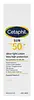
This hybrid sunscreen covers the full UV range and blocks ~98% of UVB at SPF 50.
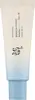
This chemical sunscreen covers the full UV range and blocks ~98% of UVB at SPF 50.


What's inside
What's inside
 Key Ingredients
Benefits
Concerns
Ingredients Side-by-side
Ethylhexyl Methoxycinnamate
UV Absorber


Diethylamino Hydroxybenzoyl Hexyl Benzoate
UV Filter
Bis-Ethylhexyloxyphenol Methoxyphenyl Triazine
UV Absorber
Titanium Dioxide
Cosmetic Colorant
Methylene Bis-Benzotriazolyl Tetramethylbutylphenol
UV Filter
Ethylhexyl Triazone
UV Absorber
Water
Skin ConditioningAlcohol
Antimicrobial



C12-15 Alkyl Benzoate
AntimicrobialDibutyl Adipate
EmollientDimethicone
Emollient

Vp/Eicosene Copolymer
Betaine
Humectant


Tocopherol
Antioxidant





Polyglyceryl-2 Dipolyhydroxystearate
Skin Conditioning
Silica
Abrasive


Decyl Glucoside
Cleansing
Triethanolamine
BufferingXanthan Gum
EmulsifyingAcrylates/C10-30 Alkyl Acrylate Crosspolymer
Emulsion StabilisingTrisodium Ethylenediamine Disuccinate
ChelatingLauryl Glucoside
CleansingBHT
Antioxidant
Propylene Glycol
Humectant
Ethylhexyl Methoxycinnamate, Diethylamino Hydroxybenzoyl Hexyl Benzoate, Bis-Ethylhexyloxyphenol Methoxyphenyl Triazine, Titanium Dioxide, Methylene Bis-Benzotriazolyl Tetramethylbutylphenol, Ethylhexyl Triazone, Water, Alcohol, C12-15 Alkyl Benzoate, Dibutyl Adipate, Dimethicone, Vp/Eicosene Copolymer, Betaine, Tocopherol, Polyglyceryl-2 Dipolyhydroxystearate, Silica, Decyl Glucoside, Triethanolamine, Xanthan Gum, Acrylates/C10-30 Alkyl Acrylate Crosspolymer, Trisodium Ethylenediamine Disuccinate, Lauryl Glucoside, BHT, Propylene Glycol
Water
Skin ConditioningOryza Sativa Seed Water
Antimicrobial
Dibutyl Adipate
EmollientButyloctyl Salicylate
Skin Conditioning
Ethylhexyl Triazone
UV Absorber
1,2-Hexanediol
Skin Conditioning
Drometrizole Trisiloxane
UV Absorber
Polyglyceryl-3 Distearate
Emulsifying
Terephthalylidene Dicamphor Sulfonic Acid
UV Absorber
Diethylamino Hydroxybenzoyl Hexyl Benzoate
UV Filter
Polymethylsilsesquioxane
Tromethamine
BufferingPanthenol
Skin Conditioning
Pentylene Glycol
Skin Conditioning
Glyceryl Stearate
Emollient
Silica
Abrasive
Caprylyl Methicone
Skin Conditioning
Avena Sativa Kernel Extract
Abrasive
Cynara Scolymus Leaf Extract
Skin ConditioningCamellia Sinensis Leaf Water
Masking
Hydrogenated Lecithin
Emulsifying
Oryza Sativa Bran Oil
Emollient
Sodium Hyaluronate
Humectant
Bis-Ethylhexyloxyphenol Methoxyphenyl Triazine
UV Absorber
Propanediol
Solvent
Potassium Cetyl Phosphate
EmulsifyingPoly C10-30 Alkyl Acrylate
Emulsion StabilisingMethylpropanediol
SolventCarbomer
Emulsion StabilisingAcrylates/C10-30 Alkyl Acrylate Crosspolymer
Emulsion StabilisingEthylhexylglycerin
Skin ConditioningXanthan Gum
EmulsifyingGlycerin
Humectant
Polyether-1
Polyquaternium-51
Skin Conditioning
Beta-Glucan
Skin Conditioning
Biosaccharide Gum-1
Humectant
Inositol
Humectant
Tocopherol
Antioxidant
Ferulic Acid
Antimicrobial
Citric Acid
Buffering
Ceramide NP
Skin Conditioning
Phytosphingosine
Skin Conditioning
Rice Amino Acids
Skin Conditioning
Rice Sh-Oligopeptide-1
Skin Conditioning
Water, Oryza Sativa Seed Water, Dibutyl Adipate, Butyloctyl Salicylate, Ethylhexyl Triazone, 1,2-Hexanediol, Drometrizole Trisiloxane, Polyglyceryl-3 Distearate, Terephthalylidene Dicamphor Sulfonic Acid, Diethylamino Hydroxybenzoyl Hexyl Benzoate, Polymethylsilsesquioxane, Tromethamine, Panthenol, Pentylene Glycol, Glyceryl Stearate, Silica, Caprylyl Methicone, Avena Sativa Kernel Extract, Cynara Scolymus Leaf Extract, Camellia Sinensis Leaf Water, Hydrogenated Lecithin, Oryza Sativa Bran Oil, Sodium Hyaluronate, Bis-Ethylhexyloxyphenol Methoxyphenyl Triazine, Propanediol, Potassium Cetyl Phosphate, Poly C10-30 Alkyl Acrylate, Methylpropanediol, Carbomer, Acrylates/C10-30 Alkyl Acrylate Crosspolymer, Ethylhexylglycerin, Xanthan Gum, Glycerin, Polyether-1, Polyquaternium-51, Beta-Glucan, Biosaccharide Gum-1, Inositol, Tocopherol, Ferulic Acid, Citric Acid, Ceramide NP, Phytosphingosine, Rice Amino Acids, Rice Sh-Oligopeptide-1
Reviews
Ingredients Explained
These ingredients are found in both products.
Ingredients higher up in an ingredient list are typically present in a larger amount.
Acrylates/C10-30 Alkyl Acrylate Crosspolymer is a synthetic polymer. It is used to thicken, emulsify, and improve the texture of products.
As an emulsifier, it helps stabilize oil-in-water emulsions to give products an elegant feel when applied.
It can also form a thin protective film on skin. One study found that a formula using this polymer helped slow down how quickly other ingredients (like DEET) were absorbed through skin.
A 2024 study of over 1,300 patients confirmed that sensitization to this ingredient is rare. It is also non-mutagenic and has a clean track record.
Learn more about Acrylates/C10-30 Alkyl Acrylate CrosspolymerThis ingredient is better known as bemotrizinol or Tinosorb S and is one of the best broad-spectrum UV filters in modern sunscreen.
It works by absorbing UV light across a whole range (280-400 nm) with peaks around 310 nm (UVB) and 340-345 nm (UVA). This means it covers UVB plus the deeper UVA wavelengths that drive photoaging and pigmentation.
Another pro?
It's exceptionally photostable, barely degrades in sunlight, and acts as a "bodyguard" for less stable filters.
That's why you'll see it paired with avobenzone or octinoxate; this team up ensures they keep working through sun exposure.
Safety reviews have been reassuring across the board. This ingredient shows low absorption through the skin, rarely irritates, and lab studies found it doesn't act like a hormone in the body (a concern that's been raised about some older sunscreen filters).
On maximum concentrations:
In 2026, the US F.D.A finally added it as an OTC sunscreen ingredient at concentrations up to 6% for adults / children 6 months and older
Learn more about Bis-Ethylhexyloxyphenol Methoxyphenyl TriazineDibutyl Adipate is a lightweight, oil-soluble ester that acts as an emollient and solvent. It helps products spread more easily and leaves a soft, silky, dry-touch finish without being greasy.
You'll likely see this ingredient in sunscreens because it does a nice job dissolving UV filters and keeping them evenly distributed.
This ingredient has been found to be safe as used in cosmetics, wasn't a skin or eye irritant in clinical patch testing, and wasn't phototoxic.
In a clinical comedogenicity test, this ingredient tested negative so it isn't likely to clog pores.
Typical use levels are about 5-8% for sunscreens + nail products, but can range from 0.005%-8% depending on the product.
Learn more about Dibutyl AdipateDiethylamino Hydroxybenzoyl Hexyl Benzoate (DHHB) is a chemical UV-A absorber. It is formulated for high UVA protection (320-400 nm).
DHHB is well-liked for:
DHHB has been approved by the EU, Japan, Taiwan, and South America for use up to 10%. Unfortunately, it has not been approved for use in the US or Canada due to slow regulatory processes.
This ingredient is soluble in oils, fats, and lipids.
Learn more about Diethylamino Hydroxybenzoyl Hexyl BenzoateEthylhexyl Triazone (aka Octyl Triazone) is an oil-soluble organic UVB filter. It has peak absorption around 314 nm, right in the middle of the UVB range.
This ingredient is described as one of the most effective UVB filters available and small concentrations are enough to deliver a high SPF thanks to its strong UV absorbing power.
Formulators love it for its stability; its ability to filter UV stays practically unchanged even under intense radiation and it can also help boost the photostability of less stable filters like avobenzone.
It's also a great pick for water resistant products because it's insoluble in water and has a good affinity for keratin.
Because it's a big, heavy molecule, the European Scientific Committee has found to to have very low dermal penetration and negative results for allergenicity.
In vitro testing also showed a low absorption rate and clean results on irritation.
Typical use levels are 1-5% with 5% being the maximum in the EU, Japan, and other markets that allow it. However, this ingredient is not approved yet in the US or Canada.
Learn more about Ethylhexyl TriazoneSilica, also known as silicon dioxide, is a naturally occurring mineral. It is used as a fine, spherical, and porous powder in cosmetics.
Though it has exfoliant properties, the function of silica varies depending on the product.
The unique structure of silica enhances the spreadability and adds smoothness, making it a great texture enhancer.
It is also used as an active carrier, emulsifier, and mattifier due to its ability to absorb excess oil.
In some products, tiny microneedles called spicules are made from silica or hydrolyzed sponge. When you rub them in, they lightly polish away dead skin layers and enhance the penetration of active ingredients.
Learn more about SilicaTocopherol is a fat-soluble antioxidant known as Vitamin E.
You'll find this ingredient in the vast majority of skincare (for good reason). It works to neutralize free radicals, or unstable molecules generated by UV exposure, pollution, and other environmental stressors, before they can cause oxidative damage to your skin cells.
Topically applied tocopherol has been shown to protect against UV damage by ramping up the skin's own natural defense enzymes.
It also acts as a skin conditioning agent; some studies show that regular topical use can improve the skin's water-binding capacity over 2-4 weeks.
This ingredient is especially loved for being a team player. When combined with Vitamin C, the photoprotective effect of both ingredients roughly doubles and the combo also helps reduce UV-induced DNA damage.
This ingredient has some brightening potential but it's more of a prevention ingredient than spot-fader. Cell studies show it can slow down melanin production but it's worth noting that it's not the most powerful brightener out there.
In formulations, it also serves as a stabilizer that helps protect other oxidation-prone ingredients from degrading.
Concentrations usually range from 0.1-1% in most leave-on products.
Learn more about TocopherolWater. It's the most common cosmetic ingredient of all. You'll usually see it at the top of ingredient lists, meaning that it makes up the largest part of the product.
So why is it so popular? Water most often acts as a solvent - this means that it helps dissolve other ingredients into the formulation.
You'll also recognize water as that liquid we all need to stay alive. If you see this, drink a glass of water. Remember to stay hydrated!
Learn more about WaterXanthan gum is used as a stabilizer and thickener within cosmetic products. It helps give products a sticky, thick feeling - preventing them from being too runny.
On the technical side of things, xanthan gum is a polysaccharide - a combination consisting of multiple sugar molecules bonded together.
Xanthan gum is a pretty common and great ingredient. It is a natural, non-toxic, non-irritating ingredient that is also commonly used in food products.
Learn more about Xanthan Gum

