
What's inside
What's inside
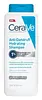 Key Ingredients
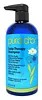
Benefits
Concerns
Ingredients Side-by-side
Zinc Pyrithione 1%
Antiseborrhoeic
Water
Skin ConditioningSodium C14-16 Olefin Sulfonate
Cleansing

Disodium Laureth Sulfosuccinate
CleansingDisodium Cocoamphodiacetate
CleansingSodium Chloride
MaskingGlycol Distearate
Emollient

Amodimethicone

Sodium Lauryl Sulfoacetate
CleansingPPG-5-Ceteth-20
EmulsifyingPotato Starch Modified
Cocamide Mipa
Emulsifying
Ceramide NP
Skin Conditioning





Ceramide AP
Skin Conditioning
Ceramide EOP
Skin Conditioning
Carbomer
Emulsion StabilisingNiacinamide
Smoothing







Trideceth-6
EmulsifyingTriethyl Citrate
Masking

Sodium Hydroxide
BufferingSodium Benzoate
Masking
Sodium Lauroyl Lactylate
EmulsifyingSalicylic Acid
Masking

Sodium Polynaphthalenesulfonate
Emulsion StabilisingSodium Hyaluronate
Humectant
Cholesterol
Emollient
Phenoxyethanol
Preservative
Coco-Betaine
Cleansing
Propylene Glycol
Humectant
Citric Acid
Buffering
Cetrimonium Chloride
Antimicrobial
Caprylyl Glycol
Emollient
Xanthan Gum
EmulsifyingPhytosphingosine
Skin Conditioning
Polyquaternium-10
Acrylates Copolymer
Benzoic Acid
Masking
Zinc Pyrithione 1%, Water, Sodium C14-16 Olefin Sulfonate, Disodium Laureth Sulfosuccinate, Disodium Cocoamphodiacetate, Sodium Chloride, Glycol Distearate, Amodimethicone, Sodium Lauryl Sulfoacetate, PPG-5-Ceteth-20, Potato Starch Modified, Cocamide Mipa, Ceramide NP, Ceramide AP, Ceramide EOP, Carbomer, Niacinamide, Trideceth-6, Triethyl Citrate, Sodium Hydroxide, Sodium Benzoate, Sodium Lauroyl Lactylate, Salicylic Acid, Sodium Polynaphthalenesulfonate, Sodium Hyaluronate, Cholesterol, Phenoxyethanol, Coco-Betaine, Propylene Glycol, Citric Acid, Cetrimonium Chloride, Caprylyl Glycol, Xanthan Gum, Phytosphingosine, Polyquaternium-10, Acrylates Copolymer, Benzoic Acid
Aloe Barbadensis Leaf Juice
Skin Conditioning
Cetyl Hydroxyethylcellulose
Emulsion StabilisingSodium Hydroxide
BufferingKeratin
Skin ConditioningSodium Cocoyl Glutamate
Cleansing
Cocamidopropyl Hydroxysultaine
Cleansing
Polysorbate 20
Emulsifying
Biotin
AntiseborrhoeicPolyquaternium-73
Cocamide Mipa
Emulsifying
Argania Spinosa Kernel Oil
Emollient
Melaleuca Alternifolia Leaf Oil
Antioxidant

Mentha Piperita Oil
Masking
Citrus Limon Peel Oil
Masking
Cedrus Atlantica Bark Oil
Masking
Lavandula Angustifolia Oil
Masking
Salvia Sclarea Oil
Masking
Persea Gratissima Oil
Skin Conditioning
Pogostemon Cablin Leaf Oil
Masking
Isobutylamido Thiazolyl Resorcinol
Bleaching
Riboflavin
Cosmetic ColorantNiacin
SmoothingPantothenic Acid
Skin ConditioningPyridoxine
Skin ConditioningFolic Acid
Skin ConditioningCyanocobalamin
Skin ConditioningAscorbic Acid
Antioxidant
Zinc Gluconate
Skin Conditioning
Tocopherol
Antioxidant
Caprylhydroxamic Acid
ChelatingCaprylyl Glycol
Emollient
Glycerin
Humectant
Citric Acid
Buffering
Aloe Barbadensis Leaf Juice, Cetyl Hydroxyethylcellulose, Sodium Hydroxide, Keratin, Sodium Cocoyl Glutamate, Cocamidopropyl Hydroxysultaine, Polysorbate 20, Biotin, Polyquaternium-73, Cocamide Mipa, Argania Spinosa Kernel Oil, Melaleuca Alternifolia Leaf Oil, Mentha Piperita Oil, Citrus Limon Peel Oil, Cedrus Atlantica Bark Oil, Lavandula Angustifolia Oil, Salvia Sclarea Oil, Persea Gratissima Oil, Pogostemon Cablin Leaf Oil, Isobutylamido Thiazolyl Resorcinol, Riboflavin, Niacin, Pantothenic Acid, Pyridoxine, Folic Acid, Cyanocobalamin, Ascorbic Acid, Zinc Gluconate, Tocopherol, Caprylhydroxamic Acid, Caprylyl Glycol, Glycerin, Citric Acid
Alternatives
Ingredients Explained
These ingredients are found in both products.
Ingredients higher up in an ingredient list are typically present in a larger amount.
Caprylyl Glycol is a humectant, skin conditioner, emollient, and preservative booster derived from either caprylic acid or synthetically created.
Typical use levels vary from 0.3-1% as a preservative booster and go up to 2% to condition skin.
Because it is not a free-fatty acid, this ingredient is fungal acne safe (there's nothing for Malassezia to feed on).
Learn more about Caprylyl GlycolCitric Acid is an alpha hydroxy acid (AHA) naturally found in citrus fruits like oranges, lemons, and limes.
Like other AHAs, citric acid can exfoliate skin by breaking down the bonds that hold dead skin cells together. This helps reveal smoother and brighter skin underneath.
However, this exfoliating effect only happens at high concentrations (20%) which can be hard to find in cosmetic products.
Due to this, citric acid is usually included in small amounts as a pH adjuster. This helps keep products slightly more acidic and compatible with skin's natural pH.
In skincare formulas, citric acid can:
While it can provide some skin benefits, research shows lactic acid and glycolic acid are generally more effective and less irritating exfoliants.
Most citric acid used in skincare today is made by fermenting sugars (usually from molasses). This synthetic version is identical to the natural citrus form but easier to stabilize and use in formulations.
Rosacea skin has a lower threshold for acids generally, with 62.5% of rosacea subjects in one study reacting to lactic acid in a sting test. This is why we mark citric acid as a potential rosacea trigger.
However, this ingredient shows up as a pH adjuster or chelator at roughly 0.1-1% in many products. These low levels are unlikely to be an issue for rosacea skin and becomes a potential trigger at exfoliating concentrations (20%). Because everybody's skin is unique, we recommend a patch test if you are unsure.
Learn more about Citric AcidWe don't have a description for Cocamide Mipa yet.
Sodium Hydroxide is also known as lye or caustic soda. It is used to adjust the pH of products; many ingredients require a specific pH to be effective.
In small amounts, sodium hydroxide is considered safe to use. However, large amounts may cause chemical burns due to its high alkaline.
Your skin has a natural pH and acid mantle. This acid mantle helps prevent harmful bacteria from breaking through. The acid mantle also helps keep your skin hydrated.
"Alkaline" refers to a high pH level. A low pH level would be considered acidic.
Learn more about Sodium Hydroxide

