Caudalie Vinergetic C+ 3-In-1 Vitamin C Energy Moisturizer Versus Caudalie Vinoperfect Dark Circle Brightening Eye Cream with Niacinamide
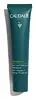
This moisturizer is formulated around Ascorbyl Tetraisopalmitate and Silica to control oil and fade dark spots.
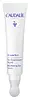
This brightening eye moisturizer is formulated around Caffeine and Niacinamide to fade the look of dark spots and brighten dull-looking skin.

What's inside
What's inside
 Key Ingredients
Benefits
Concerns
Ingredients Side-by-side
Water
Skin ConditioningCoco-Caprylate/Caprate
Emollient
Glycerin
Humectant


Silica
Abrasive


Hexyldecanol
Emollient
Hexyldecyl Laurate
EmollientHexyldecyl Stearate
EmollientShorea Robusta Seed Butter
Emollient

Butyrospermum Parkii Butter Extract
Skin Conditioning
Methylpropanediol
SolventArachidyl Alcohol
Emollient
Palmitoyl Grape Seed Extract
Skin ConditioningC12-16 Alcohols
EmollientPolyacrylate Crosspolymer-6
Emulsion StabilisingBehenyl Alcohol
Emollient
Potassium Cetyl Phosphate
EmulsifyingCI 77891
Cosmetic ColorantAscorbyl Tetraisopalmitate
Antioxidant


Arachidyl Glucoside
EmulsifyingHydrogenated Lecithin
Emulsifying
Lauryl Glucoside
CleansingPalmitic Acid
Emollient


Polyglyceryl-2 Dipolyhydroxystearate
Skin Conditioning
Caprylyl Glycol
Emollient
Xanthan Gum
EmulsifyingHelianthus Annuus Seed Oil
Emollient
Tocopheryl Acetate
Antioxidant

Potassium Sorbate
Preservative
Tocopherol
Antioxidant

Sodium Hyaluronate
Humectant
Citric Acid
Buffering
Phenylpropanol
Masking

Picea Abies Wood Extract
1,2-Hexanediol
Skin Conditioning
Sodium Phytate
ChelatingCI 77491
Cosmetic ColorantBiosaccharide Gum-4
Skin Conditioning
Water, Coco-Caprylate/Caprate, Glycerin, Silica, Hexyldecanol, Hexyldecyl Laurate, Hexyldecyl Stearate, Shorea Robusta Seed Butter, Butyrospermum Parkii Butter Extract, Methylpropanediol, Arachidyl Alcohol, Palmitoyl Grape Seed Extract, C12-16 Alcohols, Polyacrylate Crosspolymer-6, Behenyl Alcohol, Potassium Cetyl Phosphate, CI 77891, Ascorbyl Tetraisopalmitate, Arachidyl Glucoside, Hydrogenated Lecithin, Lauryl Glucoside, Palmitic Acid, Polyglyceryl-2 Dipolyhydroxystearate, Caprylyl Glycol, Xanthan Gum, Helianthus Annuus Seed Oil, Tocopheryl Acetate, Potassium Sorbate, Tocopherol, Sodium Hyaluronate, Citric Acid, Phenylpropanol, Picea Abies Wood Extract, 1,2-Hexanediol, Sodium Phytate, CI 77491, Biosaccharide Gum-4
Water
Skin ConditioningButylene Glycol
Humectant
Caprylic/Capric Triglyceride
Masking
Coco-Caprylate/Caprate
Emollient
Caffeine
Skin Conditioning
Cetearyl Alcohol
Emollient
Cetearyl Glucoside
Emulsifying
Niacinamide
Smoothing


Triheptanoin
Skin ConditioningHydrogenated Vegetable Oil
Emollient
Squalane
Emollient
Palmitoyl Grapevine Shoot Extract
Antioxidant
Oleic Acid
Emollient
Glyceryl Caprylate
EmollientCetyl Alcohol
Emollient
Potassium Cetyl Phosphate
EmulsifyingCarbomer
Emulsion StabilisingTerminalia Arjuna Extract
Skin ConditioningXanthan Gum
EmulsifyingHelianthus Annuus Seed Oil
Emollient
Sodium Dehydroacetate
Preservative
Tocopherol
Antioxidant
Sodium Hydroxide
BufferingLecithin
Emollient
Sodium Phytate
ChelatingWater, Butylene Glycol, Caprylic/Capric Triglyceride, Coco-Caprylate/Caprate, Caffeine, Cetearyl Alcohol, Cetearyl Glucoside, Niacinamide, Triheptanoin, Hydrogenated Vegetable Oil, Squalane, Palmitoyl Grapevine Shoot Extract, Oleic Acid, Glyceryl Caprylate, Cetyl Alcohol, Potassium Cetyl Phosphate, Carbomer, Terminalia Arjuna Extract, Xanthan Gum, Helianthus Annuus Seed Oil, Sodium Dehydroacetate, Tocopherol, Sodium Hydroxide, Lecithin, Sodium Phytate
Reviews
Ingredients Explained
These ingredients are found in both products.
Ingredients higher up in an ingredient list are typically present in a larger amount.
Coco-Caprylate/Caprate is a lightweight ester created from coconut oil fatty acids, caprylic acid, and capric acid.
It is an emollient that helps soften skin and reduce transepidermal water loss (TEWL). What sets it apart from heavier emollients is its ultralight, non-greasy feel.
Once applied, this ingredient dries down quickly and leaves a dry, silky finish behind. This also helps improve spreadability and texture.
This ingredient has an excellent safety-record and is non-irritating.
Typical concentrations for cosmetics range from 0.5-62%.
Research on Malassezia growth found no growth on fatty acid esters with chain lengths shorter than 12 carbons (it prefers C11-24).
Since Coco-Caprylate/Caprate is built on C8 and C10 fatty acids, it is out of the range that Malassezia metabolizes, and therefore safe for fungal acne.
Learn more about Coco-Caprylate/CaprateHelianthus Annuus Seed Oil is a plant oil derived from the seeds of a sunflower.
It is rich in fatty acids, primarily linoleic acid and oleic acid. This gives it emollient and skin conditioning properties.
The reason this ingredient is so effective is because it forms a thin film on the skin that reduces transepidermal water loss (TEWL) while supplying linoleic acid to the stratum corneum to improve barrier strength.
The high linoleic acid content is particularly noteworthy for acne-prone skin.
Research suggests that acne-prone skin tends to be deficient in linoleic acid in sebum. Topical application may help replenish this to support a healthier follicular environment and less comedone-promoting sebum.
One randomized study found sunflower seed oil preserved skin barrier integrity in adult volunteers with and without atopic dermatitis (outperforming olive oil).
This ingredient is well-studied, gentle, and an effective emollient suitable for most skin types.
On fungal acne: This ingredient may not be Fungal acne (Malassezia folliculitis) safe. This is because it contains fatty acids with carbon chain lengths in the C11-C24 range.
Learn more about Helianthus Annuus Seed OilPotassium Cetyl Phosphate is the potassium salt of a mixture. This mixture consists of the esters from phosphoricacid and cetyl alcohol.
Potassium Cetyl Phosphate is an emulsifier and cleansing agent. Emulsifiers help stabilize a product. It does this by preventing certain ingredients from separating.
As a cleansing agent, Potassium Cetyl Phosphate helps gather oils, dirts, and pollutants from your skin. This makes it easier to rinse them away with water.
Learn more about Potassium Cetyl PhosphateSodium Phytate is the sodium salt of Phytic acid, a compound that plants store phosphorus in. It's the plant-derived alternative to ingredients like Disodium EDTA.
In skincare, this ingredient is a chelator that grabs onto trace metal ions like iron and copper that sneak into formulas through water/raw materials.
Those metals speed up oxidation so binding them keeps oils, fragrance, and actives from going off, stops color changes, and helps the preservative system work harder.
Survey data shows usage levels range from 0.0099%-0.5% in leave-on products, 0.025%-0.3% in rinse-off, and up to 0.05% in eye-area products. Suppliers typically recommend a range between 0.05-0.5%.
Learn more about Sodium PhytateTocopherol is a fat-soluble antioxidant known as Vitamin E.
You'll find this ingredient in the vast majority of skincare (for good reason). It works to neutralize free radicals, or unstable molecules generated by UV exposure, pollution, and other environmental stressors, before they can cause oxidative damage to your skin cells.
Topically applied tocopherol has been shown to protect against UV damage by ramping up the skin's own natural defense enzymes.
It also acts as a skin conditioning agent; some studies show that regular topical use can improve the skin's water-binding capacity over 2-4 weeks.
This ingredient is especially loved for being a team player. When combined with Vitamin C, the photoprotective effect of both ingredients roughly doubles and the combo also helps reduce UV-induced DNA damage.
This ingredient has some brightening potential but it's more of a prevention ingredient than spot-fader. Cell studies show it can slow down melanin production but it's worth noting that it's not the most powerful brightener out there.
In formulations, it also serves as a stabilizer that helps protect other oxidation-prone ingredients from degrading.
Concentrations usually range from 0.1-1% in most leave-on products.
Learn more about TocopherolWater. It's the most common cosmetic ingredient of all. You'll usually see it at the top of ingredient lists, meaning that it makes up the largest part of the product.
So why is it so popular? Water most often acts as a solvent - this means that it helps dissolve other ingredients into the formulation.
You'll also recognize water as that liquid we all need to stay alive. If you see this, drink a glass of water. Remember to stay hydrated!
Learn more about WaterXanthan gum is used as a stabilizer and thickener within cosmetic products. It helps give products a sticky, thick feeling - preventing them from being too runny.
On the technical side of things, xanthan gum is a polysaccharide - a combination consisting of multiple sugar molecules bonded together.
Xanthan gum is a pretty common and great ingredient. It is a natural, non-toxic, non-irritating ingredient that is also commonly used in food products.
Learn more about Xanthan Gum

