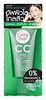
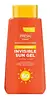
Cathy Doll CC Cream Anti Acne SPF 50 PA+++ Versus Fresh Skinlab Tomato Glass Skin 3 In 1 Vitamin C Invisible Sun Gel SPF 50
This chemical sunscreen covers the full UV range and blocks ~98% of UVB at SPF 50.


What's inside
What's inside
 Key Ingredients
Benefits
Concerns
Ingredients Side-by-side
Water
Skin ConditioningCyclopentasiloxane
Emollient
Glycerin
Humectant


Propylene Glycol
Humectant

Caprylyl Methicone
Skin Conditioning
Titanium Dioxide
Cosmetic Colorant

Cyclohexasiloxane
Emollient
Betaine
Humectant
Cetyl PEG/PPG-10/1 Dimethicone
Emulsifying
Magnesium Sulfate
Dimethicone Crosspolymer
Emulsion Stabilising
Vp/Hexadecene Copolymer
Butylene Glycol
Humectant
Hydroxyacetophenone
Antioxidant
1,2-Hexanediol
Skin Conditioning
Hydrolyzed Collagen
Emollient
Niacinamide
Smoothing







Sodium Hyaluronate
Humectant
Rosa Rugosa Flower Oil
Masking

Salicylic Acid
Masking



Hamamelis Virginiana Bark/Leaf Extract
AstringentBellis Perennis Flower Extract
Skin ConditioningCamellia Sinensis Leaf Extract
Antimicrobial
Centella Asiatica Extract
Cleansing
Ceramide AP
Skin Conditioning
Ceramide EOP
Skin Conditioning
Ceramide NP
Skin Conditioning
Chamomilla Recutita Flower Extract
Masking
Gluconolactone
Skin Conditioning
Glycyrrhiza Glabra Root Extract
Bleaching
Polygonum Cuspidatum Root Extract
Antioxidant
Rosmarinus Officinalis Leaf Extract
AntimicrobialScutellaria Baicalensis Root Extract
Astringent
Zinc PCA
Humectant
CI 77492
Cosmetic ColorantCI 77491
Cosmetic ColorantCI 77499
Cosmetic ColorantWater, Cyclopentasiloxane, Glycerin, Propylene Glycol, Caprylyl Methicone, Titanium Dioxide, Cyclohexasiloxane, Betaine, Cetyl PEG/PPG-10/1 Dimethicone, Magnesium Sulfate, Dimethicone Crosspolymer, Vp/Hexadecene Copolymer, Butylene Glycol, Hydroxyacetophenone, 1,2-Hexanediol, Hydrolyzed Collagen, Niacinamide, Sodium Hyaluronate, Rosa Rugosa Flower Oil, Salicylic Acid, Hamamelis Virginiana Bark/Leaf Extract, Bellis Perennis Flower Extract, Camellia Sinensis Leaf Extract, Centella Asiatica Extract, Ceramide AP, Ceramide EOP, Ceramide NP, Chamomilla Recutita Flower Extract, Gluconolactone, Glycyrrhiza Glabra Root Extract, Polygonum Cuspidatum Root Extract, Rosmarinus Officinalis Leaf Extract, Scutellaria Baicalensis Root Extract, Zinc PCA, CI 77492, CI 77491, CI 77499
Water
Skin ConditioningEthylhexyl Methoxycinnamate
UV Absorber
Propylene Glycol
Humectant
C12-15 Alkyl Benzoate
AntimicrobialMethylene Bis-Benzotriazolyl Tetramethylbutylphenol
UV Filter
Ethylhexyl Triazone
UV Absorber
Alcohol
Antimicrobial
Dimethicone
Emollient
Bis-Ethylhexyloxyphenol Methoxyphenyl Triazine
Skin Conditioning
Sodium Polyacryloyldimethyl Taurate
Emulsion StabilisingHydrogenated Polydecene
EmollientPhenoxyethanol
Preservative
Ethylhexylglycerin
Skin ConditioningDecyl Glucoside
Cleansing
Parfum
Masking

Acrylates/C10-30 Alkyl Acrylate Crosspolymer
Emulsion StabilisingXanthan Gum
EmulsifyingTriethanolamine
BufferingTrideceth-10
CleansingSodium Hyaluronate
Humectant
Solanum Lycopersicum Fruit/Leaf/Stem Extract
AstringentAlpha-Arbutin
Antioxidant
Ascorbyl Glucoside
Antioxidant
Chlorphenesin
Antimicrobial
Water, Ethylhexyl Methoxycinnamate, Propylene Glycol, C12-15 Alkyl Benzoate, Methylene Bis-Benzotriazolyl Tetramethylbutylphenol, Ethylhexyl Triazone, Alcohol, Dimethicone, Bis-Ethylhexyloxyphenol Methoxyphenyl Triazine, Sodium Polyacryloyldimethyl Taurate, Hydrogenated Polydecene, Phenoxyethanol, Ethylhexylglycerin, Decyl Glucoside, Parfum, Acrylates/C10-30 Alkyl Acrylate Crosspolymer, Xanthan Gum, Triethanolamine, Trideceth-10, Sodium Hyaluronate, Solanum Lycopersicum Fruit/Leaf/Stem Extract, Alpha-Arbutin, Ascorbyl Glucoside, Chlorphenesin
Ingredients Explained
These ingredients are found in both products.
Ingredients higher up in an ingredient list are typically present in a larger amount.
Propylene Glycol is a synthetic, colorless, odorless liquid that has been a staple in cosmetics for decades. It is a skin conditioning agent, humectant, and solvent.
As a humectant, it draw water to the skin to reduce flaking and restore suppleness. It's also a solvent that helps dissolve other actives and keeps formulas stable across temperature changes.
The CIR Expert Panel has confirmed this ingredient to be nontoxic and clinical studies show no sensitization at cosmetic use concentrations.
True allergic reactions are quite rare: a 15-year retrospective study of 6,751 patients found only 0.31% had a positive reaction (and less than half were considered clinically relevant).
It seemed that when sensitization does occur, it's most commonly linked to topical medication (like corticosteroids) and not cosmetics. Allergic contact dermatitis also appears largely limited to individuals with underlying skin conditions.
Overall, propylene glycol is a well-studied ingredient that most people can tolerate without issue.
Learn more about Propylene GlycolSodium Hyaluronate is the salt form of hyaluronic acid. It is a long sugar chain that is naturally found in your skin, joints, and connective tissue that maintains hydration and elasticity.
In skincare, it works as a humectant. It pulls water from the environment and deeper layers of skin and binds it to the surface.
Interestingly, the size of the molecule affects its behavior:
Some clinical evidence links low molecular weight versions to improved wrinkle depth, elasticity, anti-inflammatory effects, and barrier repair.
Many serums use a blend of both weights so you can get surface hydration plus longer-lasting and deeper effects.
You'll typically see concentrations between 0.1-2% for this ingredient.
Learn more about Sodium HyaluronateWater. It's the most common cosmetic ingredient of all. You'll usually see it at the top of ingredient lists, meaning that it makes up the largest part of the product.
So why is it so popular? Water most often acts as a solvent - this means that it helps dissolve other ingredients into the formulation.
You'll also recognize water as that liquid we all need to stay alive. If you see this, drink a glass of water. Remember to stay hydrated!
Learn more about Water

