

What's inside
What's inside
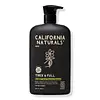 Key Ingredients
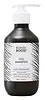
Benefits
Concerns
Ingredients Side-by-side
Water
Skin ConditioningCocamidopropyl Hydroxysultaine
Cleansing
Sodium Methyl 2-Sulfolaurate
CleansingDisodium EDTA
ChelatingDisodium 2-Sulfolaurate
CleansingAloe Barbadensis Leaf Juice
Skin Conditioning


Sodium Lauroyl Methyl Isethionate
CleansingGlycerin
Humectant

Butylene Glycol
Humectant
Dextran
Acetyl Tetrapeptide-3
Skin Protecting
Trifolium Pratense Flower
Skin ConditioningPersea Gratissima Oil
Skin Conditioning




Urtica Dioica Extract
AstringentArgania Spinosa Kernel Oil
Emollient

Cucurbita Pepo Seed Oil
Emollient
Ricinus Communis Seed Oil
Masking
Serenoa Serrulata Fruit Extract
Skin Conditioning
Tocopherol
Antioxidant



Saccharomyces/Xylinum/Black Tea Ferment
Skin Conditioning
Rosmarinus Officinalis Leaf Extract
AntimicrobialBiotin
AntiseborrhoeicPanthenol
Skin Conditioning
Nigella Sativa Seed Oil
Emollient
Lactobacillus Ferment
Skin Conditioning
Citrus Aurantium Bergamia Fruit Oil
Masking

Zinc Gluconate
Skin Conditioning


Adenosine
Skin Conditioning
Caffeine
Skin Conditioning
Charcoal
Abrasive
Ethylhexylglycerin
Skin ConditioningSodium Benzoate
Masking
Potassium Sorbate
Preservative
Lactic Acid
Buffering

Iron Oxides
Galactoarabinan
Parfum
Masking
Water, Cocamidopropyl Hydroxysultaine, Sodium Methyl 2-Sulfolaurate, Disodium EDTA, Disodium 2-Sulfolaurate, Aloe Barbadensis Leaf Juice, Sodium Lauroyl Methyl Isethionate, Glycerin, Butylene Glycol, Dextran, Acetyl Tetrapeptide-3, Trifolium Pratense Flower, Persea Gratissima Oil, Urtica Dioica Extract, Argania Spinosa Kernel Oil, Cucurbita Pepo Seed Oil, Ricinus Communis Seed Oil, Serenoa Serrulata Fruit Extract, Tocopherol, Saccharomyces/Xylinum/Black Tea Ferment, Rosmarinus Officinalis Leaf Extract, Biotin, Panthenol, Nigella Sativa Seed Oil, Lactobacillus Ferment, Citrus Aurantium Bergamia Fruit Oil, Zinc Gluconate, Adenosine, Caffeine, Charcoal, Ethylhexylglycerin, Sodium Benzoate, Potassium Sorbate, Lactic Acid, Iron Oxides, Galactoarabinan, Parfum
Aloe Barbadensis Leaf Juice
Skin Conditioning
Sodium Methyl Cocoyl Taurate
Cleansing
Cocamidopropyl Betaine
Cleansing
Decyl Glucoside
Cleansing
Coco-Glucoside
Cleansing
Glyceryl Oleate
Emollient
Propanediol
Solvent
Hydrolyzed Quinoa
Skin ConditioningPolyquaternium-10
Potassium Sorbate
Preservative
Olea Europaea Fruit Oil
Masking
Mentha Piperita Oil
Masking

Hippophae Rhamnoides Fruit Oil
Skin Protecting
Mentha Arvensis Callus Lysate
Antioxidant
Hydrolyzed Jojoba Esters
Skin Conditioning
Linum Usitatissimum Seed Oil
Perfuming
Squalane
Emollient
Helianthus Annuus Seed Oil
Emollient
Macadamia Integrifolia Seed Oil
Skin Conditioning
Rosmarinus Officinalis Leaf Extract
AntimicrobialSerenoa Serrulata Fruit Extract
Skin Conditioning
Hibiscus Sabdariffa Flower Extract
Skin ConditioningHylocereus Undatus Fruit Extract
Skin ConditioningUrtica Dioica Leaf Extract
Skin ConditioningEquisetum Arvense Leaf Extract
AstringentChamomilla Recutita Flower Extract
Masking
Redensyl
Pentylene Glycol
Skin Conditioning
Caprylyl Glycol
Emollient
Ethylhexylglycerin
Skin ConditioningCitric Acid
Buffering
Aloe Barbadensis Leaf Juice, Sodium Methyl Cocoyl Taurate, Cocamidopropyl Betaine, Decyl Glucoside, Coco-Glucoside, Glyceryl Oleate, Propanediol, Hydrolyzed Quinoa, Polyquaternium-10, Potassium Sorbate, Olea Europaea Fruit Oil, Mentha Piperita Oil, Hippophae Rhamnoides Fruit Oil, Mentha Arvensis Callus Lysate, Hydrolyzed Jojoba Esters, Linum Usitatissimum Seed Oil, Squalane, Helianthus Annuus Seed Oil, Macadamia Integrifolia Seed Oil, Rosmarinus Officinalis Leaf Extract, Serenoa Serrulata Fruit Extract, Hibiscus Sabdariffa Flower Extract, Hylocereus Undatus Fruit Extract, Urtica Dioica Leaf Extract, Equisetum Arvense Leaf Extract, Chamomilla Recutita Flower Extract, Redensyl, Pentylene Glycol, Caprylyl Glycol, Ethylhexylglycerin, Citric Acid
Ingredients Explained
These ingredients are found in both products.
Ingredients higher up in an ingredient list are typically present in a larger amount.
Aloe Barbadensis Leaf Juice is the filtered, stabilized liquid pressed from the inner gel of the aloe vera leaf.
In cosmetics, it shows up as either soothing active or a water-replacement base. It is roughly 98-99% water and the last 1-2% is an interesting mix of polysaccharides, amino acids, vitamins, minerals, and enzymes.
The polysaccharides do most of the work: they bind water at the skin surface for a light, non-greasy hydration boost. And one of the polysaccharides, glycomannan, is linked to fibroblast stimulation + collagen synthesis. This is also why aloe has such a long track record in wound and burn healing.
This ingredient is also calming with anti-inflammatory and mild antimicrobial activity, making it a great pick for sensitive, irritated, or post-sun skin.
Realistic expectations matter though; the solid evidence is mostly limited to hydration, soothing, and wound support. Deeper claims about anti-aging or sun protection are not well backed, and science reviews note it does not prevent radiation-induced skin injury.
Because it plays well with almost everything, it's commonly used as a base alongside other actives like niacinamide or vitamin C.
Typical usage concentrations range from 0.5% (where hydration benefits already show up) all the way to 90%+ (where it replaces water as the main base).
The safety for this ingredient is well-establish as well. Overall, this is a great supporting ingredient for those who want a boost in hydration.
Learn more about Aloe Barbadensis Leaf JuiceEthylhexylglycerin is created from glycerin. It is a multitasker ingredient that:
The CIR Expert Panel found minimal skin absorption or sensitization of any kind in a safety assessment. Though this ingredient is considered well-tolerated, a small number of cases of allergic dermatitis have been published since 2002. Just be sure to patch test if you are unsure.
Industry-reported use ranges from 8% in rinse-off products and 2% in leave-on formulations.
Learn more about EthylhexylglycerinPotassium Sorbate is a preservative used to prevent yeast and mold in products. It is commonly found in both cosmetic and food products.
This ingredient comes from potassium salt derived from sorbic acid. Sorbic acid is a natural antibiotic and effective against fungus.
Both potassium sorbate and sorbic acid can be found in baked goods, cheeses, dried meats, dried fruit, ice cream, pickles, wine, yogurt, and more.
You'll often find this ingredient used with other preservatives.
Learn more about Potassium SorbateThis is a botanical extract from the rosemary plant (the same one you cook with). In skincare, it mostly works as a skin conditioning agent.
Its activity comes from a handful of polyphenols, carnosic acid, carnosol, and rosmarinic acid. Almost 90% of the antioxidant activity of this ingredient can be attributed to canosol and carnosic acid.
These compounds protect your skin two ways:
1) They fight off free radicals, or the unstable molecules from things like sun and pollution that age and damage skin.
2) They help calm inflammation by switching off the chemical signals that tell skin to get red and irritated.
Lab studies also suggest that rosmarinic acid may help protect collagen and slow sugar-related damage to it.
The Cosmetic Ingredient Review has concluded rosemary-derived ingredients to be safe when formulated to be non-sensitizing.
Rosemary can occasionally cause allergic contact dermatitis (due to carnosol), so be sure to patch test if you have reactive or fragrance-sensitive skin.
Learn more about Rosmarinus Officinalis Leaf ExtractSerenoa Serrulata Fruit Extract can be good for oily skin.


