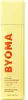
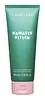
BYOMA Creamy Jelly Cleanser Versus I Dew Care NAMASTE KITTEN Clarifying Cannabis Sativa (Hemp) Seed Oil Cleanser
This mild gel cleanser is made to cleanse while respecting your skin barrier.


What's inside
What's inside
 Key Ingredients
Benefits
Concerns
Ingredients Side-by-side
Water
Skin ConditioningCocamidopropyl Betaine
Cleansing



Disodium Laureth Sulfosuccinate
CleansingSodium Lauryl Sulfoacetate
CleansingSodium Methyl Cocoyl Taurate
Cleansing
Decyl Glucoside
Cleansing
Cocamide Methyl Mea
Foam Boosting
Stearic Acid
Cleansing


Hydrogenated Lecithin
Emulsifying
Sodium Chloride
MaskingPropylene Glycol
Humectant
Glycerin
Humectant
Ceramide NP
Skin Conditioning



Cholesterol
Emollient
Phytosphingosine
Skin Conditioning
Caprylic/Capric Triglyceride
Masking
Glycyrrhiza Glabra Root Extract
Bleaching

Allantoin
Skin Conditioning
Oleic Acid
Emollient
Lactic Acid
Buffering



Camellia Sinensis Leaf Extract
Antimicrobial
Tocopheryl Acetate
Antioxidant
Sodium Benzoate
Masking
Potassium Sorbate
Preservative
Phenoxyethanol
Preservative
Water, Cocamidopropyl Betaine, Disodium Laureth Sulfosuccinate, Sodium Lauryl Sulfoacetate, Sodium Methyl Cocoyl Taurate, Decyl Glucoside, Cocamide Methyl Mea, Stearic Acid, Hydrogenated Lecithin, Sodium Chloride, Propylene Glycol, Glycerin, Ceramide NP, Cholesterol, Phytosphingosine, Caprylic/Capric Triglyceride, Glycyrrhiza Glabra Root Extract, Allantoin, Oleic Acid, Lactic Acid, Camellia Sinensis Leaf Extract, Tocopheryl Acetate, Sodium Benzoate, Potassium Sorbate, Phenoxyethanol
Water
Skin ConditioningPEG-8
HumectantStearic Acid
Cleansing
Myristic Acid
Cleansing
Potassium Hydroxide
BufferingGlycerin
Humectant
Lauric Acid
Cleansing
Palmitic Acid
Emollient
Cannabis Sativa Seed Oil
Emollient
Mentha Rotundifolia Leaf Extract
TonicPinus Pinaster Bark Extract
Antioxidant
Mentha Piperita Oil
Masking



Mentha Piperita Extract
CleansingCocos Nucifera Fruit Extract
Emollient
Houttuynia Cordata Extract
Skin Conditioning
Butylene Glycol
Humectant
Coco-Glucoside
Cleansing
Glyceryl Stearate Se
Emulsifying
Polyquaternium-7
PEG-14m
Emulsion StabilisingArachidic Acid
Cleansing
Sodium Cocoyl Isethionate
Cleansing
1,2-Hexanediol
Skin Conditioning
Sodium Phytate
ChelatingOleic Acid
Emollient
Sodium Benzoate
Masking
Caprylyl Glycol
Emollient
Quillaja Saponaria Bark Extract
CleansingSilica
Abrasive
Phenoxyethanol
Preservative
Citric Acid
Buffering
Cimicifuga Racemosa Root Extract
Antimicrobial
Resveratrol
Antioxidant
Silybum Marianum Extract
Skin Conditioning
Ethylhexylglycerin
Skin ConditioningCI 42090
Cosmetic ColorantCI 19140
Cosmetic ColorantParfum
Masking
Water, PEG-8, Stearic Acid, Myristic Acid, Potassium Hydroxide, Glycerin, Lauric Acid, Palmitic Acid, Cannabis Sativa Seed Oil, Mentha Rotundifolia Leaf Extract, Pinus Pinaster Bark Extract, Mentha Piperita Oil, Mentha Piperita Extract, Cocos Nucifera Fruit Extract, Houttuynia Cordata Extract, Butylene Glycol, Coco-Glucoside, Glyceryl Stearate Se, Polyquaternium-7, PEG-14m, Arachidic Acid, Sodium Cocoyl Isethionate, 1,2-Hexanediol, Sodium Phytate, Oleic Acid, Sodium Benzoate, Caprylyl Glycol, Quillaja Saponaria Bark Extract, Silica, Phenoxyethanol, Citric Acid, Cimicifuga Racemosa Root Extract, Resveratrol, Silybum Marianum Extract, Ethylhexylglycerin, CI 42090, CI 19140, Parfum
Reviews
Ingredients Explained
These ingredients are found in both products.
Ingredients higher up in an ingredient list are typically present in a larger amount.
Glycerin (or glycerol) is a compound naturally found in your skin. It's a powerhouse humectant that pulls water into the stratum corneum.
Topically, glycerin does several things at once:
Your skin makes glycerin on its own (mostly from sebaceous oil breakdown) and shuttles it to your outermost layer of skin, or your epidermis, via aquaporin-3.
Aquaporin-3 is a transporter that is essential for normal skin hydration, elasticity, and repair. Interestingly, mice lacking in AQP3 have dry and less elastic skin that can be fully corrected with glycerin.
This ingredient is non-irritating, plays well with almost every ingredient, and works across all skin types. Typical use is anywhere between 3-10% but can go up to 79% in some leave-on products.
Just know very high concentrations (>40%) can feel tacky in low humidity.
Glycerin is the name for this ingredient in American English. British English uses Glycerol/Glycerine.
Learn more about GlycerinOleic Acid is an Omega-9 fatty acid that can be found naturally in your skin's sebum and in many plant oils such as avocado and olive oil.
It is an emollient that helps soften skin and prevent moisture loss.
Research shows:
A 1998 study did find that applying oleic acid at higher concentrations may cause irritation and disrupt the skin barrier. Modern formulations typically use low levels that is well-tolerated.
The culprit behind fungal acne, the Malassezia yeast, feeds on fatty acids with carbon chain lengths between C11-C24. Oleic Acid, at C18, falls right into that sweet spot.
In vitro studies have shown that Oleic Acid is one of the fatty acids that induce rapid Malassezia growth in lab settings.
Oleic Acid is widely listed with a comedogenic rating but no published study has ever actually assigned it one.
The 0 to 5 scale everyone quotes comes from Fulton's 1989 survey in the Journal of the Society of Cosmetic Chemists and Oleic Acid does not appear in his fatty acid tables at all; what he did test were related ingredients built from it, like Decyl Oleate and Oleyl Alcohol (which did get ratings).
Somewhere along the way people seem to have borrowed those numbers for Oleic Acid itself.
So why is it considered comedogenic? Oleic Acid has been studied. Researchers in 1971 and 1983 applied it to rabbit ears (the standard test back then) and it did clog pores. The 1983 study also found something useful: oxidized Oleic Acid, meaning the kind that's gone rancid, clogged pores noticeably more than fresh Oleic Acid did.
It's just worth keeping in mind that these tests used rabbit skin which reacts more easily than ours. They also used much higher concentrations than you'd ever find in a real product.
A 2006 study on actual people found finished products made with comedogenic ingredients often turn out not to be comedogenic at all. As always, listen to your skin.
Learn more about Oleic AcidPhenoxyethanol is one of the most widely used preservatives in skincare (and for good reason!).
It has a large spectrum of antimicrobial activity and especially effective bacteria, yeast, and mold while only having a weak effect on your skin's natural microbiome.
On a cellular level, it disrupts the cell membranes of microbes by poking holes that make the cell leak. This shuts down the chemical reactions the microbe needs to make energy so it can no longer survive.
Another perk of this ingredient is that it stays functional across a wide pH range (3-10).
You'll often see it paired with boosters like Ethylhexylglycerin; one study showed that a 1:9 ratio of Ethylhexylglycerin to Phenoxyethanol damages bacterial membranes as effectively as doubling the Phenoxyethanol concentration on its own.
Typical use concentrations range from 0.3-1% depending on the formula, and this ingredient is capped at 1% int the EU.
Safety-wise, the fear mongering does not hold up to the evidence. The EU's Scientific Committee on Consumer Safety and FDA consider it safe as a preservative at up to 1%, including for children of all ages.
Adverse systemic effects only showed up in animal studies at exposures roughly 200x higher than what people get from cosmetics. And despite its very widespread use, this ingredient is a rare sensitizer and allergic reactions are uncommon.
Learn more about PhenoxyethanolSodium Benzoate is a preservative. It's used in both cosmetic and food products to inhibit the growth of mold and bacteria. It is typically produced synthetically.
Both the US FDA and EU Health Committee have approved the use of sodium benzoate. In the US, levels of 0.1% (of the total product) are allowed.
Sodium benzoate works as a preservative by inhibiting the growth of bacteria inside of cells. It prevents the cell from fermenting a type of sugar using an enzyme called phosphofructokinase.
It is the salt of benzoic acid. Foods containing sodium benzoate include soda, salad dressings, condiments, fruit juices, wines, and snack foods.
Studies for using ascorbic acid and sodium benzoate in cosmetics are lacking, especially in skincare routines with multiple steps.
We always recommend speaking with a professional, such as a dermatologist, if you have any concerns.
Learn more about Sodium BenzoateStearic Acid is a fatty acid that is already found in your skin. It's one of the free fatty acids that works alongside ceramides and cholesterols to maintain your barrier.
In cosmetics, it is a multitasker:
Safety-wise, the CIR Expert Panel has concluded it to be safe in cosmetics when formulated to be non-irritating and non-sensitizing.
Free stearic acid is a C18 fatty acid that the Malassezia yeast can substrate, so this ingredient may not be fungal acne safe.
This ingredient does have a comedogenic rating of 2-3, but this doesn't mean a formula with this ingredient will clog pores.
Human testing has proved that any finished product with this ingredient won't automatically make you break out; it really comes down to concentration, formula, and your skin.
Learn more about Stearic AcidWater. It's the most common cosmetic ingredient of all. You'll usually see it at the top of ingredient lists, meaning that it makes up the largest part of the product.
So why is it so popular? Water most often acts as a solvent - this means that it helps dissolve other ingredients into the formulation.
You'll also recognize water as that liquid we all need to stay alive. If you see this, drink a glass of water. Remember to stay hydrated!
Learn more about Water

