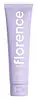
This mild gel cleanser is made to cleanse while respecting your skin barrier.
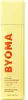
This malic acid cream cleanser is formulated around Malic Acid to exfoliate and smooth skin.

What's inside
What's inside
 Key Ingredients
Benefits
Concerns
Ingredients Side-by-side
Water
Skin ConditioningCocamidopropyl Betaine
Cleansing



Disodium Laureth Sulfosuccinate
CleansingSodium Lauryl Sulfoacetate
CleansingSodium Methyl Cocoyl Taurate
Cleansing
Decyl Glucoside
Cleansing
Cocamide Methyl Mea
Foam Boosting
Stearic Acid
Cleansing


Hydrogenated Lecithin
Emulsifying
Sodium Chloride
MaskingPropylene Glycol
Humectant
Glycerin
Humectant
Ceramide NP
Skin Conditioning



Cholesterol
Emollient
Phytosphingosine
Skin Conditioning
Caprylic/Capric Triglyceride
Masking
Glycyrrhiza Glabra Root Extract
Bleaching

Allantoin
Skin Conditioning
Oleic Acid
Emollient
Lactic Acid
Buffering



Camellia Sinensis Leaf Extract
Antimicrobial
Tocopheryl Acetate
Antioxidant
Sodium Benzoate
Masking
Potassium Sorbate
Preservative
Phenoxyethanol
Preservative
Water, Cocamidopropyl Betaine, Disodium Laureth Sulfosuccinate, Sodium Lauryl Sulfoacetate, Sodium Methyl Cocoyl Taurate, Decyl Glucoside, Cocamide Methyl Mea, Stearic Acid, Hydrogenated Lecithin, Sodium Chloride, Propylene Glycol, Glycerin, Ceramide NP, Cholesterol, Phytosphingosine, Caprylic/Capric Triglyceride, Glycyrrhiza Glabra Root Extract, Allantoin, Oleic Acid, Lactic Acid, Camellia Sinensis Leaf Extract, Tocopheryl Acetate, Sodium Benzoate, Potassium Sorbate, Phenoxyethanol
Water
Skin ConditioningSodium Acrylate/Sodium Acryloyldimethyl Taurate Copolymer
Emulsion StabilisingGlycol Stearate
Emollient
Cetyl Alcohol
Emollient
Glycerin
Humectant
Malic Acid
Buffering
Mandelic Acid
Antimicrobial
Gallic Acid
Antioxidant
Panthenol
Skin Conditioning
Cyanocobalamin
Skin ConditioningAloe Barbadensis Leaf Juice
Skin Conditioning
Ethylhexylglycerin
Skin ConditioningSalix Alba Bark Extract
Astringent
Lactic Acid
Buffering
Glycolic Acid
Buffering
Elettaria Cardamomum Seed Extract
Perfuming
Santalum Album Wood Extract
Perfuming
Rose Extract
Skin ConditioningPyrus Malus Fruit Extract
Skin Conditioning
Chamomilla Recutita Extract
Skin Conditioning
Saponaria Officinalis Leaf/Root Extract
Skin ConditioningSalvia Officinalis Leaf Extract
CleansingNasturtium Officinale Extract
Perfuming
Hedera Helix Leaf Extract
Skin ConditioningFucus Vesiculosus Extract
Emollient
Citrus Limon Peel Extract
EmollientArctium Majus Root Extract
Skin Conditioning
Rubus Idaeus Fruit Extract
AstringentTocopherol
Antioxidant
Lavandula Angustifolia Flower/Leaf/Stem Extract
Masking
Jasminum Officinale Flower/Leaf Extract
Masking
Cucumis Sativus Fruit Extract
Emollient
Cucumis Melo Fruit Extract
Skin ConditioningCitrus Aurantium Dulcis Peel Extract
Emulsion Stabilising
Cananga Odorata Flower Extract
Perfuming
Anthemis Nobilis Flower Extract
Masking
Caprylic/Capric Triglyceride
Masking
Disodium Laureth Sulfosuccinate
CleansingGlyceryl Stearate
Emollient
Sodium Methyl Cocoyl Taurate
Cleansing
Sodium Cocoyl Isethionate
Cleansing
Cocamidopropyl Betaine
Cleansing
Phenoxyethanol
Preservative
Sodium Benzoate
Masking
Potassium Sorbate
Preservative
Citric Acid
Buffering
Hydroxycitronellal
Perfuming
Water, Sodium Acrylate/Sodium Acryloyldimethyl Taurate Copolymer, Glycol Stearate, Cetyl Alcohol, Glycerin, Malic Acid, Mandelic Acid, Gallic Acid, Panthenol, Cyanocobalamin, Aloe Barbadensis Leaf Juice, Ethylhexylglycerin, Salix Alba Bark Extract, Lactic Acid, Glycolic Acid, Elettaria Cardamomum Seed Extract, Santalum Album Wood Extract, Rose Extract, Pyrus Malus Fruit Extract, Chamomilla Recutita Extract, Saponaria Officinalis Leaf/Root Extract, Salvia Officinalis Leaf Extract, Nasturtium Officinale Extract, Hedera Helix Leaf Extract, Fucus Vesiculosus Extract, Citrus Limon Peel Extract, Arctium Majus Root Extract, Rubus Idaeus Fruit Extract, Tocopherol, Lavandula Angustifolia Flower/Leaf/Stem Extract, Jasminum Officinale Flower/Leaf Extract, Cucumis Sativus Fruit Extract, Cucumis Melo Fruit Extract, Citrus Aurantium Dulcis Peel Extract, Cananga Odorata Flower Extract, Anthemis Nobilis Flower Extract, Caprylic/Capric Triglyceride, Disodium Laureth Sulfosuccinate, Glyceryl Stearate, Sodium Methyl Cocoyl Taurate, Sodium Cocoyl Isethionate, Cocamidopropyl Betaine, Phenoxyethanol, Sodium Benzoate, Potassium Sorbate, Citric Acid, Hydroxycitronellal
Reviews
Ingredients Explained
These ingredients are found in both products.
Ingredients higher up in an ingredient list are typically present in a larger amount.
Caprylic/Capric Triglyceride (aka MCT Oil) is a lightweight emollient, solvent, and texture enhancer. It is considered a skin-softener by helping to prevent moisture loss.
Though it behaves like an oil, it is not technically one due to its chemical composition. One perk of this ingredient is that it is very stable, resistant to oxidation, and unlikely to go rancid.
In practice, that translates to a long shelf life and a consistently elegant skin feel.
While there is an assumption Caprylic Triglyceride can clog pores due to it being derived from coconut oil, there is no research supporting this. Just patch test if you have concerns.
Fractionated coconut oil and MCT Oil are both listed as Caprylic/Capric Triglyceride according to INCI. This is because INCI names are based on the ingredient’s final chemical composition and not its marketing name or source.
This ingredient is treated as the gold standard fungal acne safe oil. Even though it is coconut derived, the problematic lauric acid is stripped out.
This leaves just caprylic (C8) and capric (C10) acid. These chain lengths actually trend antifungal; a 2020 study found caprylic acid was enough to disrupt Malassezia furfur cell membrane, with a caprylic acid derivative damaging membrane structures at concentrations as low as 0.2%.
Learn more about Caprylic/Capric TriglycerideCocamidopropyl Betaine is a fatty acid created by mixing similar compounds in coconut oil and dimethylaminopropylamine, a compound with two amino groups.
This ingredient is a surfactant and cleanser. It helps gather the dirt, pollutants, and other impurities in your skin to be washed away. It also helps thicken a product and make the texture more creamy.
Being created from coconut oil means Cocamidopropyl Betaine is hydrating for the skin.
While Cocamidopropyl Betaine was believed to be an allergen, a study from 2012 disproved this. It found two compounds in unpure Cocamidopropyl Betaine to be the irritants: aminoamide and 3-dimethylaminopropylamine. High-grade and pure Cocamidopropyl Betaine did not induce allergic reactions during this study.
Learn more about Cocamidopropyl BetaineThis ingredient is a cleansing agent, surfactant, and foam booster. It considered an alternative to traditional sulfates (Sulfosuccinate) and is allowed in "sulfate-free" products.
According to a manufacturer, this ingredient is mild and can be used in baby and bath options.
Glycerin (or glycerol) is a compound naturally found in your skin. It's a powerhouse humectant that pulls water into the stratum corneum.
Topically, glycerin does several things at once:
Your skin makes glycerin on its own (mostly from sebaceous oil breakdown) and shuttles it to your outermost layer of skin, or your epidermis, via aquaporin-3.
Aquaporin-3 is a transporter that is essential for normal skin hydration, elasticity, and repair. Interestingly, mice lacking in AQP3 have dry and less elastic skin that can be fully corrected with glycerin.
This ingredient is non-irritating, plays well with almost every ingredient, and works across all skin types. Typical use is anywhere between 3-10% but can go up to 79% in some leave-on products.
Just know very high concentrations (>40%) can feel tacky in low humidity.
Glycerin is the name for this ingredient in American English. British English uses Glycerol/Glycerine.
Learn more about GlycerinLactic Acid is another well-loved alpha hydroxy acid (AHA). It is gentler than glycolic acid but still highly effective.
Its main role is to exfoliate the surface of the skin by loosening the “glue” that holds dead skin cells together. Shedding those old cells leads to smoother, softer, and more even-toned skin.
Because lactic acid molecules are larger than glycolic acid, they don’t penetrate as deeply. This means they’re less likely to sting or irritate, making it a great choice for beginners or those with sensitive skin.
Like glycolic acid, it can:
Lactic acid also acts as a humectant (like hyaluronic acid). It can draw water into the skin to improve hydration and also plays a role in the skin's natural moisturizing factor (NMF) in the form of sodium lactate.
Studies show it can boost ceramide production to strengthen the skin barrier and even help balance the skin’s microbiome.
To get results, choose products with a pH between 3-4.
Lower strengths (5-12%) focus on surface exfoliation; higher strengths (12% and up) can reach deeper in the dermis (deeper, supportive layer) to improve skin texture and firmness over time.
Though it was originally derived from milk, most modern lactic acid used in skincare is vegan. It is made through non-dairy fermentation to create a bio-identical and stable form suitable for all formulations.
When lactic acid shows up near the end of an ingredient list, it usually means the brand added just a tiny amount to adjust the product’s pH.
Legend has it that Cleopatra used to bathe in sour milk to help reduce wrinkles.
Lactic acid is truly a gentle multitasker: it exfoliates, hydrates, strengthens, and brightens. It's a great ingredient for giving your skin a smooth, glowing, and healthy look without the harshness of stronger acids.
Read more about some other popular AHA's here:
Learn more about Lactic AcidPhenoxyethanol is one of the most widely used preservatives in skincare (and for good reason!).
It has a large spectrum of antimicrobial activity and especially effective bacteria, yeast, and mold while only having a weak effect on your skin's natural microbiome.
On a cellular level, it disrupts the cell membranes of microbes by poking holes that make the cell leak. This shuts down the chemical reactions the microbe needs to make energy so it can no longer survive.
Another perk of this ingredient is that it stays functional across a wide pH range (3-10).
You'll often see it paired with boosters like Ethylhexylglycerin; one study showed that a 1:9 ratio of Ethylhexylglycerin to Phenoxyethanol damages bacterial membranes as effectively as doubling the Phenoxyethanol concentration on its own.
Typical use concentrations range from 0.3-1% depending on the formula, and this ingredient is capped at 1% int the EU.
Safety-wise, the fear mongering does not hold up to the evidence. The EU's Scientific Committee on Consumer Safety and FDA consider it safe as a preservative at up to 1%, including for children of all ages.
Adverse systemic effects only showed up in animal studies at exposures roughly 200x higher than what people get from cosmetics. And despite its very widespread use, this ingredient is a rare sensitizer and allergic reactions are uncommon.
Learn more about PhenoxyethanolPotassium Sorbate is a preservative used to prevent yeast and mold in products. It is commonly found in both cosmetic and food products.
This ingredient comes from potassium salt derived from sorbic acid. Sorbic acid is a natural antibiotic and effective against fungus.
Both potassium sorbate and sorbic acid can be found in baked goods, cheeses, dried meats, dried fruit, ice cream, pickles, wine, yogurt, and more.
You'll often find this ingredient used with other preservatives.
Learn more about Potassium SorbateSodium Benzoate is a preservative. It's used in both cosmetic and food products to inhibit the growth of mold and bacteria. It is typically produced synthetically.
Both the US FDA and EU Health Committee have approved the use of sodium benzoate. In the US, levels of 0.1% (of the total product) are allowed.
Sodium benzoate works as a preservative by inhibiting the growth of bacteria inside of cells. It prevents the cell from fermenting a type of sugar using an enzyme called phosphofructokinase.
It is the salt of benzoic acid. Foods containing sodium benzoate include soda, salad dressings, condiments, fruit juices, wines, and snack foods.
Studies for using ascorbic acid and sodium benzoate in cosmetics are lacking, especially in skincare routines with multiple steps.
We always recommend speaking with a professional, such as a dermatologist, if you have any concerns.
Learn more about Sodium BenzoateSodium Methyl Cocoyl Taurate is a gentle, coconut-derived cleansing surfactant. It's most commonly found in "sulfate-free" cleansers.
As a taurate, it belongs to a class of anionic surfactants prized for being efficient at cleansing without harshness, good performance in hard water, stability across a wide pH range, and easily biodegradable.
It is able to lift away oil and grime and make a nice lather without stripping your skin, so it's a good pick for sensitive skin.
Safety-wise, it has a good record. The CIR Expert Panel has concluded this ingredient to be safe in cosmetics and concentrations go up to 11% in leave-on products or 13% in rinse-off products.
Despite being derived from coconut oil, this ingredient is fungal acne safe. It's a water-soluble surfactant with no fatty oils or esters left intact on skin for the Malassezia yeast to feed.
Learn more about Sodium Methyl Cocoyl TaurateWater. It's the most common cosmetic ingredient of all. You'll usually see it at the top of ingredient lists, meaning that it makes up the largest part of the product.
So why is it so popular? Water most often acts as a solvent - this means that it helps dissolve other ingredients into the formulation.
You'll also recognize water as that liquid we all need to stay alive. If you see this, drink a glass of water. Remember to stay hydrated!
Learn more about Water

