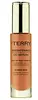
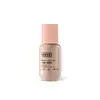
By Terry Brightening CC Serum - Radiance Color Correction Versus Versed Mood Lighting Luminizing Glow Drops


What's inside
What's inside
 Key Ingredients
Benefits
Concerns
Ingredients Side-by-side
Water
Skin ConditioningGlycereth-7
HumectantBis-PEG-18 Methyl Ether Dimethyl Silane
EmollientDimethicone
Emollient
Butylene Glycol
Humectant
Mica
Cosmetic Colorant
PEG-7 Methyl Ether
SolventPEG-32
HumectantBoron Nitride
AbsorbentNylon-12

CI 77891
Cosmetic ColorantCyclomethicone
Emollient
Dimethicone Crosspolymer
Emulsion Stabilising
Glycerin
Humectant


CI 77491
Cosmetic ColorantTocopherol
Antioxidant


CI 77163
Cosmetic ColorantAcrylates/Palmeth-25 Acrylate Copolymer
Phenoxyethanol
Preservative
Chlorphenesin
Antimicrobial
Ethylparaben
Preservative
Parfum
Masking

Polymethylsilsesquioxane
Styrene/Acrylamide Copolymer
Potassium Hydroxide
BufferingCI 77492
Cosmetic ColorantBenzophenone-4
UV Absorber
CI 77499
Cosmetic ColorantCyclotetrasiloxane
Emollient
Helianthus Annuus Seed Oil
Emollient

Xanthan Gum
EmulsifyingPotassium Sorbate
Preservative
Papain
Skin ConditioningBHT
Antioxidant
Rosa Alba Leaf Cell Extract
Antioxidant
Ceramide AP
Skin Conditioning

1,2-Hexanediol
Skin Conditioning
Caprylyl Glycol
Emollient
Carbomer
Emulsion StabilisingRosmarinus Officinalis Leaf Extract
AntimicrobialAlgin
Masking
CI 75470
Cosmetic ColorantLecithin
Emollient
Methylparaben
Preservative
Water, Glycereth-7, Bis-PEG-18 Methyl Ether Dimethyl Silane, Dimethicone, Butylene Glycol, Mica, PEG-7 Methyl Ether, PEG-32, Boron Nitride, Nylon-12, CI 77891, Cyclomethicone, Dimethicone Crosspolymer, Glycerin, CI 77491, Tocopherol, CI 77163, Acrylates/Palmeth-25 Acrylate Copolymer, Phenoxyethanol, Chlorphenesin, Ethylparaben, Parfum, Polymethylsilsesquioxane, Styrene/Acrylamide Copolymer, Potassium Hydroxide, CI 77492, Benzophenone-4, CI 77499, Cyclotetrasiloxane, Helianthus Annuus Seed Oil, Xanthan Gum, Potassium Sorbate, Papain, BHT, Rosa Alba Leaf Cell Extract, Ceramide AP, 1,2-Hexanediol, Caprylyl Glycol, Carbomer, Rosmarinus Officinalis Leaf Extract, Algin, CI 75470, Lecithin, Methylparaben
Water
Skin ConditioningCaprylic/Capric Triglyceride
Masking
Propanediol
Solvent
Glycerin
Humectant
Prunus Amygdalus Dulcis Oil
Skin Conditioning
Cetyl Alcohol
Emollient
Sucrose Stearate
EmollientPolyglutamic Acid
Skin Conditioning
Rubus Fruticosus Fruit Extract
AstringentVinegar
Phytic Acid




Tocopherol
Antioxidant
Tocopheryl Acetate
Antioxidant
Glyceryl Oleate Citrate
Emulsifying
Polyglyceryl-6 Polyricinoleate
Emulsifying
Hydroxyacetophenone
Antioxidant
Xanthan Gum
Emulsifying1,2-Hexanediol
Skin Conditioning
Caprylyl Glycol
Emollient
Potassium Hydroxide
BufferingPhenoxyethanol
Preservative
Sodium Hydroxide
BufferingSodium Benzoate
Masking
Potassium Sorbate
Preservative
Mica
Cosmetic Colorant
CI 77891
Cosmetic ColorantIron Oxides
Water, Caprylic/Capric Triglyceride, Propanediol, Glycerin, Prunus Amygdalus Dulcis Oil, Cetyl Alcohol, Sucrose Stearate, Polyglutamic Acid, Rubus Fruticosus Fruit Extract, Vinegar, Phytic Acid, Tocopherol, Tocopheryl Acetate, Glyceryl Oleate Citrate, Polyglyceryl-6 Polyricinoleate, Hydroxyacetophenone, Xanthan Gum, 1,2-Hexanediol, Caprylyl Glycol, Potassium Hydroxide, Phenoxyethanol, Sodium Hydroxide, Sodium Benzoate, Potassium Sorbate, Mica, CI 77891, Iron Oxides
Ingredients Explained
These ingredients are found in both products.
Ingredients higher up in an ingredient list are typically present in a larger amount.
1,2-Hexanediol is a synthetic liquid and another multi-functional powerhouse.
It is a:
- Humectant, drawing moisture into the skin
- Emollient, helping to soften skin
- Solvent, dispersing and stabilizing formulas
- Preservative booster, enhancing the antimicrobial activity of other preservatives
Caprylyl Glycol is a humectant and emollient, meaning it attracts and preserves moisture.
It is a common ingredient in many products, especially those designed to hydrate skin. The primary benefits are retaining moisture, skin softening, and promoting a healthy skin barrier.
Though Caprylyl Glycol is an alcohol derived from fatty acids, it is not the kind that can dry out skin.
This ingredient is also used as a preservative to extend the life of products. It has slight antimicrobial properties.
Learn more about Caprylyl GlycolCi 77891 is a white pigment from Titanium dioxide. It is naturally found in minerals such as rutile and ilmenite.
It's main function is to add a white color to cosmetics. It can also be mixed with other colors to create different shades.
Ci 77891 is commonly found in sunscreens due to its ability to block UV rays.
Learn more about CI 77891Glycerin is already naturally found in your skin. It helps moisturize and protect your skin.
A study from 2016 found glycerin to be more effective as a humectant than AHAs and hyaluronic acid.
As a humectant, it helps the skin stay hydrated by pulling moisture to your skin. The low molecular weight of glycerin allows it to pull moisture into the deeper layers of your skin.
Hydrated skin improves your skin barrier; Your skin barrier helps protect against irritants and bacteria.
Glycerin has also been found to have antimicrobial and antiviral properties. Due to these properties, glycerin is often used in wound and burn treatments.
In cosmetics, glycerin is usually derived from plants such as soybean or palm. However, it can also be sourced from animals, such as tallow or animal fat.
This ingredient is organic, colorless, odorless, and non-toxic.
Glycerin is the name for this ingredient in American English. British English uses Glycerol/Glycerine.
Learn more about GlycerinMica is a naturally occurring mineral used to add shimmer and color in cosmetics. It can also help improve the texture of a product or give it an opaque, white/silver color.
Serecite is the name for very fine but ragged grains of mica.
This ingredient is often coated with metal oxides like titanium dioxide. Trace amounts of heavy metals may be found in mica, but these metals are not harmful in our personal products.
Mica has been used since prehistoric times throughout the world. Ancient Egyptian, Indian, Greek, Roman, Aztec, and Chinese civilizations have used mica.
Learn more about MicaPhenoxyethanol is a preservative that has germicide, antimicrobial, and aromatic properties. Studies show that phenoxyethanol can prevent microbial growth. By itself, it has a scent that is similar to that of a rose.
It's often used in formulations along with Caprylyl Glycol to preserve the shelf life of products.
Potassium hydroxide is commonly known as caustic potash. It is used to fix the pH of a product or as a cleaning agent in soap. In cleansers, it is used for the saponification of oils.
Sapnification is the process of creating fatty acid metal salts from triglycerides and a strong base. During this process, Potassium Hydroxide is used up and is not present in the final product.
Using high concentrations of Potassium Hydroxide have shown to irritate the skin.
Learn more about Potassium HydroxidePotassium Sorbate is a preservative used to prevent yeast and mold in products. It is commonly found in both cosmetic and food products.
This ingredient comes from potassium salt derived from sorbic acid. Sorbic acid is a natural antibiotic and effective against fungus.
Both potassium sorbate and sorbic acid can be found in baked goods, cheeses, dried meats, dried fruit, ice cream, pickles, wine, yogurt, and more.
You'll often find this ingredient used with other preservatives.
Learn more about Potassium SorbateTocopherol (also known as Vitamin E) is a common antioxidant used to help protect the skin from free-radicals and strengthen the skin barrier. It's also fat soluble - this means our skin is great at absorbing it.
Vitamin E also helps keep your natural skin lipids healthy. Your lipid skin barrier naturally consists of lipids, ceramides, and fatty acids. Vitamin E offers extra protection for your skin’s lipid barrier, keeping your skin healthy and nourished.
Another benefit is a bit of UV protection. Vitamin E helps reduce the damage caused by UVB rays. (It should not replace your sunscreen). Combining it with Vitamin C can decrease sunburned cells and hyperpigmentation after UV exposure.
You might have noticed Vitamin E + C often paired together. This is because it is great at stabilizing Vitamin C. Using the two together helps increase the effectiveness of both ingredients.
There are often claims that Vitamin E can reduce/prevent scarring, but these claims haven't been confirmed by scientific research.
Learn more about TocopherolWater. It's the most common cosmetic ingredient of all. You'll usually see it at the top of ingredient lists, meaning that it makes up the largest part of the product.
So why is it so popular? Water most often acts as a solvent - this means that it helps dissolve other ingredients into the formulation.
You'll also recognize water as that liquid we all need to stay alive. If you see this, drink a glass of water. Stay hydrated!
Learn more about WaterXanthan gum is used as a stabilizer and thickener within cosmetic products. It helps give products a sticky, thick feeling - preventing them from being too runny.
On the technical side of things, xanthan gum is a polysaccharide - a combination consisting of multiple sugar molecules bonded together.
Xanthan gum is a pretty common and great ingredient. It is a natural, non-toxic, non-irritating ingredient that is also commonly used in food products.
Learn more about Xanthan Gum
