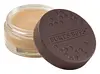
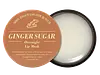
Burt's Bees Natural Overnight Intensive Lip Treatment Versus Etude House Ginger Sugar Overnight Lip Mask
This hydrating lip mask is formulated around Simmondsia Chinensis Seed Oil and Ceramide NP to hydrate lips and strengthen the lip barrier.
This hydrating lip mask is formulated around Butyrospermum Parkii Butter and Zingiber Officinale Root Extract to hydrate lips and strengthen the lip barrier.


What's inside
What's inside
 Key Ingredients
Benefits
Concerns
Ingredients Side-by-side
Caprylic/Capric Triglyceride
Masking


Oleic/Linoleic/Linolenic Polyglycerides
Emollient

C10-18 Triglycerides
Emollient
Glycerin
Humectant
Simmondsia Chinensis Seed Oil
Emollient
Glyceryl Behenate
Emollient
Glyceryl Stearate
Emollient
Hydrogenated Castor Oil
Emollient
Jojoba Esters
Emollient
Octyldodecanol
Emollient
Helianthus Annuus Seed Wax
Skin Conditioning
Ceramide NP
Skin Conditioning



Mentha Piperita Oil
Masking





Caramel
Cosmetic ColorantAcacia Decurrens Flower Wax
Emollient
Polyglycerin-3
Humectant
Limonene
Perfuming
Linalool
Perfuming
Caprylic/Capric Triglyceride, Oleic/Linoleic/Linolenic Polyglycerides, C10-18 Triglycerides, Glycerin, Simmondsia Chinensis Seed Oil, Glyceryl Behenate, Glyceryl Stearate, Hydrogenated Castor Oil, Jojoba Esters, Octyldodecanol, Helianthus Annuus Seed Wax, Ceramide NP, Mentha Piperita Oil, Caramel, Acacia Decurrens Flower Wax, Polyglycerin-3, Limonene, Linalool
Polybutene
Hydrogenated Polyisobutene
EmollientPhytosteryl Isostearyl Dimer Dilinoleate
EmollientDiisostearyl Malate
EmollientPhytosteryl/Isostearyl/Cetyl/Stearyl/Behenyl Dimer Dilinoleate
Skin Conditioning
Dextrin Palmitate
Emulsifying
Butyrospermum Parkii Butter
Skin Conditioning

Microcrystalline Wax
Emulsion StabilisingPolyethylene
Abrasive
Glycerin
Humectant
Beeswax
Emulsion Stabilising
Tocopheryl Acetate
Antioxidant


Euphorbia Cerifera Cera
Astringent
Astrocaryum Murumuru Seed Butter
Emollient
Ethylene/Propylene/Styrene Copolymer
Triethylhexanoin
MaskingDimethicone
Emollient
Caprylic/Capric Triglyceride
Masking
Ozokerite
Emulsion StabilisingPolyhydroxystearic Acid
Emulsifying
Limonene
Perfuming
Polyglyceryl-2 Dipolyhydroxystearate
Skin Conditioning
Disteardimonium Hectorite
StabilisingEthylhexyl Palmitate
Emollient
Lecithin
Emollient
Isostearic Acid
Cleansing
Isopropyl Palmitate
Emollient
Sorbitan Isostearate
Emulsifying
Parfum
Masking
Polyglyceryl-3 Polyricinoleate
Emulsifying
Dehydroacetic Acid
Preservative
Butylene/Ethylene/Styrene Copolymer
Linalool
Perfuming
Trehalose
Humectant
Pentaerythrityl Tetra-Di-T-Butyl Hydroxyhydrocinnamate
Antioxidant
Citral
Perfuming
Water
Skin ConditioningButylene Glycol
Humectant
Zingiber Officinale Root Extract
Masking
BHT
Antioxidant
Polybutene, Hydrogenated Polyisobutene, Phytosteryl Isostearyl Dimer Dilinoleate, Diisostearyl Malate, Phytosteryl/Isostearyl/Cetyl/Stearyl/Behenyl Dimer Dilinoleate, Dextrin Palmitate, Butyrospermum Parkii Butter, Microcrystalline Wax, Polyethylene, Glycerin, Beeswax, Tocopheryl Acetate, Euphorbia Cerifera Cera, Astrocaryum Murumuru Seed Butter, Ethylene/Propylene/Styrene Copolymer, Triethylhexanoin, Dimethicone, Caprylic/Capric Triglyceride, Ozokerite, Polyhydroxystearic Acid, Limonene, Polyglyceryl-2 Dipolyhydroxystearate, Disteardimonium Hectorite, Ethylhexyl Palmitate, Lecithin, Isostearic Acid, Isopropyl Palmitate, Sorbitan Isostearate, Parfum, Polyglyceryl-3 Polyricinoleate, Dehydroacetic Acid, Butylene/Ethylene/Styrene Copolymer, Linalool, Trehalose, Pentaerythrityl Tetra-Di-T-Butyl Hydroxyhydrocinnamate, Citral, Water, Butylene Glycol, Zingiber Officinale Root Extract, BHT
Reviews
Ingredients Explained
These ingredients are found in both products.
Ingredients higher up in an ingredient list are typically present in a larger amount.
Caprylic/Capric Triglyceride (aka MCT Oil) is a lightweight emollient, solvent, and texture enhancer. It is considered a skin-softener by helping to prevent moisture loss.
Though it behaves like an oil, it is not technically one due to its chemical composition. One perk of this ingredient is that it is very stable, resistant to oxidation, and unlikely to go rancid.
In practice, that translates to a long shelf life and a consistently elegant skin feel.
While there is an assumption Caprylic Triglyceride can clog pores due to it being derived from coconut oil, there is no research supporting this. Just patch test if you have concerns.
Fractionated coconut oil and MCT Oil are both listed as Caprylic/Capric Triglyceride according to INCI. This is because INCI names are based on the ingredient’s final chemical composition and not its marketing name or source.
This ingredient is treated as the gold standard fungal acne safe oil. Even though it is coconut derived, the problematic lauric acid is stripped out.
This leaves just caprylic (C8) and capric (C10) acid. These chain lengths actually trend antifungal; a 2020 study found caprylic acid was enough to disrupt Malassezia furfur cell membrane, with a caprylic acid derivative damaging membrane structures at concentrations as low as 0.2%.
Learn more about Caprylic/Capric TriglycerideGlycerin (or glycerol) is a compound naturally found in your skin. It's a powerhouse humectant that pulls water into the stratum corneum.
Topically, glycerin does several things at once:
Your skin makes glycerin on its own (mostly from sebaceous oil breakdown) and shuttles it to your outermost layer of skin, or your epidermis, via aquaporin-3.
Aquaporin-3 is a transporter that is essential for normal skin hydration, elasticity, and repair. Interestingly, mice lacking in AQP3 have dry and less elastic skin that can be fully corrected with glycerin.
This ingredient is non-irritating, plays well with almost every ingredient, and works across all skin types. Typical use is anywhere between 3-10% but can go up to 79% in some leave-on products.
Just know very high concentrations (>40%) can feel tacky in low humidity.
Glycerin is the name for this ingredient in American English. British English uses Glycerol/Glycerine.
Learn more about GlycerinLimonene is the compound that gives citrus peel its smell.
In skincare, it shows up as a standalone fragrance ingredient or as a natural compound of citrus and other essential oils.
You'll typically see this ingredient used in very small amounts; anything above 0.001% in a leave-on product or 0.01% in a rinse-off has to be named on the label in the EU. The citrus oils that carry it sit around 0.5-1% in a finished formula.
Fresh limonene is a weak allergen; the real issue is that it slowly reacts with air and then breaks down from oxidation to create hydroperoxides (which are strong sensitizers). This is why suppliers are required to keep the peroxide value below 20 mmol.
Positive reactions in people being investigated for eczema vary:
It's worth skipping if you have a known fragrance allergy or a compromised barrier, but the risk is low for most people.
Older or long-opened products are also more likely to bother you than fresh ones due to oxidation.
Learn more about LimoneneLinalool is a small, naturally occurring scent molecule found in plants like lavender, coriander, bergamot, and more.
It is one of the two most-used fragrance ingredients in cosmetics and added purely for smell. Since it's not used for a skin benefit, there's no "effective dose". Concentration depends on the fragrance load of the product.
The EU requires it to be named on the label above 0.001% in leave-on and 0.01% in rinse-off products.
Fresh linalool is a weak sensitizer but air exposure turns some of it into hydroperoxides, which are strong sensitizers. Those oxidation products are the actual allergy concern.
Patch-test clinics see positive reactions to linalool hydroperoxides in about 4% to 12% of dermatitis patients depending on country and test concentration.
Resassuringly, one analytical study found hydroperoxide levels in real fragranced products to be orders of magnitude below what induced sensitization in animal studies with no evidence of oxidation building up during normal storage.
The practical takeaway is that linalool is fine for most people but worth avoiding if you have a confirmed fragrance contact allergy or a badly compromised barrier.
Products stored a long time after opening are also the high-risk scenario since that is when oxidation happens.
The scent of linalool is described as floral, spicy tropical, and citrus-like.
Learn more about Linalool

