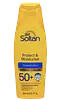
This chemical sunscreen covers the full UV range and blocks ~98% of UVB at SPF 50.
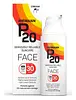
This chemical sunscreen covers the full UV range and blocks ~97% of UVB at SPF 30.


What's inside
What's inside
 Key Ingredients
Benefits
Concerns
Ingredients Side-by-side
Water
Skin ConditioningC12-15 Alkyl Benzoate
AntimicrobialOctocrylene
UV Absorber



Butyl Methoxydibenzoylmethane
UV Absorber
Alcohol Denat.
Antimicrobial


Ethylhexyl Salicylate
UV Absorber
Butylene Glycol
Humectant

Polyglyceryl-3 Methylglucose Distearate
Emulsifying
Methylene Bis-Benzotriazolyl Tetramethylbutylphenol
UV Filter
Bis-Ethylhexyloxyphenol Methoxyphenyl Triazine
UV Absorber
Vp/Eicosene Copolymer
Tribehenin
Emollient
Diethylhexyl Butamido Triazone
UV Absorber
Phenoxyethanol
Preservative
Dimethicone
Emollient

Butyrospermum Parkii Butter
Skin Conditioning

Decyl Glucoside
Cleansing
Parfum
Masking

Potassium Cetyl Phosphate
EmulsifyingXanthan Gum
EmulsifyingVitis Vinifera Seed Oil
Emollient

Tocopheryl Acetate
Antioxidant


Acrylates/Vinyl Isodecanoate Crosspolymer
Emulsion StabilisingGlycerin
Humectant
Tetrasodium EDTA
ChelatingPotassium Hydroxide
BufferingPropylene Glycol
Humectant
Sodium Ascorbyl Phosphate
Antioxidant



Panax Ginseng Root Extract
Emollient
Dipropylene Glycol
HumectantWater, C12-15 Alkyl Benzoate, Octocrylene, Butyl Methoxydibenzoylmethane, Alcohol Denat., Ethylhexyl Salicylate, Butylene Glycol, Polyglyceryl-3 Methylglucose Distearate, Methylene Bis-Benzotriazolyl Tetramethylbutylphenol, Bis-Ethylhexyloxyphenol Methoxyphenyl Triazine, Vp/Eicosene Copolymer, Tribehenin, Diethylhexyl Butamido Triazone, Phenoxyethanol, Dimethicone, Butyrospermum Parkii Butter, Decyl Glucoside, Parfum, Potassium Cetyl Phosphate, Xanthan Gum, Vitis Vinifera Seed Oil, Tocopheryl Acetate, Acrylates/Vinyl Isodecanoate Crosspolymer, Glycerin, Tetrasodium EDTA, Potassium Hydroxide, Propylene Glycol, Sodium Ascorbyl Phosphate, Panax Ginseng Root Extract, Dipropylene Glycol
Water
Skin ConditioningDiethylamino Hydroxybenzoyl Hexyl Benzoate
UV Filter
Octocrylene
UV Absorber
Homosalate
Skin Conditioning
Dibutyl Adipate
EmollientButyl Methoxydibenzoylmethane
UV Absorber
Cetyl Dimethicone
Emollient
Cetearyl Alcohol
Emollient
Potassium Cetyl Phosphate
EmulsifyingGlycerin
Humectant
Undecane
EmollientC8-22 Alkyl Acrylates/Methacrylic Acid Crosspolymer
Diethylhexyl Butamido Triazone
UV Absorber
Tridecane
Perfuming
Phenoxyethanol
Preservative
Propyl Alcohol
Solvent
Hydroxyethyl Acrylate/Sodium Acryloyldimethyl Taurate Copolymer
Emulsion StabilisingBenzoic Acid
Masking
Squalane
Emollient
Caprylyl Glycol
Emollient
Disodium EDTA
ChelatingDehydroacetic Acid
Preservative
Ethylhexylglycerin
Skin ConditioningPolysorbate 60
Emulsifying
Tocopherol
Antioxidant
Helianthus Annuus Seed Oil
Emollient
Water, Diethylamino Hydroxybenzoyl Hexyl Benzoate, Octocrylene, Homosalate, Dibutyl Adipate, Butyl Methoxydibenzoylmethane, Cetyl Dimethicone, Cetearyl Alcohol, Potassium Cetyl Phosphate, Glycerin, Undecane, C8-22 Alkyl Acrylates/Methacrylic Acid Crosspolymer, Diethylhexyl Butamido Triazone, Tridecane, Phenoxyethanol, Propyl Alcohol, Hydroxyethyl Acrylate/Sodium Acryloyldimethyl Taurate Copolymer, Benzoic Acid, Squalane, Caprylyl Glycol, Disodium EDTA, Dehydroacetic Acid, Ethylhexylglycerin, Polysorbate 60, Tocopherol, Helianthus Annuus Seed Oil
Ingredients Explained
These ingredients are found in both products.
Ingredients higher up in an ingredient list are typically present in a larger amount.
Also known as Avobenzone, this ingredient is an oil-soluble used to absorb the full spectrum of UVA rays (peak 357 nm).
It's one of the most effective UVA filters available but has a major caveat of photostability: avobenzone is susceptible to photodegradation.
This means it can lose efficacy when exposed to sunlight without the help of a stabilizing agent.
Studies show antioxidants (like vitamin E or vitamin C) and some UV filters (like octocrylene and Tinosorb S) can meaningfully improve its stability in a formulation.
The maximum allowable concentration according to regulation is 3% in the US + Canada, and 5% in the EU, Australia, China, Korea, and ASEAN countries.
It has a well-support safety profile: a comprehensive 2025 review found minimal toxicity with no evidence of carcinogenicity.
Overall, avobenzone is a safe and regulated ingredient used in sunscreen for over 40 years.
Learn more about Butyl MethoxydibenzoylmethaneDiethylhexyl Butamido Triazone (aka Iscotrizinol) is an oil-soluble organic UV filter that mainly absorbs UVB and a bit of UVA II light.
This ingredient is great at preventing sunburn but doesn't cover the deep UVA I range. This is why it's often paired with a UVA filter like Avobenzone or Bemotrizinol.
Two of its biggest selling points are efficiency and stability:
Most of the other chemical filters are considered "photostable" if they can last for two hours.
Because this ingredient is oil-loving, it can sit neatly into the oil phase of emulsions and shines in water-repellent/water-resistant formulations.
The EU and Canada allow it to be used up to 10% and Japan allows it up to 5%.
Unfortunately, it's not yet an FDA approved sunscreen agent so you won't be able to find it in sunscreens in the US.
Safety-wise, it has a pretty solid record: the EU's Scientific Committee on Consumer Safety (SCCS) has reviewed it and found low skin absorption, no capacity to produce skin irritation or photo-irritation.
In vitro testing has found less than 0.1% of the applied dose is absorbed by the skin over 24 hours (mostly due to its large molecule size).
Fun fact: This ingredient even has anti-inflammatory properties similar to those of ketoprofe, an anti-inflammatory medication.
Learn more about Diethylhexyl Butamido TriazoneGlycerin (or glycerol) is a compound naturally found in your skin. It's a powerhouse humectant that pulls water into the stratum corneum.
Topically, glycerin does several things at once:
Your skin makes glycerin on its own (mostly from sebaceous oil breakdown) and shuttles it to your outermost layer of skin, or your epidermis, via aquaporin-3.
Aquaporin-3 is a transporter that is essential for normal skin hydration, elasticity, and repair. Interestingly, mice lacking in AQP3 have dry and less elastic skin that can be fully corrected with glycerin.
This ingredient is non-irritating, plays well with almost every ingredient, and works across all skin types. Typical use is anywhere between 3-10% but can go up to 79% in some leave-on products.
Just know very high concentrations (>40%) can feel tacky in low humidity.
Glycerin is the name for this ingredient in American English. British English uses Glycerol/Glycerine.
Learn more about GlycerinOctocrylene is an oil-soluble organic UV filter that mainly absorbs UVB and short wave UVA II light.
Its real superpower is teamwork: octocrylene is remarkably photostable and is most famous for stabilizing avobenzone (the workhorse UVA filter).
This ingredient is commonly used to enhance both UVB and UVA protection due to its unique property in stabilizing avobenzone. It also pulls double duty by boosting water resistance and giving formulas a smooth, spreadable feel.
The EU's Scientific Committee on Consumer Safety (SCCS) has deemed octocrylene to be safe as a UV-filter at concentrations up to 10% (capped at 9% in propellant sprays). The US also permits it up to 10%.
Two things worth knowing:
You'll usually see this ingredient used in concentrations between 2-10% (higher amounts when used as a stabilizer for avobenzone).
Learn more about OctocrylenePhenoxyethanol is one of the most widely used preservatives in skincare (and for good reason!).
It has a large spectrum of antimicrobial activity and especially effective bacteria, yeast, and mold while only having a weak effect on your skin's natural microbiome.
On a cellular level, it disrupts the cell membranes of microbes by poking holes that make the cell leak. This shuts down the chemical reactions the microbe needs to make energy so it can no longer survive.
Another perk of this ingredient is that it stays functional across a wide pH range (3-10).
You'll often see it paired with boosters like Ethylhexylglycerin; one study showed that a 1:9 ratio of Ethylhexylglycerin to Phenoxyethanol damages bacterial membranes as effectively as doubling the Phenoxyethanol concentration on its own.
Typical use concentrations range from 0.3-1% depending on the formula, and this ingredient is capped at 1% int the EU.
Safety-wise, the fear mongering does not hold up to the evidence. The EU's Scientific Committee on Consumer Safety and FDA consider it safe as a preservative at up to 1%, including for children of all ages.
Adverse systemic effects only showed up in animal studies at exposures roughly 200x higher than what people get from cosmetics. And despite its very widespread use, this ingredient is a rare sensitizer and allergic reactions are uncommon.
Learn more about PhenoxyethanolPotassium Cetyl Phosphate is the potassium salt of a mixture. This mixture consists of the esters from phosphoricacid and cetyl alcohol.
Potassium Cetyl Phosphate is an emulsifier and cleansing agent. Emulsifiers help stabilize a product. It does this by preventing certain ingredients from separating.
As a cleansing agent, Potassium Cetyl Phosphate helps gather oils, dirts, and pollutants from your skin. This makes it easier to rinse them away with water.
Learn more about Potassium Cetyl PhosphateWater. It's the most common cosmetic ingredient of all. You'll usually see it at the top of ingredient lists, meaning that it makes up the largest part of the product.
So why is it so popular? Water most often acts as a solvent - this means that it helps dissolve other ingredients into the formulation.
You'll also recognize water as that liquid we all need to stay alive. If you see this, drink a glass of water. Remember to stay hydrated!
Learn more about Water

