
What's inside
What's inside
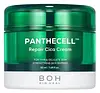 Key Ingredients
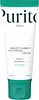
Benefits
Concerns
Ingredients Side-by-side
Centella Asiatica Extract 75.5%
Cleansing





Panthenol 5%
Skin Conditioning
Propanediol
Solvent
Pentaerythrityl Tetraethylhexanoate
Emollient
Glycerin
Humectant
Butylene Glycol
Humectant
Ethylhexyl Stearate
Emollient




Water
Skin ConditioningCentella Asiatica Leaf Extract
Skin Conditioning
Madecassoside
Antioxidant
Beta-Sitosterol
Emulsion Stabilising
Asiaticoside
Antioxidant
Acetyl Hexapeptide-8
Humectant
Ascorbic Acid Polypeptide
Antioxidant


Acetyl Octapeptide-3
Humectant
Acetyl Tetrapeptide-2
Skin Conditioning
Acetyl Tetrapeptide-3
Skin Protecting
Acetyl Tetrapeptide-5
Humectant
Acetyl Tetrapeptide-9
Skin Conditioning
Copper Tripeptide-1
Skin Conditioning
Nonapeptide-1
Skin Conditioning
Palmitoyl Pentapeptide-4
Skin Conditioning
Palmitoyl Tripeptide-1
Skin Conditioning
Palmitoyl Tripeptide-5
Skin Conditioning
Candida Bombicola/Glucose/Methyl Rapeseedate Ferment
AntimicrobialHelianthus Annuus Seed Oil
Emollient
Methyl Methacrylate Crosspolymer

Pentylene Glycol
Skin Conditioning
Triethylhexanoin
MaskingDicaprylyl Carbonate
EmollientSodium Polyacryloyldimethyl Taurate
Emulsion Stabilising1,2-Hexanediol
Skin Conditioning
Acrylates/C10-30 Alkyl Acrylate Crosspolymer
Emulsion StabilisingC12-20 Alkyl Glucoside
EmulsifyingDipotassium Glycyrrhizate
Humectant
Allantoin
Skin Conditioning
Ethylhexylglycerin
Skin ConditioningPalmitic Acid
Emollient
Glyceryl Acrylate/Acrylic Acid Copolymer
HumectantHydrogenated Lecithin
Emulsifying
Sodium Phytate
Tromethamine
BufferingGlyceryl Caprylate
EmollientLecithin
Emollient
Escin
TonicDipropylene Glycol
HumectantTocopherol
Antioxidant
Citric Acid
Buffering
Carnosine
Skin Conditioning
C14-22 Alcohols
Emulsion Stabilising
Cetearyl Alcohol
Emollient
C12-16 Alcohols
EmollientCarbomer
Emulsion StabilisingCentella Asiatica Extract 75.5%, Panthenol 5%, Propanediol, Pentaerythrityl Tetraethylhexanoate, Glycerin, Butylene Glycol, Ethylhexyl Stearate, Water, Centella Asiatica Leaf Extract, Madecassoside, Beta-Sitosterol, Asiaticoside, Acetyl Hexapeptide-8, Ascorbic Acid Polypeptide, Acetyl Octapeptide-3, Acetyl Tetrapeptide-2, Acetyl Tetrapeptide-3, Acetyl Tetrapeptide-5, Acetyl Tetrapeptide-9, Copper Tripeptide-1, Nonapeptide-1, Palmitoyl Pentapeptide-4, Palmitoyl Tripeptide-1, Palmitoyl Tripeptide-5, Candida Bombicola/Glucose/Methyl Rapeseedate Ferment, Helianthus Annuus Seed Oil, Methyl Methacrylate Crosspolymer, Pentylene Glycol, Triethylhexanoin, Dicaprylyl Carbonate, Sodium Polyacryloyldimethyl Taurate, 1,2-Hexanediol, Acrylates/C10-30 Alkyl Acrylate Crosspolymer, C12-20 Alkyl Glucoside, Dipotassium Glycyrrhizate, Allantoin, Ethylhexylglycerin, Palmitic Acid, Glyceryl Acrylate/Acrylic Acid Copolymer, Hydrogenated Lecithin, Sodium Phytate, Tromethamine, Glyceryl Caprylate, Lecithin, Escin, Dipropylene Glycol, Tocopherol, Citric Acid, Carnosine, C14-22 Alcohols, Cetearyl Alcohol, C12-16 Alcohols, Carbomer
Water
Skin ConditioningPanthenol 10%
Skin Conditioning
Squalane
Emollient
Butylene Glycol
Humectant
1,2-Hexanediol
Skin Conditioning
Niacinamide
Smoothing


Bambusa Vulgaris Extract
Skin Conditioning
Hydrolyzed Jojoba Esters
Skin Conditioning
Acrylates/C10-30 Alkyl Acrylate Crosspolymer
Emulsion StabilisingAmmonium Acryloyldimethyltaurate/Vp Copolymer
Hydroxyacetophenone
Antioxidant
Tromethamine
BufferingDipotassium Glycyrrhizate
Humectant
Ethylhexylglycerin
Skin ConditioningXanthan Gum
EmulsifyingDisodium EDTA
Sodium Hyaluronate
Humectant
Madecassoside
Antioxidant
Asiaticoside
Antioxidant
Asiatic Acid
Skin Conditioning
Madecassic Acid
Skin Conditioning
Copper Tripeptide-1
Skin Conditioning
Water, Panthenol 10%, Squalane, Butylene Glycol, 1,2-Hexanediol, Niacinamide, Bambusa Vulgaris Extract, Hydrolyzed Jojoba Esters, Acrylates/C10-30 Alkyl Acrylate Crosspolymer, Ammonium Acryloyldimethyltaurate/Vp Copolymer, Hydroxyacetophenone, Tromethamine, Dipotassium Glycyrrhizate, Ethylhexylglycerin, Xanthan Gum, Disodium EDTA, Sodium Hyaluronate, Madecassoside, Asiaticoside, Asiatic Acid, Madecassic Acid, Copper Tripeptide-1
Reviews
Ingredients Explained
These ingredients are found in both products.
Ingredients higher up in an ingredient list are typically present in a larger amount.
1,2-Hexanediol is a synthetic liquid and another multi-functional powerhouse.
It is a:
- Humectant, drawing moisture into the skin
- Emollient, helping to soften skin
- Solvent, dispersing and stabilizing formulas
- Preservative booster, enhancing the antimicrobial activity of other preservatives
Acrylates/C10-30 Alkyl Acrylate Crosspolymer is a synthetic polymer. It is used to thicken, emulsify, and improve the texture of products.
As an emulsifier, it helps stabilize oil-in-water emulsions to give products an elegant feel when applied.
It can also form a thin protective film on skin. One study found that a formula using this polymer helped slow down how quickly other ingredients (like DEET) were absorbed through skin.
A 2024 study of over 1,300 patients confirmed that sensitization to this ingredient is rare. It is also non-mutagenic and has a clean track record.
Learn more about Acrylates/C10-30 Alkyl Acrylate CrosspolymerAsiaticoside comes from the super popular skin-soothing ingredient, Centella asiatica. It's the reason centella-based products have a strong reputation for repairing and calming skin, along with its sibling compound Madecassoside.
Research from 2016-2025 supports its role in:
You'll usually find this in concentrations between 0.2-5%.
Learn more about AsiaticosideButylene Glycol (or BG) is used within cosmetic products for a few different reasons:
Overall, Butylene Glycol is a safe and well-rounded ingredient that works well with other ingredients.
Though this ingredient works well with most skin types, some people with sensitive skin may experience a reaction such as allergic rashes, closed comedones, or itchiness.
Learn more about Butylene GlycolCopper Tripeptide-1 (GHK-Cu) is a skin repairing ingredient known for its ability to boost collagen, improve firmness, and support skin regeneration.
It is a complex made up of a naturally occurring peptide (glycine-histidine-lysine) and copper, an essential trace element.
While studying wound healing, researchers noticed GHK-Cu stimulated hair follicle enlargement and growth by keeping hair in its active growth phase longer. This has made it a promising ingredient for hair regrowth treatments.
Some people have reported increased facial hair. While GHK-Cu can make your hair follicles bigger, it usually doesn’t turn soft, barely-visible facial hairs into thick, dark ones.
Anecdotal reports suggest that overusing copper peptides might lead to premature aging due to excess free copper or enzyme imbalances. This claim isn’t backed by large-scale studies.
Unfortunately, there are limited human studies for this ingredient. While early results are promising, many studies are either small, in-vitro, or not rigorously controlled.
For example, there is a 1998 study that explored the effects of copper tripeptide, vitamin C, tretinoin, and melatonin on skin repair and collagen synthesis.
After one month, increased procollagen production was seen in 7 out of 10 participants using copper tripeptide (more than those using vitamin C, melatonin, or tretinoin.
While the study was exploratory, it offers early evidence that copper tripeptide may support collagen production. Larger, well-designed trials are still needed to confirm its potential and understand individual responses.
Read more about other common types of peptides here:
Learn more about Copper Tripeptide-1Dipotassium Glycyrrhizate comes from licorice root.
Extracts of licorice have demonstrated to have antibacterial, anti‐inflammatory, antiviral, antioxidant properties.
One component, glabridin, has extra potent antioxidant and soothing properties. It has also been found to block pigmentation from UVB rays in guinea pigs.
Licorice Root also contains a flavonoid. Flavonoids are a natural substance from in plants. Flavonoids also have antioxidant properties.
Another component, glycyrrhizin, has been found to have anti-inflammatory and antimicrobial benefits. This may make licorice root extract effective at treating acne. However, more research is needed to support this.
Liquiritin is one of the flavone compounds found in licorice. It has been found to help lighten skin by preventing tyrosinase from reacting with tyrosine. When the two react, protein is converted to melanin. Melanin is the substance in your body that gives your features pigmentation.
Licorice root is native to Southern Europe and Asia. It has been used in traditional Chinese medicine to help with respiratory issues.
Learn more about Dipotassium GlycyrrhizateEthylhexylglycerin is created from glycerin. It is a multitasker ingredient that:
The CIR Expert Panel found minimal skin absorption or sensitization of any kind in a safety assessment. Though this ingredient is considered well-tolerated, a small number of cases of allergic dermatitis have been published since 2002. Just be sure to patch test if you are unsure.
Industry-reported use ranges from 8% in rinse-off products and 2% in leave-on formulations.
Learn more about EthylhexylglycerinMadecassoside is one of four active compounds found in Centella asiatica and is one of the main reasons Centella is so effective at calming irritated skin and supporting the moisture barrier.
There's a solid body of peer-reviewed research backing Madecassoside for several skin benefits. Studies have found:
Madecassoside pairs well with other hydrating or antioxidant ingredients like Ascorbic Acid or Hyaluronic Acid.
Learn more about MadecassosidePanthenol is a common ingredient that helps hydrate and soothe the skin. It is found naturally in our skin and hair.
There are two forms of panthenol: D and L.
D-panthenol is also known as dexpanthenol. Most cosmetics use dexpanthenol or a mixture of D and L-panthenol.
Panthenol is famous due to its ability to go deeper into the skin's layers. Using this ingredient has numerous pros (and no cons):
Like hyaluronic acid, panthenol is a humectant. Humectants are able to bind and hold large amounts of water to keep skin hydrated.
This ingredient works well for wound healing. It works by increasing tissue in the wound and helps close open wounds.
Once oxidized, panthenol converts to pantothenic acid. Panthothenic acid is found in all living cells.
This ingredient is also referred to as pro-vitamin B5.
Learn more about PanthenolTromethamine (aka THAM) is a synthetic amino acid that shows up in skincare as a helper ingredient.
It functions as a pH adjuster to help neutralize acidic ingredients and set a formula's pH to the right spot.
This matters a lot because a lot of actives (like vitamin C) needs a specific pH to work well and feel comfortable on skin.
Concentration use ranges from 0.1-1.0% depending on the formula.
Learn more about TromethamineWater. It's the most common cosmetic ingredient of all. You'll usually see it at the top of ingredient lists, meaning that it makes up the largest part of the product.
So why is it so popular? Water most often acts as a solvent - this means that it helps dissolve other ingredients into the formulation.
You'll also recognize water as that liquid we all need to stay alive. If you see this, drink a glass of water. Remember to stay hydrated!
Learn more about Water

