
What's inside
What's inside
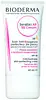 Key Ingredients
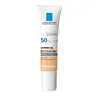
Benefits
Concerns
Ingredients Side-by-side
Water
Skin ConditioningParaffinum Liquidum
Emollient


Glycerin
Humectant



Tridecyl Trimellitate
EmollientGlycol Palmitate
Emulsifying
Caprylic/Capric Triglyceride
Masking
Canola Oil
Emollient
Triceteareth-4 Phosphate
EmulsifyingFructooligosaccharides
Humectant
Mannitol
Humectant
Xylitol
Humectant
Rhamnose
HumectantLaminaria Ochroleuca Extract
Skin Conditioning

Glycyrrhetinic Acid
Skin ConditioningGlycine Soja Germ Extract
EmollientAllantoin
Skin Conditioning
Ginkgo Biloba Leaf Extract
Skin Conditioning
Camellia Sinensis Leaf Extract
Antimicrobial


Propylene Glycol
Humectant

Pentylene Glycol
Skin ConditioningCaprylyl Glycol
Emollient
Glycol Stearate
Emollient
PEG-2 Stearate
Emulsifying
Acrylates/C10-30 Alkyl Acrylate Crosspolymer
Emulsion Stabilising1,2-Hexanediol
Skin Conditioning
Citric Acid
Buffering


Xanthan Gum
EmulsifyingDisodium EDTA
Sodium Hydroxide
BufferingWater, Paraffinum Liquidum, Glycerin, Tridecyl Trimellitate, Glycol Palmitate, Caprylic/Capric Triglyceride, Canola Oil, Triceteareth-4 Phosphate, Fructooligosaccharides, Mannitol, Xylitol, Rhamnose, Laminaria Ochroleuca Extract, Glycyrrhetinic Acid, Glycine Soja Germ Extract, Allantoin, Ginkgo Biloba Leaf Extract, Camellia Sinensis Leaf Extract, Propylene Glycol, Pentylene Glycol, Caprylyl Glycol, Glycol Stearate, PEG-2 Stearate, Acrylates/C10-30 Alkyl Acrylate Crosspolymer, 1,2-Hexanediol, Citric Acid, Xanthan Gum, Disodium EDTA, Sodium Hydroxide
Water
Skin ConditioningCI 77891
Cosmetic ColorantEthylhexyl Methoxycinnamate
UV Absorber


Glycerin
Humectant
Drometrizole Trisiloxane
UV Absorber
Dimethicone
Emollient
Alcohol Denat.
Antimicrobial

Titanium Dioxide
Cosmetic Colorant
Terephthalylidene Dicamphor Sulfonic Acid
UV Absorber
Propylene Glycol
Humectant
Diethylamino Hydroxybenzoyl Hexyl Benzoate
UV Filter
Triethanolamine
BufferingCI 77491
Cosmetic ColorantCI 77492
Cosmetic ColorantCI 77499
Cosmetic ColorantBis-Ethylhexyloxyphenol Methoxyphenyl Triazine
Skin Conditioning
Stearic Acid
Cleansing
Potassium Cetyl Phosphate
EmulsifyingPentylene Glycol
Skin ConditioningAluminum Hydroxide
EmollientBHT
Antioxidant
Butylene Glycol
Humectant
Butyrospermum Parkii Seedcake Extract
Skin Protecting
Caprylyl Glycol
Emollient
Carbomer
Emulsion StabilisingCarnosine
Skin Conditioning
Cetyl Alcohol
Emollient
Disodium EDTA
Glyceryl Stearate
Emollient
Myristic Acid
Cleansing
Myristyl Alcohol
Emollient
Palmitic Acid
Emollient
PEG-100 Stearate
Phenoxyethanol
Preservative
Sodium Chloride
Masking
Sodium Cocoyl Sarcosinate
CleansingStearyl Alcohol
Emollient
Tocopherol
Antioxidant
Tromethamine
BufferingXanthan Gum
EmulsifyingWater, CI 77891, Ethylhexyl Methoxycinnamate, Glycerin, Drometrizole Trisiloxane, Dimethicone, Alcohol Denat., Titanium Dioxide, Terephthalylidene Dicamphor Sulfonic Acid, Propylene Glycol, Diethylamino Hydroxybenzoyl Hexyl Benzoate, Triethanolamine, CI 77491, CI 77492, CI 77499, Bis-Ethylhexyloxyphenol Methoxyphenyl Triazine, Stearic Acid, Potassium Cetyl Phosphate, Pentylene Glycol, Aluminum Hydroxide, BHT, Butylene Glycol, Butyrospermum Parkii Seedcake Extract, Caprylyl Glycol, Carbomer, Carnosine, Cetyl Alcohol, Disodium EDTA, Glyceryl Stearate, Myristic Acid, Myristyl Alcohol, Palmitic Acid, PEG-100 Stearate, Phenoxyethanol, Sodium Chloride, Sodium Cocoyl Sarcosinate, Stearyl Alcohol, Tocopherol, Tromethamine, Xanthan Gum
Reviews
Ingredients Explained
These ingredients are found in both products.
Ingredients higher up in an ingredient list are typically present in a larger amount.
Caprylyl Glycol is a humectant and emollient, meaning it attracts and preserves moisture.
It is a common ingredient in many products, especially those designed to hydrate skin. The primary benefits are retaining moisture, skin softening, and promoting a healthy skin barrier.
Though Caprylyl Glycol is an alcohol derived from fatty acids, it is not the kind that can dry out skin.
This ingredient is also used as a preservative to extend the life of products. It has slight antimicrobial properties.
Learn more about Caprylyl GlycolDisodium EDTA plays a role in making products more stable by aiding other preservatives.
It is a chelating agent, meaning it neutralizes metal ions that may be found in a product.
Disodium EDTA is a salt of edetic acid and is found to be safe in cosmetic ingredients.
Learn more about Disodium EDTAGlycerin is already naturally found in your skin. It helps moisturize and protect your skin.
A study from 2016 found glycerin to be more effective as a humectant than AHAs and hyaluronic acid.
As a humectant, it helps the skin stay hydrated by pulling moisture to your skin. The low molecular weight of glycerin allows it to pull moisture into the deeper layers of your skin.
Hydrated skin improves your skin barrier; Your skin barrier helps protect against irritants and bacteria.
Glycerin has also been found to have antimicrobial and antiviral properties. Due to these properties, glycerin is often used in wound and burn treatments.
In cosmetics, glycerin is usually derived from plants such as soybean or palm. However, it can also be sourced from animals, such as tallow or animal fat.
This ingredient is organic, colorless, odorless, and non-toxic.
Glycerin is the name for this ingredient in American English. British English uses Glycerol/Glycerine.
Learn more about GlycerinPentylene glycol is typically used within a product to thicken it. It also adds a smooth, soft, and moisturizing feel to the product. It is naturally found in plants such as sugar beets.
The hydrophilic trait of Pentylene Glycol makes it a humectant. As a humectant, Pentylene Glycol helps draw moisture from the air to your skin. This can help keep your skin hydrated.
This property also makes Pentylene Glycol a great texture enhancer. It can also help thicken or stabilize a product.
Pentylene Glycol also acts as a mild preservative and helps to keep a product microbe-free.
Some people may experience mild eye and skin irritation from Pentylene Glycol. We always recommend speaking with a professional about using this ingredient in your routine.
Pentylene Glycol has a low molecular weight and is part of the 1,2-glycol family.
Learn more about Pentylene GlycolPropylene Glycol is an odorless, colorless liquid. As a humectant, it helps skin retain moisture. It also aids in delivering active ingredients.
Another role of this ingredient is preventing a product from melting or freezing. Propylene glycol also adds antimicrobrial properties to a product, elongating product lifespan.
This ingredient is considered an organic alcohol and commonly added into both cosmetics and foods.
Those with sensitive skin or conditions may develop a rash when using this ingredient.
Learn more about Propylene GlycolWater. It's the most common cosmetic ingredient of all. You'll usually see it at the top of ingredient lists, meaning that it makes up the largest part of the product.
So why is it so popular? Water most often acts as a solvent - this means that it helps dissolve other ingredients into the formulation.
You'll also recognize water as that liquid we all need to stay alive. If you see this, drink a glass of water. Stay hydrated!
Learn more about WaterXanthan gum is used as a stabilizer and thickener within cosmetic products. It helps give products a sticky, thick feeling - preventing them from being too runny.
On the technical side of things, xanthan gum is a polysaccharide - a combination consisting of multiple sugar molecules bonded together.
Xanthan gum is a pretty common and great ingredient. It is a natural, non-toxic, non-irritating ingredient that is also commonly used in food products.
Learn more about Xanthan Gum
