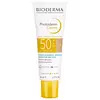
This chemical sunscreen covers the full UV range and blocks ~98% of UVB at SPF 50.
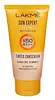
This hybrid sunscreen covers the full UV range and blocks ~98% of UVB at SPF 50.


What's inside
What's inside
 Key Ingredients
Benefits
Concerns
Ingredients Side-by-side
Water
Skin ConditioningDiethylamino Hydroxybenzoyl Hexyl Benzoate
UV Filter
Homosalate
Skin Conditioning
Diisopropyl Sebacate
EmollientBis-Ethylhexyloxyphenol Methoxyphenyl Triazine
UV Absorber
Dibutyl Adipate
EmollientPropanediol
Solvent

Ethylhexyl Salicylate
UV Absorber
Ethylhexyl Triazone
UV Absorber
Silica
Abrasive


Glycerin
Humectant
CI 77891
Cosmetic ColorantPropylene Glycol
Humectant

Sucrose Stearate
EmollientGlyceryl Stearate
Emollient
PEG-100 Stearate
Surfactant
CI 77492
Cosmetic ColorantPentylene Glycol
Skin Conditioning
1,2-Hexanediol
Skin Conditioning
Sodium Citrate
BufferingXanthan Gum
EmulsifyingCI 77491
Cosmetic ColorantCaprylyl Glycol
Emollient
Polyacrylate Crosspolymer-6
Emulsion StabilisingCitric Acid
Buffering

CI 77499
Cosmetic ColorantEctoin
Skin Conditioning



Mannitol
Humectant
Xylitol
Humectant
Rhamnose
HumectantFructooligosaccharides
Humectant
Caprylic/Capric Triglyceride
Masking
Laminaria Ochroleuca Extract
Skin Conditioning
Water, Diethylamino Hydroxybenzoyl Hexyl Benzoate, Homosalate, Diisopropyl Sebacate, Bis-Ethylhexyloxyphenol Methoxyphenyl Triazine, Dibutyl Adipate, Propanediol, Ethylhexyl Salicylate, Ethylhexyl Triazone, Silica, Glycerin, CI 77891, Propylene Glycol, Sucrose Stearate, Glyceryl Stearate, PEG-100 Stearate, CI 77492, Pentylene Glycol, 1,2-Hexanediol, Sodium Citrate, Xanthan Gum, CI 77491, Caprylyl Glycol, Polyacrylate Crosspolymer-6, Citric Acid, CI 77499, Ectoin, Mannitol, Xylitol, Rhamnose, Fructooligosaccharides, Caprylic/Capric Triglyceride, Laminaria Ochroleuca Extract
Water
Skin ConditioningCyclopentasiloxane
Emollient
Glycerin
Humectant
Ethylhexyl Methoxycinnamate
UV Absorber
Zinc Oxide
Cosmetic Colorant
Phenylbenzimidazole Sulfonic Acid
UV Absorber
Dimethicone Crosspolymer
Emulsion Stabilising
Potassium Chloride
PEG-10 Dimethicone
Skin Conditioning
Caprylic/Capric Triglyceride
Masking
Niacinamide
Smoothing



Sodium Hydroxide
BufferingParfum
Masking

Titanium Dioxide
Cosmetic Colorant
Disteardimonium Hectorite
StabilisingTriethoxycaprylylsilane
DMDM Hydantoin
Preservative
Magnesium Sulfate
Cyclotetrasiloxane
Emollient
Sucrose Distearate
Emollient
Allantoin
Skin Conditioning
Tocopheryl Acetate
Antioxidant

Disodium EDTA
ChelatingButylene Glycol
Humectant
Iodopropynyl Butylcarbamate
Preservative
Cymbopogon Schoenanthus Extract
Skin ConditioningCucumis Melo Juice
SoothingAluminum Hydroxide
EmollientDimethicone
Emollient
Methicone
Emollient
CI 77492
Cosmetic ColorantCI 77491
Cosmetic ColorantAlpha-Isomethyl Ionone
Perfuming
Benzyl Salicylate
Perfuming
Citronellol
Perfuming
Geraniol
Perfuming
Hexyl Cinnamal
Perfuming
Limonene
Perfuming
Linalool
Perfuming
Water, Cyclopentasiloxane, Glycerin, Ethylhexyl Methoxycinnamate, Zinc Oxide, Phenylbenzimidazole Sulfonic Acid, Dimethicone Crosspolymer, Potassium Chloride, PEG-10 Dimethicone, Caprylic/Capric Triglyceride, Niacinamide, Sodium Hydroxide, Parfum, Titanium Dioxide, Disteardimonium Hectorite, Triethoxycaprylylsilane, DMDM Hydantoin, Magnesium Sulfate, Cyclotetrasiloxane, Sucrose Distearate, Allantoin, Tocopheryl Acetate, Disodium EDTA, Butylene Glycol, Iodopropynyl Butylcarbamate, Cymbopogon Schoenanthus Extract, Cucumis Melo Juice, Aluminum Hydroxide, Dimethicone, Methicone, CI 77492, CI 77491, Alpha-Isomethyl Ionone, Benzyl Salicylate, Citronellol, Geraniol, Hexyl Cinnamal, Limonene, Linalool
Ingredients Explained
These ingredients are found in both products.
Ingredients higher up in an ingredient list are typically present in a larger amount.
Caprylic/Capric Triglyceride (aka MCT Oil) is a lightweight emollient, solvent, and texture enhancer. It is considered a skin-softener by helping to prevent moisture loss.
Though it behaves like an oil, it is not technically one due to its chemical composition. One perk of this ingredient is that it is very stable, resistant to oxidation, and unlikely to go rancid.
In practice, that translates to a long shelf life and a consistently elegant skin feel.
While there is an assumption Caprylic Triglyceride can clog pores due to it being derived from coconut oil, there is no research supporting this. Just patch test if you have concerns.
Fractionated coconut oil and MCT Oil are both listed as Caprylic/Capric Triglyceride according to INCI. This is because INCI names are based on the ingredient’s final chemical composition and not its marketing name or source.
This ingredient is treated as the gold standard fungal acne safe oil. Even though it is coconut derived, the problematic lauric acid is stripped out.
This leaves just caprylic (C8) and capric (C10) acid. These chain lengths actually trend antifungal; a 2020 study found caprylic acid was enough to disrupt Malassezia furfur cell membrane, with a caprylic acid derivative damaging membrane structures at concentrations as low as 0.2%.
Learn more about Caprylic/Capric TriglycerideCi 77491 is also hydrated iron III oxide. It's sole purpose is to give a red/pink hue to products.
Iron III oxides are classified as inorganic chemicals for coloring.
Synthetically created Ci 77491 is considered safer than those naturally found. This is because the synthetically created version may contain less impurities. Iron oxides are generally non-toxic and non-allergenic.
Learn more about CI 77491CI 77492 is also hydrated iron III oxide. It's sole purpose is to give a yellow hue to products.
Iron III oxides are classified as inorganic chemicals for coloring.
Synthetically created CI 77492 is considered safer than those naturally found. This is because the synthetically created version may contain less impurities. Iron oxides are generally non-toxic and non-allergenic.
Learn more about CI 77492Glycerin (or glycerol) is a compound naturally found in your skin. It's a powerhouse humectant that pulls water into the stratum corneum.
Topically, glycerin does several things at once:
Your skin makes glycerin on its own (mostly from sebaceous oil breakdown) and shuttles it to your outermost layer of skin, or your epidermis, via aquaporin-3.
Aquaporin-3 is a transporter that is essential for normal skin hydration, elasticity, and repair. Interestingly, mice lacking in AQP3 have dry and less elastic skin that can be fully corrected with glycerin.
This ingredient is non-irritating, plays well with almost every ingredient, and works across all skin types. Typical use is anywhere between 3-10% but can go up to 79% in some leave-on products.
Just know very high concentrations (>40%) can feel tacky in low humidity.
Glycerin is the name for this ingredient in American English. British English uses Glycerol/Glycerine.
Learn more about GlycerinWater. It's the most common cosmetic ingredient of all. You'll usually see it at the top of ingredient lists, meaning that it makes up the largest part of the product.
So why is it so popular? Water most often acts as a solvent - this means that it helps dissolve other ingredients into the formulation.
You'll also recognize water as that liquid we all need to stay alive. If you see this, drink a glass of water. Remember to stay hydrated!
Learn more about Water

