
What's inside
What's inside
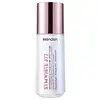 Key Ingredients
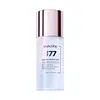
Benefits
Concerns
Ingredients Side-by-side
Water
Skin ConditioningNiacinamide
Smoothing











Propylene Glycol
Humectant


Sorbitol
Humectant
Erythritol
Humectant
Phenylethyl Resorcinol
Antioxidant
Carbomer
Emulsion StabilisingHydroxyacetophenone
Antioxidant
Centella Asiatica Extract
Cleansing
Caprylhydroxamic Acid
Ethylhexylglycerin
Skin ConditioningPEG-40 Hydrogenated Castor Oil
Emulsifying

Potassium Hydroxide
BufferingGlyceryl Caprylate
EmollientTranexamic Acid
Astringent
Hydrolyzed Rhodophyceae Extract
Dextran
Sophora Flavescens Root Extract
Antioxidant
Portulaca Oleracea Extract
Skin Conditioning
Mica
Cosmetic ColorantCeramide Ns
Skin Conditioning
Ceramide NP
Skin Conditioning
Ceramide Ng
Skin Conditioning
Ceramide Eos
Skin Conditioning
Ceramide EOP
Skin Conditioning
Ceramide As
Skin Conditioning
Ceramide AP
Skin Conditioning
Hexapeptide-8
Skin Conditioning
Oligopeptide-1
Skin Conditioning
Carnosine
Skin Conditioning
Hydrolyzed Hyaluronic Acid
Humectant
Hyaluronic Acid
Humectant
Sodium Hyaluronate
Humectant
Bifida Ferment Filtrate
Skin Conditioning
Water, Niacinamide, Propylene Glycol, Sorbitol, Erythritol, Phenylethyl Resorcinol, Carbomer, Hydroxyacetophenone, Centella Asiatica Extract, Caprylhydroxamic Acid, Ethylhexylglycerin, PEG-40 Hydrogenated Castor Oil, Potassium Hydroxide, Glyceryl Caprylate, Tranexamic Acid, Hydrolyzed Rhodophyceae Extract, Dextran, Sophora Flavescens Root Extract, Portulaca Oleracea Extract, Mica, Ceramide Ns, Ceramide NP, Ceramide Ng, Ceramide Eos, Ceramide EOP, Ceramide As, Ceramide AP, Hexapeptide-8, Oligopeptide-1, Carnosine, Hydrolyzed Hyaluronic Acid, Hyaluronic Acid, Sodium Hyaluronate, Bifida Ferment Filtrate
Water
Skin ConditioningButylene Glycol
Humectant
Glycerin
Humectant
1,2-Hexanediol
Skin Conditioning
Hydroxyacetophenone
Antioxidant
PEG-150
HumectantPentylene Glycol
Skin Conditioning
Dipotassium Glycyrrhizate
Humectant
Phenylethyl Resorcinol
Antioxidant
Niacinamide
Smoothing
Carbomer
Emulsion StabilisingArginine
Masking
PEG-40 Hydrogenated Castor Oil
Emulsifying
Trideceth-9
EmulsifyingAllantoin
Skin Conditioning
Fructose
Humectant
Disodium EDTA
Tamarindus Indica Seed Polysaccharide
Skin ConditioningCitric Acid
Buffering
Maltose
MaskingSodium Chloride
MaskingTrehalose
Humectant
Propylene Glycol
Humectant
Sclareolide
Masking
Diglucosyl Gallic Acid
Hydroxyphenyl Propamidobenzoic Acid
Skin ConditioningSodium Hydroxide
BufferingGlucose
Humectant
Ascorbyl Palmitate
Antioxidant
Silica
Abrasive
Water, Butylene Glycol, Glycerin, 1,2-Hexanediol, Hydroxyacetophenone, PEG-150, Pentylene Glycol, Dipotassium Glycyrrhizate, Phenylethyl Resorcinol, Niacinamide, Carbomer, Arginine, PEG-40 Hydrogenated Castor Oil, Trideceth-9, Allantoin, Fructose, Disodium EDTA, Tamarindus Indica Seed Polysaccharide, Citric Acid, Maltose, Sodium Chloride, Trehalose, Propylene Glycol, Sclareolide, Diglucosyl Gallic Acid, Hydroxyphenyl Propamidobenzoic Acid, Sodium Hydroxide, Glucose, Ascorbyl Palmitate, Silica
Ingredients Explained
These ingredients are found in both products.
Ingredients higher up in an ingredient list are typically present in a larger amount.
Carbomer is a synthetic thickening and gelling agent. It's basically the ingredient that gives a lot of serums, gels, creams, and sunscreens their smooth, non-sticky texture.
Although legally permitted at very high levels, carbomers are normally used at concentrations below 1%.
It also needs to be neutralized to actually thicken, and because it is a large molecule, it doesn't really penetrate the skin barrier.
Allergy-wise, the risk is very low. Clinical studies show carbomers have low potential for skin irritation/sensitization even at concentrations up to 100%.
A 2024 UK study patch-tested 1,302 patients and found true allergy to the parent group of carbomer to be rare with no confirmed relevant reactions.
Learn more about CarbomerHydroxyacetophenone is a small phenolic molecule that earns its place in a formulas as an antioxidant and preservative booster.
As a phenol, it is able to neutralize free radicals to protect both the product and the skin from oxidative stress.
Though it can't kill microbes on its own, it works as a good supporting agent when combined with other preservatives like Phenoxyethanol or 1,2-Hexanediol.
This ingredient naturally occurs as piceol in Norwegian spruce needles (~0.4-1.1% dry weight and in cloudberries). Though the cosmetic-grade material is synthesized for purity and consistency.
You'll usually see it used at low levels and suppliers recommend up to 1% added to a water phase.
Safety testing was done at concentrations like 0.05% in SPF products and 0.5% in a Human Repeated Insult Patch Test. The safety evidence is assuring; this ingredient is safe for cosmetics in current use and also holds safety status as a food flavoring as well.
An honest caveat: the "soothing" and "anti-inflammatory" claims come mostly from supplier marketing rather than published clinical trials. The Cosmetic Ingredient Review's own literature search found no useful efficacy studies on this ingredient.
So the antioxidant and preservative-boosting roles are the well supported ones while the calming benefit is plausible but thinly evidenced.
Overall, this is a well-tolerated, low-irritation multitasker that quietly helps a formula stay fresh and stable.
Learn more about HydroxyacetophenoneNiacinamide is a multitasking form of vitamin B3 that strengthens the skin barrier, reduces pores and dark spots, regulates oil, and improves signs of aging.
And the best part? It's gentle and well-tolerated by most skin types, including sensitive and reactive skin.
You might have heard of "niacin flush", or the reddening of skin that causes itchiness. Niacinamide has not been found to cause this.
In very rare cases, some individuals may not be able to tolerate niacinamide at all or experience an allergic reaction to it.
If you are experiencing flaking, irritation, and dryness with this ingredient, be sure to double check all your products as this ingredient can be found in all categories of skincare.
When incorporating niacinamide into your routine, look out for concentration amounts. Typically, 5% niacinamide provides benefits such as fading dark spots. However, if you have sensitive skin, it is better to begin with a smaller concentration.
When you apply niacinamide to your skin, your body converts it into nicotinamide adenine dinucleotide (NAD). NAD is an essential coenzyme that is already found in your cells as "fuel" and powers countless biological processes.
In your skin, NAD helps repair cell damage, produce new healthy cells, support collagen production, strengthen the skin barrier, and fight environmental stressors (like UV and pollution).
Our natural NAD levels start to decline with age, leading to slower skin repair, visible aging, and a weaker skin barrier. By providing your skin niacinamide, you're recharging your skin's NAD levels. This leads to stronger, healthier, and younger looking skin.
Another name for vitamin B3 is nicotinamide. This vitamin is water-soluble and our bodies don't store it. We obtain Vitamin B3 from either food or skincare. Meat, fish, wheat, yeast, and leafy greens contain vitamin B3.
The type of niacinamide used in skincare is synthetically created.
Learn more about NiacinamidePEG-40 Hydrogenated Castor Oil is an emulsifier derived from castor oil.
As an emulsifying agent, it helps other ingredients like fragrances and fat-soluble vitamins dissolve cohesively.
Due to its large molecule size, it doesn't penetrate beyond the skin's surface.
This ingredient has a solid regulatory track record; the CIR Expert Panel first concluded it was safe for use in cosmetics at concentrations up to 100% in 1997. A 2012 reassessment reaffirmed that finding. Safety studies have also found no irritation or evidence of toxicity.
A 2019 study did find this ingredient to grow Malassezia, so this ingredient may not be fungal acne safe.
Learn more about PEG-40 Hydrogenated Castor OilPhenylethyl Resorcinol (PR) is a synthetic antioxidant and tyrosinase inhibitor. This ingredient is found naturally in pine trees.
What is a tyrosinase inhibitor?
Tyrosinase is an enzyme that plays a key role in melanin production, which leads to skin darkening when exposed to UV light. By inhibiting this enzyme, PR can help with skin brightening and lifting dark spots.
The manufacturer states 0.5% of PR is more effective than 1% kojic acid. In 2013, a study of 80 participants found combining PR with other skin-brightening ingredients found 57% showed moderate improvement and 17% saw no change. Another study with 20 women reported a 43% reduction in uneven skin tone.
While more research is needed to fully confirm PR's efficacy, there’s no harm in trying it - especially when combined with other proven skin-brightening ingredients.
Learn more about Phenylethyl ResorcinolPropylene Glycol is a synthetic, colorless, odorless liquid that has been a staple in cosmetics for decades. It is a skin conditioning agent, humectant, and solvent.
As a humectant, it draw water to the skin to reduce flaking and restore suppleness. It's also a solvent that helps dissolve other actives and keeps formulas stable across temperature changes.
The CIR Expert Panel has confirmed this ingredient to be nontoxic and clinical studies show no sensitization at cosmetic use concentrations.
True allergic reactions are quite rare: a 15-year retrospective study of 6,751 patients found only 0.31% had a positive reaction (and less than half were considered clinically relevant).
It seemed that when sensitization does occur, it's most commonly linked to topical medication (like corticosteroids) and not cosmetics. Allergic contact dermatitis also appears largely limited to individuals with underlying skin conditions.
Overall, propylene glycol is a well-studied ingredient that most people can tolerate without issue.
Learn more about Propylene GlycolWater. It's the most common cosmetic ingredient of all. You'll usually see it at the top of ingredient lists, meaning that it makes up the largest part of the product.
So why is it so popular? Water most often acts as a solvent - this means that it helps dissolve other ingredients into the formulation.
You'll also recognize water as that liquid we all need to stay alive. If you see this, drink a glass of water. Remember to stay hydrated!
Learn more about Water

