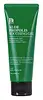
This calming moisturizer is formulated around Aloe Barbadensis Leaf Juice and Propolis Extract to calm redness and hydrate skin.
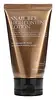
This barrier-repair moisturizer is formulated around Niacinamide and Snail Secretion Filtrate to strengthen the skin barrier and calm redness.

What's inside
What's inside
 Key Ingredients
Benefits
Concerns
No concerns
Ingredients Side-by-side
Aloe Barbadensis Leaf Juice 80%
Skin Conditioning


Propolis Extract
Skin Conditioning


Pentylene Glycol
Skin Conditioning
Butylene Glycol
Humectant
1,2-Hexanediol
Skin Conditioning
Glycerin
Humectant
Aloe Barbadensis Leaf Extract
Emollient
Betaine
Humectant
Water
Skin ConditioningPortulaca Oleracea Extract
Skin Conditioning
Allantoin
Skin Conditioning
Houttuynia Cordata Extract
Skin Conditioning
Psidium Guajava Fruit Extract
AstringentSchisandra Chinensis Fruit Extract
Skin Conditioning
Perilla Ocymoides Leaf Extract
TonicAcorus Calamus Root Extract
Perfuming
Citrus Paradisi Fruit Extract
Skin ConditioningCaprylyl Glycol
Emollient
Acrylates/C10-30 Alkyl Acrylate Crosspolymer
Emulsion StabilisingArginine
Masking
Aloe Barbadensis Leaf Juice 80%, Propolis Extract, Pentylene Glycol, Butylene Glycol, 1,2-Hexanediol, Glycerin, Aloe Barbadensis Leaf Extract, Betaine, Water, Portulaca Oleracea Extract, Allantoin, Houttuynia Cordata Extract, Psidium Guajava Fruit Extract, Schisandra Chinensis Fruit Extract, Perilla Ocymoides Leaf Extract, Acorus Calamus Root Extract, Citrus Paradisi Fruit Extract, Caprylyl Glycol, Acrylates/C10-30 Alkyl Acrylate Crosspolymer, Arginine
Butylene Glycol
Humectant
Glycerin
Humectant
Cetyl Ethylhexanoate
EmollientNiacinamide
Smoothing






Pentylene Glycol
Skin Conditioning
1,2-Hexanediol
Skin Conditioning
Palmitic Acid
Emollient


Stearic Acid
Cleansing
Simmondsia Chinensis Seed Oil
Emollient
Sorbitan Olivate
Emulsifying
Aloe Barbadensis Leaf Juice
Skin Conditioning
Althaea Rosea Root Extract
HumectantAloe Barbadensis Leaf Extract
Emollient
Beta-Glucan
Skin Conditioning
Xanthan Gum
EmulsifyingPanthenol
Skin Conditioning
Sodium Hyaluronate
Humectant
Salix Alba Bark Extract
Astringent
Plantago Asiatica Extract
Skin ConditioningLaminaria Digitata Extract
Skin Protecting
Diospyros Kaki Leaf Extract
Skin Protecting
Ulmus Campestris Bark Extract
AstringentCaprylyl Glycol
Emollient
Polyglyceryl-10 Laurate
Skin Conditioning
Snail Secretion Filtrate
Skin Conditioning
Cetearyl Olivate
Helianthus Annuus Seed Oil
Emollient
Citric Acid
Buffering
Tripeptide-1
Skin Conditioning
Myristic Acid
Cleansing

Usnea Barbata Extract
Glyceryl Stearate
Emollient
Ethylhexylglycerin
Skin ConditioningPulsatilla Koreana Extract
Skin ConditioningUrea
Buffering
Hexapeptide-11
Skin Conditioning
Palmitoyl Pentapeptide-4
Skin Conditioning
Bee Venom
Astringent
Sh-Oligopeptide-1
Skin Conditioning
Lecithin
Emollient
Tocopheryl Acetate
Antioxidant

Copper Tripeptide-1
Skin Conditioning
Water
Skin ConditioningPalmitoyl Tripeptide-1
Skin Conditioning
Hexapeptide-9
Skin Conditioning
Polysorbate 20
Emulsifying
Zanthoxylum Piperitum Fruit Extract
Skin ConditioningBehenyl Alcohol
Emollient
Carthamus Tinctorius Seed Oil
Masking
Lauric Acid
Cleansing
Argania Spinosa Kernel Oil
Emollient
Tocopherol
Antioxidant
Cetearyl Alcohol
Emollient
Butylene Glycol, Glycerin, Cetyl Ethylhexanoate, Niacinamide, Pentylene Glycol, 1,2-Hexanediol, Palmitic Acid, Stearic Acid, Simmondsia Chinensis Seed Oil, Sorbitan Olivate, Aloe Barbadensis Leaf Juice, Althaea Rosea Root Extract, Aloe Barbadensis Leaf Extract, Beta-Glucan, Xanthan Gum, Panthenol, Sodium Hyaluronate, Salix Alba Bark Extract, Plantago Asiatica Extract, Laminaria Digitata Extract, Diospyros Kaki Leaf Extract, Ulmus Campestris Bark Extract, Caprylyl Glycol, Polyglyceryl-10 Laurate, Snail Secretion Filtrate, Cetearyl Olivate, Helianthus Annuus Seed Oil, Citric Acid, Tripeptide-1, Myristic Acid, Usnea Barbata Extract, Glyceryl Stearate, Ethylhexylglycerin, Pulsatilla Koreana Extract, Urea, Hexapeptide-11, Palmitoyl Pentapeptide-4, Bee Venom, Sh-Oligopeptide-1, Lecithin, Tocopheryl Acetate, Copper Tripeptide-1, Water, Palmitoyl Tripeptide-1, Hexapeptide-9, Polysorbate 20, Zanthoxylum Piperitum Fruit Extract, Behenyl Alcohol, Carthamus Tinctorius Seed Oil, Lauric Acid, Argania Spinosa Kernel Oil, Tocopherol, Cetearyl Alcohol
Reviews
Ingredients Explained
These ingredients are found in both products.
Ingredients higher up in an ingredient list are typically present in a larger amount.
1,2-Hexanediol is a synthetic liquid and another multi-functional powerhouse.
It is a:
- Humectant, drawing moisture into the skin
- Emollient, helping to soften skin
- Solvent, dispersing and stabilizing formulas
- Preservative booster, enhancing the antimicrobial activity of other preservatives
Aloe Barbadensis Leaf Extract is a botanical extract pulled from the leaves of aloe vera and one of the most studied plant ingredients in cosmetics.
The inner leaf gel it comes from is mostly water (~99-99.5%) and the remaining fraction is made up of pretty good stuff: polysaccharides, vitamins, phenolics, and enzymes.
Its headline job is hydration.
The star polysaccharide in aloe, acemannan, is a humectant that retains moisture and helps reduce trans-epidermal water loss.
Aloe also has real soothing credentials; it contains anti-inflammatory compounds like bradykinase and C-glucosyl chromone that help calm irritation and redness.
On the repair side, lab work shows that acemannan wakes up your skin's repair cells (fibroblasts), prompting them to multiply and speed up healing.
There's some human data for cosmetic benefit too: a cream containing 10% Aloe Barbadensis leaf extract improved skin hydration and elasticity in a real-use study.
Safety-wise, this ingredient is well-regarded with just one rare downside; there have been some case reports of acute eczema, contact urticaria, and dermatitis in people who applied aloe-derived ingredients topically. Those with a known aloe or Liliaceae sensitivity should patch test.
Typical use levels range widely, from under 1% up to 90%+ depending on the format and the effect you are after.
Learn more about Aloe Barbadensis Leaf ExtractAloe Barbadensis Leaf Juice is the filtered, stabilized liquid pressed from the inner gel of the aloe vera leaf.
In cosmetics, it shows up as either soothing active or a water-replacement base. It is roughly 98-99% water and the last 1-2% is an interesting mix of polysaccharides, amino acids, vitamins, minerals, and enzymes.
The polysaccharides do most of the work: they bind water at the skin surface for a light, non-greasy hydration boost. And one of the polysaccharides, glycomannan, is linked to fibroblast stimulation + collagen synthesis. This is also why aloe has such a long track record in wound and burn healing.
This ingredient is also calming with anti-inflammatory and mild antimicrobial activity, making it a great pick for sensitive, irritated, or post-sun skin.
Realistic expectations matter though; the solid evidence is mostly limited to hydration, soothing, and wound support. Deeper claims about anti-aging or sun protection are not well backed, and science reviews note it does not prevent radiation-induced skin injury.
Because it plays well with almost everything, it's commonly used as a base alongside other actives like niacinamide or vitamin C.
Typical usage concentrations range from 0.5% (where hydration benefits already show up) all the way to 90%+ (where it replaces water as the main base).
The safety for this ingredient is well-establish as well. Overall, this is a great supporting ingredient for those who want a boost in hydration.
Learn more about Aloe Barbadensis Leaf JuiceButylene Glycol (or BG) is used within cosmetic products for a few different reasons:
Overall, Butylene Glycol is a safe and well-rounded ingredient that works well with other ingredients.
Though this ingredient works well with most skin types, some people with sensitive skin may experience a reaction such as allergic rashes, closed comedones, or itchiness.
Learn more about Butylene GlycolCaprylyl Glycol is a humectant, skin conditioner, emollient, and preservative booster derived from either caprylic acid or synthetically created.
Typical use levels vary from 0.3-1% as a preservative booster and go up to 2% to condition skin.
Because it is not a free-fatty acid, this ingredient is fungal acne safe (there's nothing for Malassezia to feed on).
Learn more about Caprylyl GlycolGlycerin (or glycerol) is a compound naturally found in your skin. It's a powerhouse humectant that pulls water into the stratum corneum.
Topically, glycerin does several things at once:
Your skin makes glycerin on its own (mostly from sebaceous oil breakdown) and shuttles it to your outermost layer of skin, or your epidermis, via aquaporin-3.
Aquaporin-3 is a transporter that is essential for normal skin hydration, elasticity, and repair. Interestingly, mice lacking in AQP3 have dry and less elastic skin that can be fully corrected with glycerin.
This ingredient is non-irritating, plays well with almost every ingredient, and works across all skin types. Typical use is anywhere between 3-10% but can go up to 79% in some leave-on products.
Just know very high concentrations (>40%) can feel tacky in low humidity.
Glycerin is the name for this ingredient in American English. British English uses Glycerol/Glycerine.
Learn more about GlycerinPentylene Glycol (1,2-pentanediol) is a multitasking little diol with three main roles in a formula:
Research on alkanediols (the family pentylene glycol belongs to) show they work by disrupting microbial cell membranes. This disruption helps the primary preservative system in a product work more effectively at lower doses.
On the safety side, the Cosmetic Ingredient Review Expert Panel has concluded this ingredient to be safe as used in current cosmetic practices + concentrations.
Typical use levels in a formula run about 1-5%.
Learn more about Pentylene GlycolWater. It's the most common cosmetic ingredient of all. You'll usually see it at the top of ingredient lists, meaning that it makes up the largest part of the product.
So why is it so popular? Water most often acts as a solvent - this means that it helps dissolve other ingredients into the formulation.
You'll also recognize water as that liquid we all need to stay alive. If you see this, drink a glass of water. Remember to stay hydrated!
Learn more about Water

