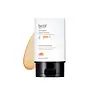
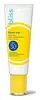
Belif UV Protector Multi Sunscreen+ SPF 50+ Versus Bliss Block Star Invisible Daily Sunscreen SPF 30
This hybrid sunscreen covers the full UV range and blocks ~98% of UVB at SPF 50.
This sunscreen offers SPF 30 protection with a matte finish that helps control shine.


What's inside
What's inside
 Key Ingredients
Benefits
Concerns
Ingredients Side-by-side
Water
Skin ConditioningCyclopentasiloxane
Emollient
Butylene Glycol
Humectant

Zinc Oxide
Cosmetic Colorant


Ethylhexyl Methoxycinnamate
UV Absorber
Titanium Dioxide
Cosmetic Colorant
PEG-10 Dimethicone
Skin Conditioning
Phenylbenzimidazole Sulfonic Acid
UV Absorber
Glycerin
Humectant
Dipropylene Glycol
HumectantTromethamine
BufferingPanthenol
Skin Conditioning

Disteardimonium Hectorite
StabilisingHexyldecyl Ethylhexanoate
EmollientCetyl Ethylhexanoate
EmollientAtractylodes Japonica Root Oil
Bleaching
Avena Sativa Kernel Extract
Abrasive

Calendula Officinalis Flower Extract
Masking
Nepeta Cataria Extract
TonicRubus Idaeus Leaf Extract
Skin ConditioningCanna Indica Root Extract
Skin ConditioningStellaria Media Extract
Skin ConditioningHamamelis Virginiana Extract
Antiseborrhoeic


Corchorus Olitorius Leaf Extract
Skin ConditioningDimethicone/Methicone Copolymer
Hexyl Laurate
Emollient
Methicone
Emollient
Alumina
Abrasive
Dimethicone/Vinyl Dimenthicone Cross Polymer
Dimethicone Crosspolymer
Emulsion Stabilising
Dimethicone
Emollient
Acrylates/Dimethicone Copolymer
Skin Conditioning
Alanyl Glutamine
HumectantZinc Stearate
Cosmetic ColorantSorbitan Sesquiisostearate
Emulsifying
1,2-Hexanediol
Skin Conditioning
Mica
Cosmetic ColorantVp/Eicosene Copolymer
Nylon-12
Distearyldimonium Chloride
Dipotassium Glycyrrhizate
Humectant
Tocopheryl Acetate
Antioxidant

CI 77492
Cosmetic ColorantTriethoxycaprylylsilane
Vinyl Dimethicone/Methicone Silsesquioxane Crosspolymer
CI 77491
Cosmetic ColorantCI 77499
Cosmetic ColorantParfum
Masking
Citronellol
Perfuming
Limonene
Perfuming
Geranyl Linalool
Perfuming
Squalane
Emollient
Sclerotium Gum
Emulsion StabilisingSodium Methyl Stearoyl Taurate
CleansingCitral
Perfuming
Geraniol
Perfuming
Linalool
Perfuming
Water, Cyclopentasiloxane, Butylene Glycol, Zinc Oxide, Ethylhexyl Methoxycinnamate, Titanium Dioxide, PEG-10 Dimethicone, Phenylbenzimidazole Sulfonic Acid, Glycerin, Dipropylene Glycol, Tromethamine, Panthenol, Disteardimonium Hectorite, Hexyldecyl Ethylhexanoate, Cetyl Ethylhexanoate, Atractylodes Japonica Root Oil, Avena Sativa Kernel Extract, Calendula Officinalis Flower Extract, Nepeta Cataria Extract, Rubus Idaeus Leaf Extract, Canna Indica Root Extract, Stellaria Media Extract, Hamamelis Virginiana Extract, Corchorus Olitorius Leaf Extract, Dimethicone/Methicone Copolymer, Hexyl Laurate, Methicone, Alumina, Dimethicone/Vinyl Dimenthicone Cross Polymer, Dimethicone Crosspolymer, Dimethicone, Acrylates/Dimethicone Copolymer, Alanyl Glutamine, Zinc Stearate, Sorbitan Sesquiisostearate, 1,2-Hexanediol, Mica, Vp/Eicosene Copolymer, Nylon-12, Distearyldimonium Chloride, Dipotassium Glycyrrhizate, Tocopheryl Acetate, CI 77492, Triethoxycaprylylsilane, Vinyl Dimethicone/Methicone Silsesquioxane Crosspolymer, CI 77491, CI 77499, Parfum, Citronellol, Limonene, Geranyl Linalool, Squalane, Sclerotium Gum, Sodium Methyl Stearoyl Taurate, Citral, Geraniol, Linalool
Water
Skin ConditioningCyclopentasiloxane
Emollient
Butylene Glycol
Humectant
Glycerin
Humectant
Dicaprylyl Carbonate
EmollientPropylene Glycol Dicaprylate
EmollientDisiloxane
Skin Conditioning
Dimethicone/Vinyl Dimethicone Crosspolymer
Skin Conditioning
Dimethicone
Emollient
PEG-10 Dimethicone
Skin Conditioning
Sodium Acrylates Crosspolymer-2
AbsorbentPolymethylsilsesquioxane
Butyloctyl Salicylate
Skin Conditioning
Vinyl Dimethicone/Methicone Silsesquioxane Crosspolymer
Vaccinium Angustifolium Fruit Extract
Skin Protecting
Oenothera Biennis Flower Extract
AstringentEuterpe Oleracea Fruit Extract
Hibiscus Sabdariffa Flower Extract
Skin ConditioningCamellia Sinensis Leaf Extract
Antimicrobial
Pinus Palustris Leaf Extract
TonicUlmus Davidiana Root Extract
Skin Conditioning
Pueraria Lobata Root Extract
HumectantEnantia Chlorantha Bark Extract
Skin ConditioningLavandula Angustifolia Oil
Masking
Rosa Canina Fruit Oil
Emollient
Anthemis Nobilis Flower Oil
Masking
Sodium Hyaluronate
Humectant
Oleanolic Acid
Skin ConditioningSqualane
Emollient
Glyceryl Caprylate
EmollientAluminum Hydroxide
EmollientPolyglyceryl-6 Polyricinoleate
Emulsifying
Sorbitan Caprylate
EmulsifyingStearic Acid
Cleansing
Synthetic Fluorphlogopite
Triethoxycaprylylsilane
Dipropylene Glycol
Humectant1,2-Hexanediol
Skin Conditioning
Dimethicone/PEG-10/15 Crosspolymer
Disteardimonium Hectorite
StabilisingMagnesium Sulfate
Ethylhexylglycerin
Skin ConditioningIron Oxides
Water, Cyclopentasiloxane, Butylene Glycol, Glycerin, Dicaprylyl Carbonate, Propylene Glycol Dicaprylate, Disiloxane, Dimethicone/Vinyl Dimethicone Crosspolymer, Dimethicone, PEG-10 Dimethicone, Sodium Acrylates Crosspolymer-2, Polymethylsilsesquioxane, Butyloctyl Salicylate, Vinyl Dimethicone/Methicone Silsesquioxane Crosspolymer, Vaccinium Angustifolium Fruit Extract, Oenothera Biennis Flower Extract, Euterpe Oleracea Fruit Extract, Hibiscus Sabdariffa Flower Extract, Camellia Sinensis Leaf Extract, Pinus Palustris Leaf Extract, Ulmus Davidiana Root Extract, Pueraria Lobata Root Extract, Enantia Chlorantha Bark Extract, Lavandula Angustifolia Oil, Rosa Canina Fruit Oil, Anthemis Nobilis Flower Oil, Sodium Hyaluronate, Oleanolic Acid, Squalane, Glyceryl Caprylate, Aluminum Hydroxide, Polyglyceryl-6 Polyricinoleate, Sorbitan Caprylate, Stearic Acid, Synthetic Fluorphlogopite, Triethoxycaprylylsilane, Dipropylene Glycol, 1,2-Hexanediol, Dimethicone/PEG-10/15 Crosspolymer, Disteardimonium Hectorite, Magnesium Sulfate, Ethylhexylglycerin, Iron Oxides
Reviews
Ingredients Explained
These ingredients are found in both products.
Ingredients higher up in an ingredient list are typically present in a larger amount.
1,2-Hexanediol is a synthetic liquid and another multi-functional powerhouse.
It is a:
- Humectant, drawing moisture into the skin
- Emollient, helping to soften skin
- Solvent, dispersing and stabilizing formulas
- Preservative booster, enhancing the antimicrobial activity of other preservatives
Butylene Glycol (or BG) is used within cosmetic products for a few different reasons:
Overall, Butylene Glycol is a safe and well-rounded ingredient that works well with other ingredients.
Though this ingredient works well with most skin types, some people with sensitive skin may experience a reaction such as allergic rashes, closed comedones, or itchiness.
Learn more about Butylene GlycolCyclopentasiloxane (D5) is a lightweight silicone that mostly acts as an emollient and solvent in cosmetics. Its the reason your products feel silky, fast-spreading, and non-greasy.
Since D5 is volatile, it does its thing and then evaporates off the skin quickly.
The safety profile of this ingredient is reassuring; the US CIR Expert Panel concluded D5 is safe as used in cosmetics and Health Canada concluded that D5 is not harmful to human health or the environment as currently used in cosmetics
There's a study that people mention about D5 in a rat study showing tumors. This study is related to long-term inhalation of high D5 levels.
Regulatory bodies have judged this study to be not applicable in topical skincare since skin absorption of D5 is very low and we're not really inhaling huge amounts of D5.
The only restriction for this ingredient is environmental. The European Chemicals Agency (ECHA) restricted D5 in wash-off cosmetics at or above 0.1% due to their persistence in water.
Learn more about CyclopentasiloxaneDimethicone is a type of synthetic silicone created from natural materials such as quartz. It is also known as polydimethylsiloxane.
What it does:
Dimethicone comes in different viscosities:
Depending on the viscosity, dimethicone has different properties.
Ingredients lists don't always show which type is used, so we recommend reaching out to the brand if you have questions about the viscosity.
This ingredient is unlikely to cause irritation because it does not get absorbed into skin. However, people with silicone allergies should be careful about using this ingredient.
Note: Dimethicone may contribute to pilling. This is because it is not oil or water soluble, so pilling may occur when layered with products. When mixed with heavy oils in a formula, the outcome is also quite greasy.
Learn more about DimethiconeDipropylene Glycol is a synthetically created humectant, stabilizer, and solvent.
This ingredient helps:
Dipropylene glycol is technically an alcohol, but it belongs to the glycol family (often considered part of the ‘good’ alcohols). This means it is hydrating and gentle on skin unlike drying solvent alcohols like denatured alcohol.
As a masking agent, Dipropylene Glycol can be used to cover the smell of other ingredients. However, it does not have a scent.
Studies show Dipropylene Glycol is considered safe to use in skincare.
Learn more about Dipropylene GlycolDisteardimonium Hectorite comes from the clay mineral named hectorite. It is used to add thickness to a product.
It can also help stabilize a product by helping to disperse other ingredients.
Hectorite is a rare, white clay mineral.
Learn more about Disteardimonium HectoriteGlycerin (or glycerol) is a compound naturally found in your skin. It's a powerhouse humectant that pulls water into the stratum corneum.
Topically, glycerin does several things at once:
Your skin makes glycerin on its own (mostly from sebaceous oil breakdown) and shuttles it to your outermost layer of skin, or your epidermis, via aquaporin-3.
Aquaporin-3 is a transporter that is essential for normal skin hydration, elasticity, and repair. Interestingly, mice lacking in AQP3 have dry and less elastic skin that can be fully corrected with glycerin.
This ingredient is non-irritating, plays well with almost every ingredient, and works across all skin types. Typical use is anywhere between 3-10% but can go up to 79% in some leave-on products.
Just know very high concentrations (>40%) can feel tacky in low humidity.
Glycerin is the name for this ingredient in American English. British English uses Glycerol/Glycerine.
Learn more about GlycerinPeg-10 Dimethicone is silicone with conditioner and emulsifier properties. It mostly acts as an emollient in skincare and and humectant in haircare.
According to the manufacturer, acidic formulations decrease the stability of this ingredient. It works best in neutral or near neutral formulations.
Squalane is the hydrogenated and shelf-stable form of squalene (a lipid that naturally occurs in human sebum).
It is an emollient and skin conditioning agent that is able to integrate seamlessly into the skin's lipid barrier without clogging pores.
This is due to how structurally similar it is to what your skin already produces.
Though it is mostly an emollient that helps soften and hydrate skin, it also has some humectant and occlusive action. Humectants help the skin retain moisture while occlusives seal it in, making squalane a triple-threat moisturizer.
Research shows it has antioxidant capabilities that help protect against stressors like UV exposure, specifically UVA induced oxidative stress. This study also found that it supports collagen biosynthesis in human dermal fibroblasts.
No clinical study has reported significant adverse effects and irritation reactions are very rare from this ingredient (even at 100% concentration).
Overall, it's a fantastic ingredient for hydration and is suitable for all skin types.
This depends on the source. Squalane can be derived from both plants and animals. Most squalane used in skincare comes from plants.
Please note: the source of squalane is only known if disclosed by the brand. We recommend reaching out to the brand if you have any questions about their squalane.
Read more about squalene with an "e".
Though squalane is often called an oil, it’s technically not one. It is a hydrocarbon, meaning it is only made of carbon and hydrogen. True oils are triglycerides and made of fatty acids and glycerol.
The term “oil-free” isn’t regulated so companies can define it however they want. Some exclude all oils, while others just avoid mineral oil or comedogenic oils.
Squalane has a comedogenic rating of 1 from the original 1972 study that tested raw ingredients under occlusion on rabbit ears. This system is not standardized or peer-reviewed, and using the raw ingredients is very different from how diluted cosmetic formulations are used on human skin.
A comedogenic rating of 1 means it is "unlikely to clog pores" according to the original rating system.
The overall formula of a product matters more than the individual ingredients on whether or not it will cause clogged pores.
Learn more about SqualaneTriethoxycaprylylsilane is a silicon-based surface modifier that makes sunscreens feel silky and makeup stay put.
Its main job is to coat mineral particles like titanium dioxide, zinc oxide, and color pigments in a thin, oily layer so they spread smoothly, don't clump, and stick to skin better.
This ingredient is typically used at low levels (up to 2.5% in eyeshadow and 1% in lipstick).
Learn more about TriethoxycaprylylsilaneThis ingredient is used in makeup and skincare to thicken formulas, reduce shine, and give skin a silky-smooth feel.
It’s a white silicone powder that sits in fine lines and pores to blur their appearance though its effectiveness depends on the particle size.
You'll typically find this ingredient in amounts between 0.1-20%.
Learn more about Vinyl Dimethicone/Methicone Silsesquioxane CrosspolymerWater. It's the most common cosmetic ingredient of all. You'll usually see it at the top of ingredient lists, meaning that it makes up the largest part of the product.
So why is it so popular? Water most often acts as a solvent - this means that it helps dissolve other ingredients into the formulation.
You'll also recognize water as that liquid we all need to stay alive. If you see this, drink a glass of water. Remember to stay hydrated!
Learn more about Water

