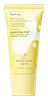
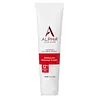
Beekman 1802 Shine Control Gel Cream Moisturizer Versus Alpha Skin Care Enhanced Renewal Cream 12% Glycolic AHA
This oil-control moisturizer is formulated around Lactobacillus Ferment and Lactic Acid to balance excess oil and strengthen the skin barrier.
This smoothing moisturizer is formulated around Glycolic Acid and Camellia Sinensis Leaf Extract to refine skin texture and soften the look of wrinkles.

What's inside
What's inside
 Key Ingredients
Benefits
Concerns
Ingredients Side-by-side
Water
Skin ConditioningPropanediol
Solvent

Lactobacillus Ferment
Skin Conditioning
Hydrogenated Ethylhexyl Olivate
EmollientCaprylic/Capric Triglyceride
Masking
Glyceryl Stearate Se
Emulsifying




Alpha-Glucan Oligosaccharide
Cleansing
Epimedium Sagittatum Leaf/Stem Extract
Antioxidant
Hydrolyzed Oat Protein
Skin ConditioningCocos Nucifera Fruit Powder
Skin Conditioning
Lactic Acid
Buffering








Acetyl Heptapeptide-4
Humectant
Polyglutamic Acid
Skin Conditioning
Sodium Acetylated Hyaluronate
Humectant
Sodium Hyaluronate
Humectant
Sodium Hyaluronate Crosspolymer
Humectant
Hydrolyzed Sodium Hyaluronate
Skin Conditioning
Lactobacillus
Skin ConditioningInulin
Skin Conditioning
Maltodextrin
Absorbent
Sodium Starch Octenylsuccinate
AbsorbentCarbomer
Emulsion StabilisingLeuconostoc/Radish Root Ferment Filtrate
Antimicrobial
Saccharomyces Ferment Lysate Filtrate
Skin Conditioning
Citric Acid
Buffering
Sodium Benzoate
Masking
Stearic Acid
Cleansing
Capryloyl Glycerin/Sebacic Acid Copolymer
Skin ConditioningDiheptyl Succinate
EmollientSodium Hydroxide
BufferingPotassium Sorbate
Preservative
Menthyl Lactate
Masking
Cocos Nucifera Fruit Extract
Emollient
Hydrogenated Olive Oil Unsaponifiables
Emollient
Citrus Aurantium Dulcis Peel Oil
Masking
Sodium Phytate
ChelatingButyrospermum Parkii Butter
Skin Conditioning
Caprylyl Glycol
Emollient
Betula Alba Bark Extract
Masking
Glycerin
Humectant
Pentylene Glycol
Skin Conditioning
Ethylhexylglycerin
Skin ConditioningWater, Propanediol, Lactobacillus Ferment, Hydrogenated Ethylhexyl Olivate, Caprylic/Capric Triglyceride, Glyceryl Stearate Se, Alpha-Glucan Oligosaccharide, Epimedium Sagittatum Leaf/Stem Extract, Hydrolyzed Oat Protein, Cocos Nucifera Fruit Powder, Lactic Acid, Acetyl Heptapeptide-4, Polyglutamic Acid, Sodium Acetylated Hyaluronate, Sodium Hyaluronate, Sodium Hyaluronate Crosspolymer, Hydrolyzed Sodium Hyaluronate, Lactobacillus, Inulin, Maltodextrin, Sodium Starch Octenylsuccinate, Carbomer, Leuconostoc/Radish Root Ferment Filtrate, Saccharomyces Ferment Lysate Filtrate, Citric Acid, Sodium Benzoate, Stearic Acid, Capryloyl Glycerin/Sebacic Acid Copolymer, Diheptyl Succinate, Sodium Hydroxide, Potassium Sorbate, Menthyl Lactate, Cocos Nucifera Fruit Extract, Hydrogenated Olive Oil Unsaponifiables, Citrus Aurantium Dulcis Peel Oil, Sodium Phytate, Butyrospermum Parkii Butter, Caprylyl Glycol, Betula Alba Bark Extract, Glycerin, Pentylene Glycol, Ethylhexylglycerin
Water
Skin ConditioningGlycolic Acid
Buffering

Sodium Hydroxide
BufferingCetyl Alcohol
Emollient
Propylene Glycol
Humectant
Dicaprylyl Carbonate
EmollientStearic Acid
Cleansing
PEG-40 Stearate
Emulsifying
C12-15 Alkyl Benzoate
AntimicrobialPolysorbate 60
Emulsifying
Steareth-2
EmulsifyingHydrolyzed Lupine Protein
Skin ConditioningCamellia Sinensis Leaf Extract
Antimicrobial
Panthenol
Skin Conditioning
Tocopheryl Acetate
Antioxidant
Xanthan Gum
EmulsifyingPvm/Ma Decadiene Crosspolymer
Diazolidinyl Urea
Preservative
Iodopropynyl Butylcarbamate
Preservative
BHT
Antioxidant
Water, Glycolic Acid, Sodium Hydroxide, Cetyl Alcohol, Propylene Glycol, Dicaprylyl Carbonate, Stearic Acid, PEG-40 Stearate, C12-15 Alkyl Benzoate, Polysorbate 60, Steareth-2, Hydrolyzed Lupine Protein, Camellia Sinensis Leaf Extract, Panthenol, Tocopheryl Acetate, Xanthan Gum, Pvm/Ma Decadiene Crosspolymer, Diazolidinyl Urea, Iodopropynyl Butylcarbamate, BHT
Reviews
Ingredients Explained
These ingredients are found in both products.
Ingredients higher up in an ingredient list are typically present in a larger amount.
Sodium Hydroxide is also known as lye or caustic soda. It is used to adjust the pH of products; many ingredients require a specific pH to be effective.
In small amounts, sodium hydroxide is considered safe to use. However, large amounts may cause chemical burns due to its high alkaline.
Your skin has a natural pH and acid mantle. This acid mantle helps prevent harmful bacteria from breaking through. The acid mantle also helps keep your skin hydrated.
"Alkaline" refers to a high pH level. A low pH level would be considered acidic.
Learn more about Sodium HydroxideStearic Acid is a fatty acid that is already found in your skin. It's one of the free fatty acids that works alongside ceramides and cholesterols to maintain your barrier.
In cosmetics, it is a multitasker:
Safety-wise, the CIR Expert Panel has concluded it to be safe in cosmetics when formulated to be non-irritating and non-sensitizing.
Free stearic acid is a C18 fatty acid that the Malassezia yeast can substrate, so this ingredient may not be fungal acne safe.
This ingredient does have a comedogenic rating of 2-3, but this doesn't mean a formula with this ingredient will clog pores.
Human testing has proved that any finished product with this ingredient won't automatically make you break out; it really comes down to concentration, formula, and your skin.
Learn more about Stearic AcidWater. It's the most common cosmetic ingredient of all. You'll usually see it at the top of ingredient lists, meaning that it makes up the largest part of the product.
So why is it so popular? Water most often acts as a solvent - this means that it helps dissolve other ingredients into the formulation.
You'll also recognize water as that liquid we all need to stay alive. If you see this, drink a glass of water. Remember to stay hydrated!
Learn more about Water

