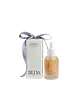
This smoothing essence is formulated around Niacinamide and Salicylic Acid to refine skin texture and calm redness.
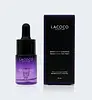
This brightening essence is formulated around Glycolic Acid and Niacinamide to fade the look of dark spots and refine skin texture.


What's inside
What's inside
 Key Ingredients
Benefits
Concerns
Ingredients Side-by-side
Water
Skin ConditioningGlycerin
Humectant


Niacinamide
Smoothing









Butylene Glycol
Humectant
Salicylic Acid
Masking





Limnanthes Alba Seed Oil
Skin Conditioning

Chamomilla Recutita Flower Extract
Masking
Argania Spinosa Kernel Oil
Emollient
Allantoin
Skin Conditioning
Aloe Barbadensis Leaf Juice
Skin Conditioning
Camellia Sinensis Extract
Antioxidant
Chrysanthemum Parthenium Extract
Skin ConditioningHydroxydecyl Ubiquinone
Antioxidant
Pentylene Glycol
Skin Conditioning
Ceramide NP
Skin Conditioning
Propanediol
Solvent
Glycyrrhiza Glabra Root Extract
Bleaching
Panax Ginseng Root Extract
Emollient
Ziziphus Jujuba Fruit Extract
Skin ConditioningArtemisia Capillaris Extract
Scutellaria Baicalensis Root Extract
Astringent
Morus Alba Root Extract
BleachingSodium Hyaluronate
Humectant
Lecithin
Emollient
Magnolol
Antioxidant
Glycine
Buffering
Serine
Masking
Glutamic Acid
Humectant
Aspartic Acid
Masking
Leucine
Skin ConditioningAlanine
Masking
Lysine
Skin ConditioningArginine
Masking
Tyrosine
MaskingPhenylalanine
Masking
Threonine
Proline
Skin Conditioning
Valine
MaskingIsoleucine
Skin ConditioningHistidine
Humectant
Helianthus Annuus Seed Oil
Emollient
Tetrasodium EDTA
Potassium Sorbate
Preservative
Sodium Benzoate
Masking
Xanthan Gum
EmulsifyingPropylene Glycol
Humectant
Canola Oil
Emollient

Glyceryl Polyacrylate
PEG-7 Glyceryl Cocoate
Emulsifying
Sodium Polyacrylate
Absorbent
Sodium Polyacryloyldimethyl Taurate
Emulsion StabilisingHydrogenated Polydecene
EmollientEthylhexylglycerin
Skin ConditioningPolyglyceryl-10 Stearate
Skin Conditioning
Octoxynol-10
EmulsifyingTrideceth-10
CleansingBiosaccharide Gum-1
Humectant
Phenoxyethanol
Preservative
Water, Glycerin, Niacinamide, Butylene Glycol, Salicylic Acid, Limnanthes Alba Seed Oil, Chamomilla Recutita Flower Extract, Argania Spinosa Kernel Oil, Allantoin, Aloe Barbadensis Leaf Juice, Camellia Sinensis Extract, Chrysanthemum Parthenium Extract, Hydroxydecyl Ubiquinone, Pentylene Glycol, Ceramide NP, Propanediol, Glycyrrhiza Glabra Root Extract, Panax Ginseng Root Extract, Ziziphus Jujuba Fruit Extract, Artemisia Capillaris Extract, Scutellaria Baicalensis Root Extract, Morus Alba Root Extract, Sodium Hyaluronate, Lecithin, Magnolol, Glycine, Serine, Glutamic Acid, Aspartic Acid, Leucine, Alanine, Lysine, Arginine, Tyrosine, Phenylalanine, Threonine, Proline, Valine, Isoleucine, Histidine, Helianthus Annuus Seed Oil, Tetrasodium EDTA, Potassium Sorbate, Sodium Benzoate, Xanthan Gum, Propylene Glycol, Canola Oil, Glyceryl Polyacrylate, PEG-7 Glyceryl Cocoate, Sodium Polyacrylate, Sodium Polyacryloyldimethyl Taurate, Hydrogenated Polydecene, Ethylhexylglycerin, Polyglyceryl-10 Stearate, Octoxynol-10, Trideceth-10, Biosaccharide Gum-1, Phenoxyethanol
Water
Skin ConditioningPropylene Glycol
Humectant
Glycolic Acid
Buffering

Niacinamide
Smoothing
Glycerin
Humectant
Gluconolactone
Skin Conditioning
Tranexamic Acid
Astringent
Salicylic Acid
Masking
Xanthan Gum
EmulsifyingMorus Alba Fruit Extract
Antioxidant
Daucus Carota Sativa Root Extract
Skin Conditioning
Butylene Glycol
Humectant
Sodium Hydroxymethylglycinate
Preservative
Aloe Barbadensis Leaf Extract
Emollient
Glycyrrhiza Uralensis Root Extract
Skin Conditioning
Tetrasodium EDTA
1,2-Hexanediol
Skin Conditioning
Water, Propylene Glycol, Glycolic Acid, Niacinamide, Glycerin, Gluconolactone, Tranexamic Acid, Salicylic Acid, Xanthan Gum, Morus Alba Fruit Extract, Daucus Carota Sativa Root Extract, Butylene Glycol, Sodium Hydroxymethylglycinate, Aloe Barbadensis Leaf Extract, Glycyrrhiza Uralensis Root Extract, Tetrasodium EDTA, 1,2-Hexanediol
Reviews
Ingredients Explained
These ingredients are found in both products.
Ingredients higher up in an ingredient list are typically present in a larger amount.
Butylene Glycol (or BG) is used within cosmetic products for a few different reasons:
Overall, Butylene Glycol is a safe and well-rounded ingredient that works well with other ingredients.
Though this ingredient works well with most skin types, some people with sensitive skin may experience a reaction such as allergic rashes, closed comedones, or itchiness.
Learn more about Butylene GlycolGlycerin (or glycerol) is a compound naturally found in your skin. It's a powerhouse humectant that pulls water into the stratum corneum.
Topically, glycerin does several things at once:
Your skin makes glycerin on its own (mostly from sebaceous oil breakdown) and shuttles it to your outermost layer of skin, or your epidermis, via aquaporin-3.
Aquaporin-3 is a transporter that is essential for normal skin hydration, elasticity, and repair. Interestingly, mice lacking in AQP3 have dry and less elastic skin that can be fully corrected with glycerin.
This ingredient is non-irritating, plays well with almost every ingredient, and works across all skin types. Typical use is anywhere between 3-10% but can go up to 79% in some leave-on products.
Just know very high concentrations (>40%) can feel tacky in low humidity.
Glycerin is the name for this ingredient in American English. British English uses Glycerol/Glycerine.
Learn more about GlycerinNiacinamide is a multitasking form of vitamin B3 that strengthens the skin barrier, reduces pores and dark spots, regulates oil, and improves signs of aging.
And the best part? It's gentle and well-tolerated by most skin types, including sensitive and reactive skin.
You might have heard of "niacin flush", or the reddening of skin that causes itchiness. Niacinamide has not been found to cause this.
In very rare cases, some individuals may not be able to tolerate niacinamide at all or experience an allergic reaction to it.
If you are experiencing flaking, irritation, and dryness with this ingredient, be sure to double check all your products as this ingredient can be found in all categories of skincare.
When incorporating niacinamide into your routine, look out for concentration amounts. Typically, 5% niacinamide provides benefits such as fading dark spots. However, if you have sensitive skin, it is better to begin with a smaller concentration.
When you apply niacinamide to your skin, your body converts it into nicotinamide adenine dinucleotide (NAD). NAD is an essential coenzyme that is already found in your cells as "fuel" and powers countless biological processes.
In your skin, NAD helps repair cell damage, produce new healthy cells, support collagen production, strengthen the skin barrier, and fight environmental stressors (like UV and pollution).
Our natural NAD levels start to decline with age, leading to slower skin repair, visible aging, and a weaker skin barrier. By providing your skin niacinamide, you're recharging your skin's NAD levels. This leads to stronger, healthier, and younger looking skin.
Another name for vitamin B3 is nicotinamide. This vitamin is water-soluble and our bodies don't store it. We obtain Vitamin B3 from either food or skincare. Meat, fish, wheat, yeast, and leafy greens contain vitamin B3.
The type of niacinamide used in skincare is synthetically created.
Learn more about NiacinamidePropylene Glycol is a synthetic, colorless, odorless liquid that has been a staple in cosmetics for decades. It is a skin conditioning agent, humectant, and solvent.
As a humectant, it draw water to the skin to reduce flaking and restore suppleness. It's also a solvent that helps dissolve other actives and keeps formulas stable across temperature changes.
The CIR Expert Panel has confirmed this ingredient to be nontoxic and clinical studies show no sensitization at cosmetic use concentrations.
True allergic reactions are quite rare: a 15-year retrospective study of 6,751 patients found only 0.31% had a positive reaction (and less than half were considered clinically relevant).
It seemed that when sensitization does occur, it's most commonly linked to topical medication (like corticosteroids) and not cosmetics. Allergic contact dermatitis also appears largely limited to individuals with underlying skin conditions.
Overall, propylene glycol is a well-studied ingredient that most people can tolerate without issue.
Learn more about Propylene GlycolSalicylic Acid (also known as beta hydroxy acid or BHA) is a well-known ingredient for treating skin that struggles with acne and clogged pores. It exfoliates both the skin's surface and deep within the pores to help clear out buildup, control oil, and reduce inflammation.
Unlike AHAs (alpha hydroxy acids), salicylic acid is oil-soluble. This allows it to penetrate into pores which makes it especially effective for treating blackheads and preventing future breakouts.
Salicylic acid is also known for its soothing properties. It has a similar structure to aspirin and can calm inflamed or irritated skin, making it a good option for acne-prone skin that is also sensitive.
Concentrations of 0.5-2% are recognized by the U.S. FDA as an over-the-counter topical acne product.
It can cause irritation and/or dryness if one's skin already has a compromised moisture barrier, so it's best to focus on repairing that before introducing this ingredient into your routine.
While salicylic acid does not increase sun sensitivity, it’s still important to wear sunscreen daily to protect your skin.
If you are looking for the ingredient called BHA or Butylated Hydroxyanisole, click here.
Learn more about Salicylic AcidTetrasodium EDTA is the salt formed from neutralizing ethylenediamine tetraacetic acid with sodium hydroxide. It is a chelating agent and used to prevent metal ions from binding to other ingredients. This helps keep the product and ingredients stable.
Tetrasodium EDTA comes as a white solid and is soluble in water.
Water. It's the most common cosmetic ingredient of all. You'll usually see it at the top of ingredient lists, meaning that it makes up the largest part of the product.
So why is it so popular? Water most often acts as a solvent - this means that it helps dissolve other ingredients into the formulation.
You'll also recognize water as that liquid we all need to stay alive. If you see this, drink a glass of water. Remember to stay hydrated!
Learn more about WaterXanthan gum is used as a stabilizer and thickener within cosmetic products. It helps give products a sticky, thick feeling - preventing them from being too runny.
On the technical side of things, xanthan gum is a polysaccharide - a combination consisting of multiple sugar molecules bonded together.
Xanthan gum is a pretty common and great ingredient. It is a natural, non-toxic, non-irritating ingredient that is also commonly used in food products.
Learn more about Xanthan Gum

