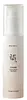
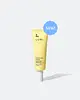
Beauty of Joseon Ginseng Moist Sun Serum SPF 50+ PA++++ Versus Lumi Vitamin Glow Mineral Sunscreen SPF50 PA++++
This chemical sunscreen covers the full UV range and blocks ~98% of UVB at SPF 50.
This mineral sunscreen covers the full UV range and blocks ~98% of UVB at SPF 50.


What's inside
What's inside
 Key Ingredients
Benefits
Concerns
Ingredients Side-by-side
Water
Skin ConditioningButylene Glycol
Humectant

Dibutyl Adipate
EmollientDiethylamino Hydroxybenzoyl Hexyl Benzoate
UV Filter
Bis-Ethylhexyloxyphenol Methoxyphenyl Triazine
UV Absorber
Alcohol
Antimicrobial




Acrylates Copolymer
Butyloctyl Salicylate
Skin Conditioning
C12-15 Alkyl Benzoate
AntimicrobialEthylhexyl Triazone
UV Absorber
Phenethyl Benzoate
Emollient

Arbutin
Antioxidant




1,2-Hexanediol
Skin Conditioning
Silica
Abrasive


Methylpropanediol
SolventIsoamyl P-Methoxycinnamate
UV Absorber
Polysilicone-15
UV Filter
Polymethylsilsesquioxane
Panax Ginseng Root Extract
Emollient

Pentylene Glycol
Skin Conditioning
Dibutyl Ethylhexanoyl Glutamide
Skin ConditioningDibutyl Lauroyl Glutamide
Skin ConditioningC30-45 Alkyldimethylsilyl Polypropylsilsesquioxane
Ammonium Acryloyldimethyltaurate/Vp Copolymer
Sodium Acrylates Crosspolymer-2
AbsorbentSodium Polyacryloyldimethyl Taurate
Emulsion StabilisingEthyl Hexanediol
SolventHydroxyacetophenone
Antioxidant
Panax Ginseng Berry Extract
Skin Conditioning
Panax Ginseng Extract
Antioxidant
Panax Ginseng Leaf/Stem Extract
Skin ConditioningAdenosine
Skin Conditioning
Xanthan Gum
EmulsifyingDisodium EDTA
ChelatingEthylhexylglycerin
Skin ConditioningGlycerin
Humectant
Tocopherol
Antioxidant
Water, Butylene Glycol, Dibutyl Adipate, Diethylamino Hydroxybenzoyl Hexyl Benzoate, Bis-Ethylhexyloxyphenol Methoxyphenyl Triazine, Alcohol, Acrylates Copolymer, Butyloctyl Salicylate, C12-15 Alkyl Benzoate, Ethylhexyl Triazone, Phenethyl Benzoate, Arbutin, 1,2-Hexanediol, Silica, Methylpropanediol, Isoamyl P-Methoxycinnamate, Polysilicone-15, Polymethylsilsesquioxane, Panax Ginseng Root Extract, Pentylene Glycol, Dibutyl Ethylhexanoyl Glutamide, Dibutyl Lauroyl Glutamide, C30-45 Alkyldimethylsilyl Polypropylsilsesquioxane, Ammonium Acryloyldimethyltaurate/Vp Copolymer, Sodium Acrylates Crosspolymer-2, Sodium Polyacryloyldimethyl Taurate, Ethyl Hexanediol, Hydroxyacetophenone, Panax Ginseng Berry Extract, Panax Ginseng Extract, Panax Ginseng Leaf/Stem Extract, Adenosine, Xanthan Gum, Disodium EDTA, Ethylhexylglycerin, Glycerin, Tocopherol
Water
Skin ConditioningZinc Oxide
Cosmetic Colorant
Propanediol
Solvent
Coco-Caprylate
Emollient
C14-22 Alcohols
Emulsion Stabilising
1,2-Hexanediol
Skin Conditioning
Butylene Glycol
Humectant
Polyhydroxystearic Acid
Emulsifying
Glyceryl Stearate
Emollient
C12-15 Alkyl Benzoate
AntimicrobialTriethoxycaprylylsilane
C12-20 Alkyl Glucoside
EmulsifyingPolyglyceryl-10 Laurate
Skin Conditioning
Ammonium Acryloyldimethyltaurate/Vp Copolymer
Methyl Trimethicone
Skin Conditioning
Citrus Aurantium Dulcis Peel Oil
Masking

Polyacrylate Crosspolymer-6
Emulsion StabilisingCitrus Aurantium Bergamia Fruit Oil
Masking
Prunus Persica Fruit Extract
Abrasive
Citrus Aurantium Dulcis Fruit Extract
MaskingAmmonium Polyacryloyldimethyl Taurate
Emulsion StabilisingDimethicone/Vinyl Dimethicone Crosspolymer
Skin Conditioning
Vaccinium Macrocarpon Fruit Extract
AstringentSodium Hyaluronate
Humectant
Ethylhexylglycerin
Skin ConditioningPelargonium Graveolens Flower Oil
Masking
Disodium EDTA
ChelatingMenthone Glycerin Acetal
Refreshing
T-Butyl Alcohol
Perfuming
Glucose
Humectant
Santalum Album Oil
Masking
Linalool
Perfuming
Geraniol
Perfuming
Limonene
Perfuming
Citronellol
Perfuming
Water, Zinc Oxide, Propanediol, Coco-Caprylate, C14-22 Alcohols, 1,2-Hexanediol, Butylene Glycol, Polyhydroxystearic Acid, Glyceryl Stearate, C12-15 Alkyl Benzoate, Triethoxycaprylylsilane, C12-20 Alkyl Glucoside, Polyglyceryl-10 Laurate, Ammonium Acryloyldimethyltaurate/Vp Copolymer, Methyl Trimethicone, Citrus Aurantium Dulcis Peel Oil, Polyacrylate Crosspolymer-6, Citrus Aurantium Bergamia Fruit Oil, Prunus Persica Fruit Extract, Citrus Aurantium Dulcis Fruit Extract, Ammonium Polyacryloyldimethyl Taurate, Dimethicone/Vinyl Dimethicone Crosspolymer, Vaccinium Macrocarpon Fruit Extract, Sodium Hyaluronate, Ethylhexylglycerin, Pelargonium Graveolens Flower Oil, Disodium EDTA, Menthone Glycerin Acetal, T-Butyl Alcohol, Glucose, Santalum Album Oil, Linalool, Geraniol, Limonene, Citronellol
Reviews
Ingredients Explained
These ingredients are found in both products.
Ingredients higher up in an ingredient list are typically present in a larger amount.
1,2-Hexanediol is a synthetic liquid and another multi-functional powerhouse.
It is a:
- Humectant, drawing moisture into the skin
- Emollient, helping to soften skin
- Solvent, dispersing and stabilizing formulas
- Preservative booster, enhancing the antimicrobial activity of other preservatives
Ammonium Acryloyldimethyltaurate/Vp Copolymer is a synthetically created polymer. It's used as a film-forming agent and used to thicken the consistency of products.
Think of it as a supportive ingredient that helps your gel-creams feel silky, "cloud cream-like", and spread evenly without being greasy.
The Cosmetic Ingredient Review (CIR) Expert Panel evaluated it (along with 22 other acryloyldimethyltaurate polymers) and concluded it's:
Due to its large molecular size, it sits on the surface of skin rather than penetrating it.
Learn more about Ammonium Acryloyldimethyltaurate/Vp CopolymerButylene Glycol (or BG) is used within cosmetic products for a few different reasons:
Overall, Butylene Glycol is a safe and well-rounded ingredient that works well with other ingredients.
Though this ingredient works well with most skin types, some people with sensitive skin may experience a reaction such as allergic rashes, closed comedones, or itchiness.
Learn more about Butylene GlycolC12-15 Alkyl Benzoate is a lightweight emollient made by combinig benzoic acid with fatty alcohols that are 12-15 carbons long.
In cosmetics, it plays several roles:
The Cosmetic Review Expert Panel has concluded the alkyl benzoate group to be safe as used in cosmetics; it wasn't found to be a skin irritant and unlikely to be absorbed due to its low water solubility.
This report recorded almost 1000 reported uses with concentrations up to 59% in leave-on products but your cosmetics will typically use 0.5-15% depending on the product.
It's often called a "SPF booster": this is because it keeps UV filters properly dissolved and evenly distributed to support a sunscreen's performance. It doesn't actually raise SPF on its own.
Overall, this ingredient is well tolerated.
This ingredient is fungal acne safe because it is an ester of benzoic acid.
Think of this ingredient as two parts stuck together: an oily part and an acid part. Malassezia only gets a meal when it can snip off a fatty acid to eat. With C12-15 Alkyl Benzoate, the acid part is benzoic acid, which isn't a fatty acid and which the yeast can't use as food.
Benzoic acid is actually used as a preservative to stop yeast from growing.
The oily part is a blend of C12-15 fatty alcohols but fatty alcohols in this size range can support only a little Malassezia growth (mostly for one species of Malassezia as well).
In the ingredient, those alcohols stay locked inside the molecule. The yeast can only reach them by snipping the benzoate bond, and that type of bond is harder for it to cut than a normal fatty bond.
So not much gets released. And whatever does get snipped comes packaged with benzoic acid, which discourages yeast growth.
Learn more about C12-15 Alkyl BenzoateDisodium EDTA is a chelating agent. It grabs onto and deactivates metal ions that sneak into your products from water, packaging, or air.
This ingredient mainly works behind the scenes and helps with:
On top of that, this ingredient can counteract the effects of hard water by binding to the minerals in it.
One thing worth knowing is that Disodium EDTA has been shown to be a mild penetration enhancer. It can help other ingredients absorb into skin more effectively which can be a double-edged sword (great for actives, but can also make the active too strong if you have sensitive skin).
Clinical patch testing showed no significant skin irritation at typical use concentrations and minimal dermal absorption.
You'll most likely see this ingredient near the end of an ingredient list. It's typically found in concentrations less than 1%.
Learn more about Disodium EDTAEthylhexylglycerin is created from glycerin. It is a multitasker ingredient that:
The CIR Expert Panel found minimal skin absorption or sensitization of any kind in a safety assessment. Though this ingredient is considered well-tolerated, a small number of cases of allergic dermatitis have been published since 2002. Just be sure to patch test if you are unsure.
Industry-reported use ranges from 8% in rinse-off products and 2% in leave-on formulations.
Learn more about EthylhexylglycerinWater. It's the most common cosmetic ingredient of all. You'll usually see it at the top of ingredient lists, meaning that it makes up the largest part of the product.
So why is it so popular? Water most often acts as a solvent - this means that it helps dissolve other ingredients into the formulation.
You'll also recognize water as that liquid we all need to stay alive. If you see this, drink a glass of water. Remember to stay hydrated!
Learn more about Water

