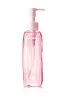
This oil-based makeup remover is made to dissolve makeup, sunscreen, and daily buildup.
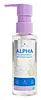
This oil-based makeup remover is made to dissolve makeup, sunscreen, and daily buildup.


What's inside
What's inside
 Key Ingredients
Benefits
Concerns
Ingredients Side-by-side
Ethylhexyl Palmitate
Emollient




Ethylhexyl Stearate
Emollient
Cetyl Ethylhexanoate
EmollientPEG-20 Glyceryl Triisostearate
Emollient
PEG-12 Laurate
Emulsifying
Butylene Glycol
Humectant

Sorbeth-30 Tetraoleate
Emulsifying
Water
Skin ConditioningParfum
Masking


Olea Europaea Fruit Oil
Masking
Phenoxyethanol
Preservative
Squalane
Emollient
Caprylic/Capric Triglyceride
Masking
Polianthes Tuberosa Extract
MaskingAnthemis Nobilis Flower Oil
Masking

Lithospermum Erythrorhizon Root Extract
Skin ConditioningHelianthus Annuus Seed Oil
Emollient
Ethylhexylglycerin
Skin ConditioningCamellia Japonica Seed Oil
Emollient
Lavandula Angustifolia Flower Extract
Cleansing
Centella Asiatica Extract
Cleansing


Artemisia Annua Extract
Masking
Hamamelis Virginiana Water
Astringent
Polygonum Cuspidatum Root Extract
Antioxidant
Scutellaria Baicalensis Root Extract
Astringent
Salvia Officinalis Leaf Extract
CleansingMandelic Acid
Antimicrobial





Glycyrrhiza Glabra Root Extract
Bleaching
Moringa Oleifera Seed Oil
Emollient
Camellia Sinensis Leaf Extract
Antimicrobial
Lactobionic Acid
Buffering
Salicylic Acid
Masking
Ligustrum Lucidum Fruit Extract
Skin ConditioningMentha Piperita Leaf Extract
Skin ConditioningJuniperus Communis Fruit Extract
Perfuming
Arctium Majus Root Extract
Skin Conditioning
Melissa Officinalis Leaf Extract
Skin ConditioningHypericum Perforatum Flower/Leaf/Stem Extract
Skin ConditioningChamomilla Recutita Flower Extract
Masking
Rosmarinus Officinalis Leaf Extract
AntimicrobialSaponaria Officinalis Leaf Extract
AntimicrobialPrunus Serotina Fruit Extract
MaskingChaenomeles Sinensis Fruit Extract
Antioxidant
Diospyros Kaki Fruit Extract
Skin ConditioningCitrus Grandis Fruit Extract
Astringent
Rubus Fruticosus Fruit Extract
AstringentMorus Nigra Fruit Extract
Skin ConditioningCalendula Officinalis Flower Extract
Masking
Alkanna Tinctoria Root Extract
Skin ConditioningAluminum Hydroxide
EmollientHydroxyacetophenone
Antioxidant
Caprylyl Glycol
Emollient
CI 45380
Cosmetic ColorantEthylhexyl Palmitate, Ethylhexyl Stearate, Cetyl Ethylhexanoate, PEG-20 Glyceryl Triisostearate, PEG-12 Laurate, Butylene Glycol, Sorbeth-30 Tetraoleate, Water, Parfum, Olea Europaea Fruit Oil, Phenoxyethanol, Squalane, Caprylic/Capric Triglyceride, Polianthes Tuberosa Extract, Anthemis Nobilis Flower Oil, Lithospermum Erythrorhizon Root Extract, Helianthus Annuus Seed Oil, Ethylhexylglycerin, Camellia Japonica Seed Oil, Lavandula Angustifolia Flower Extract, Centella Asiatica Extract, Artemisia Annua Extract, Hamamelis Virginiana Water, Polygonum Cuspidatum Root Extract, Scutellaria Baicalensis Root Extract, Salvia Officinalis Leaf Extract, Mandelic Acid, Glycyrrhiza Glabra Root Extract, Moringa Oleifera Seed Oil, Camellia Sinensis Leaf Extract, Lactobionic Acid, Salicylic Acid, Ligustrum Lucidum Fruit Extract, Mentha Piperita Leaf Extract, Juniperus Communis Fruit Extract, Arctium Majus Root Extract, Melissa Officinalis Leaf Extract, Hypericum Perforatum Flower/Leaf/Stem Extract, Chamomilla Recutita Flower Extract, Rosmarinus Officinalis Leaf Extract, Saponaria Officinalis Leaf Extract, Prunus Serotina Fruit Extract, Chaenomeles Sinensis Fruit Extract, Diospyros Kaki Fruit Extract, Citrus Grandis Fruit Extract, Rubus Fruticosus Fruit Extract, Morus Nigra Fruit Extract, Calendula Officinalis Flower Extract, Alkanna Tinctoria Root Extract, Aluminum Hydroxide, Hydroxyacetophenone, Caprylyl Glycol, CI 45380

Reviews
Ingredients Explained
These ingredients are found in both products.
Ingredients higher up in an ingredient list are typically present in a larger amount.
Cetyl Ethylhexanoate is an emollient ester. It comes from cetearyl alcohol and 2-ethylhexanoic acid.
Cetyl Ethylhexanoate is an emollient that adds a velvety feel to skin without being greasy or oily. Emollients help trap moisture into your skin, keeping your skin soft and hydrated.
Ethylhexyl Stearate is a simplease ester made fby reacting stearic acid (a fatty acid from plant or animal fats) with 2-ethylhexanol (a branched alcohol).
The result is a clear, low-viscosity, almost odorless oily liquid. Think of it as a lightweight synthetic oil that sits on the skin's surface, softens it, and slows water loss. It also works as a solvent that helps dissolve pigments and UV filters so they spread evenly.
Older ingredient lists label it as "Octyl Stearate" and it turns up the most often in makeup products.
Industry data shows usage concentration goes up to ~40% in makeup and up to 10% in moisturizer or sunscreen.
Human repeat insult patch tests with a 25.9% lip gloss and 38.8% eyebrow pencil found no sensitization. A formula with 7.6% was also not an irritant, sensitizer, and was found to be non-phototoxic across 56, 19, and 27 subjects respectively.
True contact allergy to it is rare.
This ingredient shows up on a lot of "pore-clogging" lists but there's no real evidence behind that. It doesn't even have a comedogenic rating from an actual study; the numbers you'll find online come from blogs citing other blogs.
Ratings for other ingredients mostly come from a 1980s rabbit ear test. This test doesn't translate well to human skin or to real products because the ingredient sits at a much lower percentage.
Some people still find it breaks them out. So if that's you, definitely trust your skin.
The Malassezia yeast has been found to grow in the presence of fatty acids, fatty acid esters, and fatty alcohols with chains longer than 12 carbons. Ethylhexyl Stearate releases stearic acid, an 18-carbon chain, which is right inside that range; this ingredient may not be fungal acne safe.
Learn more about Ethylhexyl StearateHelianthus Annuus Seed Oil is a plant oil derived from the seeds of a sunflower.
It is rich in fatty acids, primarily linoleic acid and oleic acid. This gives it emollient and skin conditioning properties.
The reason this ingredient is so effective is because it forms a thin film on the skin that reduces transepidermal water loss (TEWL) while supplying linoleic acid to the stratum corneum to improve barrier strength.
The high linoleic acid content is particularly noteworthy for acne-prone skin.
Research suggests that acne-prone skin tends to be deficient in linoleic acid in sebum. Topical application may help replenish this to support a healthier follicular environment and less comedone-promoting sebum.
One randomized study found sunflower seed oil preserved skin barrier integrity in adult volunteers with and without atopic dermatitis (outperforming olive oil).
This ingredient is well-studied, gentle, and an effective emollient suitable for most skin types.
On fungal acne: This ingredient may not be Fungal acne (Malassezia folliculitis) safe. This is because it contains fatty acids with carbon chain lengths in the C11-C24 range.
Learn more about Helianthus Annuus Seed OilSorbeth-30 Tetraoleate is a surfactant and emulsifier.
This ingredient is a tetraester from oleic acid and polyethylene glycol ether of sorbitol.
As an emulsifier, it helps ingredients such as oil and water mix together. This allows the dirt and oils in your skin to be washed away.
One study found pumpkin oil containing Sorbeth-30 Tetraoleate helped hydrate the skin and did not cause any irritation.
Learn more about Sorbeth-30 TetraoleateSqualane is the hydrogenated and shelf-stable form of squalene (a lipid that naturally occurs in human sebum).
It is an emollient and skin conditioning agent that is able to integrate seamlessly into the skin's lipid barrier without clogging pores.
This is due to how structurally similar it is to what your skin already produces.
Though it is mostly an emollient that helps soften and hydrate skin, it also has some humectant and occlusive action. Humectants help the skin retain moisture while occlusives seal it in, making squalane a triple-threat moisturizer.
Research shows it has antioxidant capabilities that help protect against stressors like UV exposure, specifically UVA induced oxidative stress. This study also found that it supports collagen biosynthesis in human dermal fibroblasts.
No clinical study has reported significant adverse effects and irritation reactions are very rare from this ingredient (even at 100% concentration).
Overall, it's a fantastic ingredient for hydration and is suitable for all skin types.
This depends on the source. Squalane can be derived from both plants and animals. Most squalane used in skincare comes from plants.
Please note: the source of squalane is only known if disclosed by the brand. We recommend reaching out to the brand if you have any questions about their squalane.
Read more about squalene with an "e".
Though squalane is often called an oil, it’s technically not one. It is a hydrocarbon, meaning it is only made of carbon and hydrogen. True oils are triglycerides and made of fatty acids and glycerol.
The term “oil-free” isn’t regulated so companies can define it however they want. Some exclude all oils, while others just avoid mineral oil or comedogenic oils.
Squalane has a comedogenic rating of 1 from the original 1972 study that tested raw ingredients under occlusion on rabbit ears. This system is not standardized or peer-reviewed, and using the raw ingredients is very different from how diluted cosmetic formulations are used on human skin.
A comedogenic rating of 1 means it is "unlikely to clog pores" according to the original rating system.
The overall formula of a product matters more than the individual ingredients on whether or not it will cause clogged pores.
Learn more about Squalane

