This oil-based makeup remover is made to dissolve makeup, sunscreen, and daily buildup.
This oil-based makeup remover is made to dissolve makeup, sunscreen, and daily buildup.

What's inside
What's inside
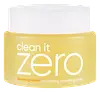 Key Ingredients
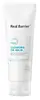
Benefits
Concerns
Ingredients Side-by-side
Ethylhexyl Stearate
Emollient




PEG-20 Glyceryl Triisostearate
Emollient
PEG-10 Isostearate
Emulsifying
Synthetic Wax
Abrasive
Carthamus Tinctorius Seed Oil
Masking

Polyglyceryl-2 Triisostearate
Emulsifying
Butylene Glycol
Humectant
Water
Skin ConditioningParfum
Masking


Glyceryl Caprylate
EmollientCaprylyl Glycol
Emollient
Panax Ginseng Root Extract
Emollient


Panax Ginseng Berry Extract
Skin Conditioning
Butyrospermum Parkii Butter
Skin Conditioning
Simmondsia Chinensis Seed Oil
Emollient
Onsen-Sui
1,2-Hexanediol
Skin Conditioning
Chenopodium Quinoa Seed Extract
Skin Conditioning
Panax Ginseng Root Water
Masking
Theobroma Cacao Extract
Skin ConditioningDextrin
AbsorbentGlycine Max Polypeptide
Skin Conditioning
Lactobacillus Ferment
Skin Conditioning
Avena Sativa Meal Extract
SoothingPanax Ginseng Seed Oil
Emollient
Lactobacillus
Skin ConditioningHydrolyzed Ginseng Saponins
Skin ConditioningEthylhexyl Stearate, PEG-20 Glyceryl Triisostearate, PEG-10 Isostearate, Synthetic Wax, Carthamus Tinctorius Seed Oil, Polyglyceryl-2 Triisostearate, Butylene Glycol, Water, Parfum, Glyceryl Caprylate, Caprylyl Glycol, Panax Ginseng Root Extract, Panax Ginseng Berry Extract, Butyrospermum Parkii Butter, Simmondsia Chinensis Seed Oil, Onsen-Sui, 1,2-Hexanediol, Chenopodium Quinoa Seed Extract, Panax Ginseng Root Water, Theobroma Cacao Extract, Dextrin, Glycine Max Polypeptide, Lactobacillus Ferment, Avena Sativa Meal Extract, Panax Ginseng Seed Oil, Lactobacillus, Hydrolyzed Ginseng Saponins
Caprylic/Capric Triglyceride
Masking
Cetyl Ethylhexanoate
EmollientPEG-7 Glyceryl Cocoate
Emulsifying
Water
Skin ConditioningBeeswax
Emulsion Stabilising
Ethylhexyl Palmitate
Emollient
Cetearyl Alcohol
Emollient
Sorbitan Olivate
Emulsifying
Myristoyl/Palmitoyl Oxostearamide/Arachamide Mea
Skin ConditioningButyrospermum Parkii Butter
Skin Conditioning
Stearic Acid
Cleansing
Olea Europaea Fruit Oil
Masking
Trihydroxystearin
Skin Conditioning
Sorbitan Stearate
Emulsifying
Vp/Eicosene Copolymer
Glyceryl Stearate
Emollient
Tocopherol
Antioxidant




Phytosterols
Skin Conditioning
1,2-Hexanediol
Skin Conditioning
Xanthan Gum
EmulsifyingCaprylyl Glycol
Emollient
Madecassoside
Antioxidant
Allantoin
Skin Conditioning
Panthenol
Skin Conditioning
Ceramide NP
Skin Conditioning
Citrus Aurantium Bergamia Fruit Oil
Masking
Litsea Cubeba Fruit Oil
Masking
Thymus Mastichina Flower Oil
Skin Conditioning
Anthemis Nobilis Flower Oil
Masking
Glycerin
Humectant
Simmondsia Chinensis Seed Oil
Emollient
Carthamus Tinctorius Seed Oil
Masking
Camellia Oleifera Seed Oil
Skin Conditioning
Triticum Vulgare Sprout Extract
Skin ConditioningSpirulina Platensis Extract
Skin ProtectingCaprylic/Capric Triglyceride, Cetyl Ethylhexanoate, PEG-7 Glyceryl Cocoate, Water, Beeswax, Ethylhexyl Palmitate, Cetearyl Alcohol, Sorbitan Olivate, Myristoyl/Palmitoyl Oxostearamide/Arachamide Mea, Butyrospermum Parkii Butter, Stearic Acid, Olea Europaea Fruit Oil, Trihydroxystearin, Sorbitan Stearate, Vp/Eicosene Copolymer, Glyceryl Stearate, Tocopherol, Phytosterols, 1,2-Hexanediol, Xanthan Gum, Caprylyl Glycol, Madecassoside, Allantoin, Panthenol, Ceramide NP, Citrus Aurantium Bergamia Fruit Oil, Litsea Cubeba Fruit Oil, Thymus Mastichina Flower Oil, Anthemis Nobilis Flower Oil, Glycerin, Simmondsia Chinensis Seed Oil, Carthamus Tinctorius Seed Oil, Camellia Oleifera Seed Oil, Triticum Vulgare Sprout Extract, Spirulina Platensis Extract
Reviews
Ingredients Explained
These ingredients are found in both products.
Ingredients higher up in an ingredient list are typically present in a larger amount.
1,2-Hexanediol is a synthetic liquid and another multi-functional powerhouse.
It is a:
- Humectant, drawing moisture into the skin
- Emollient, helping to soften skin
- Solvent, dispersing and stabilizing formulas
- Preservative booster, enhancing the antimicrobial activity of other preservatives
This ingredient is also known as shea butter. It is a plant-derived extract from the nuts of the Africa shea tree and one of the most well-studied emollients.
Because it has a high concentration of fatty acids (primarily oleic, stearic, and linoleic) it is able to form a protective barrier on the skin's surface. This helps seal in moisture and prevents transepidermal water loss (TEWL).
In vitro research found an increase in skin hydration by 58% and a decrease in TEWL by 37.8% after 24 hours of applying this ingredient (pretty impressive for a single ingredient!).
Besides hydration, shea butter also contains triterpenes that have anti-inflammatory potential. In particule, lupeol cinnamate has shown the highest anti-inflammatory activity in vivo.
Shea butter also contains vitamins A and E which may contribute to antioxidant activity.
While Shea Butter has an SPF rating of about 3-4, it is not a sunscreen replacement.
This ingredient may not be fungal acne safe because its fatty acids fall within the C11-C24 range that the Malassezia yeast can metabolize.
This ingredient shows up on a lot of "pore-clogging" lists but there's no real evidence behind that. It doesn't even have a comedogenic rating from an actual study; the numbers you'll find online come from blogs citing other blogs.
Ratings for other ingredients mostly come from a 1980s rabbit ear test. This test doesn't translate well to human skin or to real products because the ingredient sits at a much lower percentage.
Some people still find it breaks them out. So if that's you, definitely trust your skin. Just know this one's based on experience and not evidence.
Learn more about Butyrospermum Parkii ButterCaprylyl Glycol is a humectant, skin conditioner, emollient, and preservative booster derived from either caprylic acid or synthetically created.
Typical use levels vary from 0.3-1% as a preservative booster and go up to 2% to condition skin.
Because it is not a free-fatty acid, this ingredient is fungal acne safe (there's nothing for Malassezia to feed on).
Learn more about Caprylyl GlycolCarthamus Tinctorius Seed Oil comes from the seeds of the safflower plant. It is a skin conditioning agent that helps soften skin and keep it hydrated.
This seed oil has an unusual fatty acid profile: it is one of the highest linoleic acid plant oils out there (~55-77%). It also has low amounts of oleic acid, and this high-linoleic/low-oleic ratio gets people excited.
Linoleic acid helps maintain skin barrier integrity and is a building block for the ceramides in your stratum corneum. Notably, people with acne tend to have lower linoleic acid in their skin lipids as well (and this gets worse as acne gets more severe).
Overall, it's a lightweight, fast-absorbing oil that has a long safety track record. Lab testing has found it to be non-irritating for skin or eyes.
The Malassezia yeast can metabolize the fatty acids in this oil to grow; therefore this ingredient may not be fungal acne safe.
Learn more about Carthamus Tinctorius Seed OilJojoba oil is one of the most well-studied plant-derived ingredients in cosmetics. It is an emollient with a special structure.
Because it is made up of 97-98% wax esters, it closely mirrors the linear monoesters found in human sebum. This makes it skin compatible, non-greasy, and lightweight.
Unlike other plant oils, jojoba wax doesn't easily penetrate skin. It mostly works in the uppermost layers as an emollient. This just means it forms a light barrier on the skin to help retain moisture.
Formulations with jojoba esters up to 90% reduced transepidermal water loss (TEWL) and increased barrier recovery by 81% (outperforming bisabolol at 47%).
Besides barrier support, the science also suggests jojoba to have anti-inflammatory effects and potential applications for skin infections, aging, and wound healing.
Fun fact: Indigenous cultures have used jojoba as a moisturizer and to help treat burns for centuries.
Fungal acne: The Malassezia yeast is known to metabolize fatty acids in the C11-24 range and jojoba's dominant fatty acid components fall into this range. This ingredient may not be fungal acne safe.
Learn more about Simmondsia Chinensis Seed OilWater. It's the most common cosmetic ingredient of all. You'll usually see it at the top of ingredient lists, meaning that it makes up the largest part of the product.
So why is it so popular? Water most often acts as a solvent - this means that it helps dissolve other ingredients into the formulation.
You'll also recognize water as that liquid we all need to stay alive. If you see this, drink a glass of water. Remember to stay hydrated!
Learn more about Water

