
What's inside
What's inside
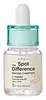 Key Ingredients
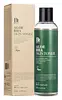
Benefits
Concerns
Ingredients Side-by-side
Water
Skin ConditioningGlycerin
Humectant


Propanediol
Solvent
1,2-Hexanediol
Skin Conditioning
Glycereth-26
Humectant
Niacinamide
Smoothing









Caprylic/Capric Triglyceride
Masking
Aloe Barbadensis Leaf Extract
Emollient
Althaea Rosea Flower Extract
Skin ConditioningLaminaria Japonica Extract
Skin Protecting
Eclipta Prostrata Leaf Extract
Skin ConditioningCentella Asiatica Extract
Cleansing
Ficus Carica Fruit Extract
Humectant
Ulmus Davidiana Root Extract
Skin Conditioning
Amaranthus Caudatus Seed Extract
Skin Conditioning
Camellia Sinensis Leaf Extract
Antimicrobial
Monarda Didyma Leaf Extract
Skin ConditioningHydrangea Macrophylla Leaf Extract
Skin ConditioningMentha Aquatica Extract
TonicSasa Quelpaertensis Extract
Skin ConditioningMelaleuca Alternifolia Leaf Extract
Perfuming
Melia Azadirachta Leaf Extract
Skin ConditioningEclipta Prostrata Extract
Skin Conditioning
Cinnamomum Camphora Leaf Extract
MaskingCryptomeria Japonica Leaf Extract
HumectantPinus Pinaster Bark/Bud Extract
Antimicrobial
Rosmarinus Officinalis Leaf Oil
Masking

Hydrogenated Lecithin
Emulsifying
Chamaecyparis Obtusa Water
MaskingTrehalose
Humectant
Octyldodeceth-16
EmulsifyingAcrylates/C10-30 Alkyl Acrylate Crosspolymer
Emulsion StabilisingTromethamine
BufferingC12-14 Pareth-12
EmulsifyingButylene Glycol
Humectant
Xanthan Gum
EmulsifyingDisodium EDTA
Ceramide NP
Skin Conditioning
Fructooligosaccharides
Humectant
Beta-Glucan
Skin Conditioning
Hydrolyzed Hyaluronic Acid
Humectant
4-Terpineol
Masking
Glycyrrhiza Glabra Rhizome/Root
EmollientMoringa Oleifera Seed Oil
Emollient
Glycolic Acid
Buffering


Salicylic Acid
Masking



Ethylhexylglycerin
Skin ConditioningWater, Glycerin, Propanediol, 1,2-Hexanediol, Glycereth-26, Niacinamide, Caprylic/Capric Triglyceride, Aloe Barbadensis Leaf Extract, Althaea Rosea Flower Extract, Laminaria Japonica Extract, Eclipta Prostrata Leaf Extract, Centella Asiatica Extract, Ficus Carica Fruit Extract, Ulmus Davidiana Root Extract, Amaranthus Caudatus Seed Extract, Camellia Sinensis Leaf Extract, Monarda Didyma Leaf Extract, Hydrangea Macrophylla Leaf Extract, Mentha Aquatica Extract, Sasa Quelpaertensis Extract, Melaleuca Alternifolia Leaf Extract, Melia Azadirachta Leaf Extract, Eclipta Prostrata Extract, Cinnamomum Camphora Leaf Extract, Cryptomeria Japonica Leaf Extract, Pinus Pinaster Bark/Bud Extract, Rosmarinus Officinalis Leaf Oil, Hydrogenated Lecithin, Chamaecyparis Obtusa Water, Trehalose, Octyldodeceth-16, Acrylates/C10-30 Alkyl Acrylate Crosspolymer, Tromethamine, C12-14 Pareth-12, Butylene Glycol, Xanthan Gum, Disodium EDTA, Ceramide NP, Fructooligosaccharides, Beta-Glucan, Hydrolyzed Hyaluronic Acid, 4-Terpineol, Glycyrrhiza Glabra Rhizome/Root, Moringa Oleifera Seed Oil, Glycolic Acid, Salicylic Acid, Ethylhexylglycerin
Aloe Barbadensis Leaf Water
MaskingWater
Skin ConditioningButylene Glycol
Humectant
Glycerin
Humectant
Dipropylene Glycol
HumectantPentylene Glycol
Skin Conditioning
1,2-Hexanediol
Skin Conditioning
Aloe Barbadensis Leaf Juice
Skin Conditioning
Sodium Hyaluronate
Humectant
Portulaca Oleracea Extract
Skin Conditioning
Psidium Guajava Fruit Extract
AstringentAspalathus Linearis Extract
Skin ConditioningCynanchum Atratum Extract
Skin ConditioningSalicylic Acid
Masking
Perilla Ocymoides Leaf Extract
TonicSchisandra Chinensis Fruit Extract
Skin Conditioning
Acorus Calamus Root Extract
Perfuming
Aloe Barbadensis Leaf Extract
Emollient
Althaea Rosea Root Extract
HumectantPolyglutamic Acid
Skin Conditioning
Beta-Glucan
Skin Conditioning
Arginine
Masking
Allantoin
Skin Conditioning
Citrus Paradisi Fruit Extract
Skin ConditioningCaprylyl Glycol
Emollient
C12-14 Pareth-12
EmulsifyingAcrylates/C10-30 Alkyl Acrylate Crosspolymer
Emulsion StabilisingXanthan Gum
EmulsifyingAloe Barbadensis Leaf Water, Water, Butylene Glycol, Glycerin, Dipropylene Glycol, Pentylene Glycol, 1,2-Hexanediol, Aloe Barbadensis Leaf Juice, Sodium Hyaluronate, Portulaca Oleracea Extract, Psidium Guajava Fruit Extract, Aspalathus Linearis Extract, Cynanchum Atratum Extract, Salicylic Acid, Perilla Ocymoides Leaf Extract, Schisandra Chinensis Fruit Extract, Acorus Calamus Root Extract, Aloe Barbadensis Leaf Extract, Althaea Rosea Root Extract, Polyglutamic Acid, Beta-Glucan, Arginine, Allantoin, Citrus Paradisi Fruit Extract, Caprylyl Glycol, C12-14 Pareth-12, Acrylates/C10-30 Alkyl Acrylate Crosspolymer, Xanthan Gum
Reviews
Ingredients Explained
These ingredients are found in both products.
Ingredients higher up in an ingredient list are typically present in a larger amount.
1,2-Hexanediol is a synthetic liquid and another multi-functional powerhouse.
It is a:
- Humectant, drawing moisture into the skin
- Emollient, helping to soften skin
- Solvent, dispersing and stabilizing formulas
- Preservative booster, enhancing the antimicrobial activity of other preservatives
Acrylates/C10-30 Alkyl Acrylate Crosspolymer is a synthetic polymer. It is used to thicken, emulsify, and improve the texture of products.
As an emulsifier, it helps stabilize oil-in-water emulsions to give products an elegant feel when applied.
It can also form a thin protective film on skin. One study found that a formula using this polymer helped slow down how quickly other ingredients (like DEET) were absorbed through skin.
A 2024 study of over 1,300 patients confirmed that sensitization to this ingredient is rare. It is also non-mutagenic and has a clean track record.
Learn more about Acrylates/C10-30 Alkyl Acrylate CrosspolymerAloe Barbadensis Leaf Extract is an extract of the leaves of the aloe, Aloe barbadensis, Liliaceae.
Aloe is one of the most well-known natural soothing ingredients, and for good reason. It’s full of water and has a cooling, calming effect on the skin, especially when it’s sunburned, itchy, or irritated. Aloe also helps your skin stay hydrated and smooth by mimicking what healthy skin naturally produces. On top of that, it contains vitamins and nutrients that support skin recovery.
It doesn’t protect you from the sun, but it can help your skin bounce back after too much time in it.
Let’s get into the details:
Aloe contains antioxidant Vitamins A, C, and E, which help fight off free radicals (unstable molecules from things like pollution that can damage your skin).
It’s also rich in polysaccharides, which are natural sugars that help hydrate the skin by acting like the skin’s own moisturizing agents. These, along with other sugars like monosaccharides, help form a protective barrier that locks in moisture.
Aloe works as both a humectant and an emollient. That means it draws water into the skin (humectant) and helps trap it there (emollient), making it an effective natural moisturizer.
You’ll also find a mix of other skin-supporting ingredients in aloe, including folic acid, choline, calcium, amino acids, fatty acids, and even Vitamin B12.
Out of the 420+ species of aloe, Aloe barbadensis is the most widely used in skincare products thanks to its gentle yet effective properties.
There are over 420 species of aloe but Aloe Barbadensis is the most commonly used for topical products.
Learn more about Aloe Barbadensis Leaf ExtractBeta-Glucan is a polysaccharide. It can be derived from the cell walls of seaweed, oats, yeast, and fungi. It hydrates the skin and helps boost your skin's natural barrier.
As an antioxidant, beta-glucan helps fight free-radicals. Free-radicals are molecules that may damage your skin cells, such as pollution.
Studies show this ingredient may be an effective wrinkle reducer as it can deeply penetrate into skin. It has also been show to help with wound healing.
Learn more about Beta-GlucanButylene Glycol (or BG) is used within cosmetic products for a few different reasons:
Overall, Butylene Glycol is a safe and well-rounded ingredient that works well with other ingredients.
Though this ingredient works well with most skin types, some people with sensitive skin may experience a reaction such as allergic rashes, closed comedones, or itchiness.
Learn more about Butylene GlycolC12-14 Pareth-12 is created from a mixture of synthetic C12-14 alcohols that have about 12 moles of ethylene oxide.
It is an emulsifying and cleansing ingredient. Emulsifier help prevent ingredients from separating, such as oils and waters.
Glycerin (or glycerol) is a compound naturally found in your skin. It's a powerhouse humectant that pulls water into the stratum corneum.
Topically, glycerin does several things at once:
Your skin makes glycerin on its own (mostly from sebaceous oil breakdown) and shuttles it to your outermost layer of skin, or your epidermis, via aquaporin-3.
Aquaporin-3 is a transporter that is essential for normal skin hydration, elasticity, and repair. Interestingly, mice lacking in AQP3 have dry and less elastic skin that can be fully corrected with glycerin.
This ingredient is non-irritating, plays well with almost every ingredient, and works across all skin types. Typical use is anywhere between 3-10% but can go up to 79% in some leave-on products.
Just know very high concentrations (>40%) can feel tacky in low humidity.
Glycerin is the name for this ingredient in American English. British English uses Glycerol/Glycerine.
Learn more about GlycerinSalicylic Acid (also known as beta hydroxy acid or BHA) is a well-known ingredient for treating skin that struggles with acne and clogged pores. It exfoliates both the skin's surface and deep within the pores to help clear out buildup, control oil, and reduce inflammation.
Unlike AHAs (alpha hydroxy acids), salicylic acid is oil-soluble. This allows it to penetrate into pores which makes it especially effective for treating blackheads and preventing future breakouts.
Salicylic acid is also known for its soothing properties. It has a similar structure to aspirin and can calm inflamed or irritated skin, making it a good option for acne-prone skin that is also sensitive.
Concentrations of 0.5-2% are recognized by the U.S. FDA as an over-the-counter topical acne product.
It can cause irritation and/or dryness if one's skin already has a compromised moisture barrier, so it's best to focus on repairing that before introducing this ingredient into your routine.
While salicylic acid does not increase sun sensitivity, it’s still important to wear sunscreen daily to protect your skin.
If you are looking for the ingredient called BHA or Butylated Hydroxyanisole, click here.
Learn more about Salicylic AcidWater. It's the most common cosmetic ingredient of all. You'll usually see it at the top of ingredient lists, meaning that it makes up the largest part of the product.
So why is it so popular? Water most often acts as a solvent - this means that it helps dissolve other ingredients into the formulation.
You'll also recognize water as that liquid we all need to stay alive. If you see this, drink a glass of water. Remember to stay hydrated!
Learn more about WaterXanthan gum is used as a stabilizer and thickener within cosmetic products. It helps give products a sticky, thick feeling - preventing them from being too runny.
On the technical side of things, xanthan gum is a polysaccharide - a combination consisting of multiple sugar molecules bonded together.
Xanthan gum is a pretty common and great ingredient. It is a natural, non-toxic, non-irritating ingredient that is also commonly used in food products.
Learn more about Xanthan Gum
