Avène Cleanance Aqua Gel-Crème Versus Yves Rocher 48H Non-Stop Moisturizing Gel Cream - Normal to Combination Skin
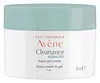
This oil-control moisturizer is formulated around Niacinamide to balance excess oil.
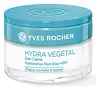
This moisturizer is formulated around Aloe Barbadensis Leaf Juice Powder to hydrate skin.

What's inside
What's inside
 Key Ingredients
Benefits
Concerns
Ingredients Side-by-side
Water
Skin ConditioningPropanediol
Solvent

Pentylene Glycol
Skin Conditioning
Glycerin
Humectant
Triethylhexanoin
MaskingNiacinamide
Smoothing









Acrylates/C10-30 Alkyl Acrylate Crosspolymer
Emulsion StabilisingCI 42090
Cosmetic ColorantCaprylic/Capric Triglyceride
Masking
Caprylyl Glycol
Emollient
Cetearyl Olivate


Diglycerin
Humectant
Parfum
Masking



Glyceryl Laurate
Emollient
Hydroxyethyl Acrylate/Sodium Acryloyldimethyl Taurate Copolymer
Emulsion StabilisingHydroxypropyl Starch Phosphate
Lens Esculenta Seed Extract
Skin ProtectingPEG-30 Dipolyhydroxystearate
Emulsifying
Polyglycerin-3
Humectant
Polysorbate 60
Emulsifying
Potassium Hydroxide
BufferingSodium Benzoate
Masking
Sorbitan Isostearate
Emulsifying
Sorbitan Olivate
Emulsifying
Tocopheryl Glucoside
EmollientTrideceth-6
EmulsifyingWater, Propanediol, Pentylene Glycol, Glycerin, Triethylhexanoin, Niacinamide, Acrylates/C10-30 Alkyl Acrylate Crosspolymer, CI 42090, Caprylic/Capric Triglyceride, Caprylyl Glycol, Cetearyl Olivate, Diglycerin, Parfum, Glyceryl Laurate, Hydroxyethyl Acrylate/Sodium Acryloyldimethyl Taurate Copolymer, Hydroxypropyl Starch Phosphate, Lens Esculenta Seed Extract, PEG-30 Dipolyhydroxystearate, Polyglycerin-3, Polysorbate 60, Potassium Hydroxide, Sodium Benzoate, Sorbitan Isostearate, Sorbitan Olivate, Tocopheryl Glucoside, Trideceth-6
Water
Skin ConditioningGlycerin
Humectant
Methylpropanediol
SolventDicaprylyl Ether
Emollient
Alcohol
Antimicrobial

Isopropyl Palmitate
Emollient

Betaine
Humectant
Hydroxyethyl Acrylate/Sodium Acryloyldimethyl Taurate Copolymer
Emulsion StabilisingHamamelis Virginiana Water
Astringent
Macadamia Ternifolia Seed Oil
Emollient
Carpobrotus Edulis Extract
Aloe Barbadensis Leaf Juice Powder
Skin Conditioning
Hydroxyacetophenone
Antioxidant
Acrylates/Vinyl Isodecanoate Crosspolymer
Emulsion StabilisingSodium PCA
Humectant
Inositol
Humectant
Parfum
Masking
Panthenol
Skin Conditioning
Polyglyceryl-10 Stearate
Skin Conditioning
Sodium Hydroxide
BufferingAllantoin
Skin Conditioning
Salicylic Acid
Masking
Tocopheryl Acetate
Antioxidant
Polysorbate 60
Emulsifying
Sorbitan Isostearate
Emulsifying
Sodium Benzoate
Masking
Benzyl Alcohol
Perfuming
Citric Acid
Buffering
Pantolactone
Humectant
Potassium Sorbate
Preservative
Tocopherol
Antioxidant
Water, Glycerin, Methylpropanediol, Dicaprylyl Ether, Alcohol, Isopropyl Palmitate, Betaine, Hydroxyethyl Acrylate/Sodium Acryloyldimethyl Taurate Copolymer, Hamamelis Virginiana Water, Macadamia Ternifolia Seed Oil, Carpobrotus Edulis Extract, Aloe Barbadensis Leaf Juice Powder, Hydroxyacetophenone, Acrylates/Vinyl Isodecanoate Crosspolymer, Sodium PCA, Inositol, Parfum, Panthenol, Polyglyceryl-10 Stearate, Sodium Hydroxide, Allantoin, Salicylic Acid, Tocopheryl Acetate, Polysorbate 60, Sorbitan Isostearate, Sodium Benzoate, Benzyl Alcohol, Citric Acid, Pantolactone, Potassium Sorbate, Tocopherol
Reviews
Ingredients Explained
These ingredients are found in both products.
Ingredients higher up in an ingredient list are typically present in a larger amount.
Glycerin (or glycerol) is a compound naturally found in your skin. It's a powerhouse humectant that pulls water into the stratum corneum.
Topically, glycerin does several things at once:
Your skin makes glycerin on its own (mostly from sebaceous oil breakdown) and shuttles it to your outermost layer of skin, or your epidermis, via aquaporin-3.
Aquaporin-3 is a transporter that is essential for normal skin hydration, elasticity, and repair. Interestingly, mice lacking in AQP3 have dry and less elastic skin that can be fully corrected with glycerin.
This ingredient is non-irritating, plays well with almost every ingredient, and works across all skin types. Typical use is anywhere between 3-10% but can go up to 79% in some leave-on products.
Just know very high concentrations (>40%) can feel tacky in low humidity.
Glycerin is the name for this ingredient in American English. British English uses Glycerol/Glycerine.
Learn more about GlycerinThis is a synthetic polymer. It helps improve the texture of products by adding thickness and gel-like feel.
It is also an emulsifer, meaning it prevents ingredients such as oil and water from separating. It also helps evenly disperse other ingredients.
Parfum is a catch-all term for an ingredient or more that is used to give a scent to products.
Also called "fragrance", this ingredient can be a blend of hundreds of chemicals or plant oils. This means every product with "fragrance" or "parfum" in the ingredients list is a different mixture.
For instance, Habanolide is a proprietary trade name for a specific aroma chemical. When used as a fragrance ingredient in cosmetics, most aroma chemicals fall under the broad labeling category of “FRAGRANCE” or “PARFUM” according to EU and US regulations.
The term 'parfum' or 'fragrance' is not regulated in many countries. In many cases, it is up to the brand to define this term.
For instance, many brands choose to label themselves as "fragrance-free" because they are not using synthetic fragrances. However, their products may still contain ingredients such as essential oils that are considered a fragrance by INCI standards.
One example is Calendula flower extract. Calendula is an essential oil that still imparts a scent or 'fragrance'.
Depending on the blend, the ingredients in the mixture can cause allergies and sensitivities on the skin. Some ingredients that are known EU allergens include linalool and citronellol.
Parfum can also be used to mask or cover an unpleasant scent.
The bottom line is: not all fragrances/parfum/ingredients are created equally. If you are worried about fragrances, we recommend taking a closer look at an ingredient. And of course, we always recommend speaking with a professional.
Learn more about ParfumPolysorbate 60 is used to help stabilize products. It is a surfactant and emulsifier. These properties help keep ingredients together in a product. Surfactants help reduce surface tension between ingredients with different states, such as liquids and solids. Emulsifiers help prevent oils and waters from separating.
Polysorbate 60 is sorbitol-based and created from the ethoxylation of sorbitan. Ethoxylation is a chemical reaction used to add ethylene oxide. Sorbitan is a the dehydrated version of sorbitol, a sugar found in fruits.
In this case, the 60 comes from reacting 60 units of ethylene oxide with sorbitan.
Polysorbates are commonly used in medicine and foods.
Learn more about Polysorbate 60Sodium Benzoate is a preservative. It's used in both cosmetic and food products to inhibit the growth of mold and bacteria. It is typically produced synthetically.
Both the US FDA and EU Health Committee have approved the use of sodium benzoate. In the US, levels of 0.1% (of the total product) are allowed.
Sodium benzoate works as a preservative by inhibiting the growth of bacteria inside of cells. It prevents the cell from fermenting a type of sugar using an enzyme called phosphofructokinase.
It is the salt of benzoic acid. Foods containing sodium benzoate include soda, salad dressings, condiments, fruit juices, wines, and snack foods.
Studies for using ascorbic acid and sodium benzoate in cosmetics are lacking, especially in skincare routines with multiple steps.
We always recommend speaking with a professional, such as a dermatologist, if you have any concerns.
Learn more about Sodium BenzoateSorbitan Isostearate is an emulsifer. It is created from isostearic acid and sorbitol.
As an emulsifier, it keeps the water and oil ingredients from separating. This keeps formulas stable and smooth.
In a 24 hour occlusive patch test on 56 subjects, 10% sorbitan isostearate was completely non-irritating. Most formulas use less than 10%.
Because it's a fatty acid ester, it may not be fungal acne safe since the Malassezia yeast can utilize it as a nutrient source.
Learn more about Sorbitan IsostearateWater. It's the most common cosmetic ingredient of all. You'll usually see it at the top of ingredient lists, meaning that it makes up the largest part of the product.
So why is it so popular? Water most often acts as a solvent - this means that it helps dissolve other ingredients into the formulation.
You'll also recognize water as that liquid we all need to stay alive. If you see this, drink a glass of water. Remember to stay hydrated!
Learn more about Water

