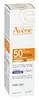
This chemical sunscreen covers the full UV range and blocks ~98% of UVB at SPF 50.
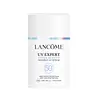
This oil-control day moisturizer is formulated around Niacinamide to balance excess oil and fade the look of dark spots.

What's inside
What's inside
 Key Ingredients
Benefits
Concerns
Ingredients Side-by-side
Water
Skin ConditioningC12-15 Alkyl Benzoate
AntimicrobialDicaprylyl Carbonate
EmollientDiethylamino Hydroxybenzoyl Hexyl Benzoate
UV Filter
Diisopropyl Adipate
EmollientEthylhexyl Triazone
UV Absorber
Oryza Sativa Starch
AbsorbentPhenylene Bis-Diphenyltriazine
Stabilising
Bis-Ethylhexyloxyphenol Methoxyphenyl Triazine
UV Absorber
Potassium Cetyl Phosphate
EmulsifyingC9-12 Alkane
SolventLauryl Glucoside
CleansingPolyglyceryl-2 Dipolyhydroxystearate
Skin Conditioning

Glycerin
Humectant


Tapioca Starch
Trimethylpentanediol/Adipic Acid/Glycerin Crosspolymer
Skin ConditioningBenzoic Acid
Masking

Caprylic/Capric Triglyceride
Masking
Caprylyl Glycol
Emollient
Citric Acid
Buffering

Coco-Caprylate/Caprate
Emollient
Glyceryl Laurate
Emollient
Glycine Soja Oil
Emollient




Lens Esculenta Seed Extract
Skin ProtectingPentylene Glycol
Skin Conditioning
PPG-1-PEG-9 Lauryl Glycol Ether
EmulsifyingCI 17200
Cosmetic ColorantSodium Benzoate
Masking
Sodium Hyaluronate
Humectant


Sodium Phytate
ChelatingTocopherol
Antioxidant

Tocopheryl Glucoside
EmollientXanthan Gum
EmulsifyingWater, C12-15 Alkyl Benzoate, Dicaprylyl Carbonate, Diethylamino Hydroxybenzoyl Hexyl Benzoate, Diisopropyl Adipate, Ethylhexyl Triazone, Oryza Sativa Starch, Phenylene Bis-Diphenyltriazine, Bis-Ethylhexyloxyphenol Methoxyphenyl Triazine, Potassium Cetyl Phosphate, C9-12 Alkane, Lauryl Glucoside, Polyglyceryl-2 Dipolyhydroxystearate, Glycerin, Tapioca Starch, Trimethylpentanediol/Adipic Acid/Glycerin Crosspolymer, Benzoic Acid, Caprylic/Capric Triglyceride, Caprylyl Glycol, Citric Acid, Coco-Caprylate/Caprate, Glyceryl Laurate, Glycine Soja Oil, Lens Esculenta Seed Extract, Pentylene Glycol, PPG-1-PEG-9 Lauryl Glycol Ether, CI 17200, Sodium Benzoate, Sodium Hyaluronate, Sodium Phytate, Tocopherol, Tocopheryl Glucoside, Xanthan Gum
Water
Skin ConditioningDicaprylyl Carbonate
EmollientPhenylbenzimidazole Sulfonic Acid
UV Absorber
Alcohol Denat.
Antimicrobial


Dimethicone
Emollient
Niacinamide
Smoothing




Propanediol
Solvent
Bis-Ethylhexyloxyphenol Methoxyphenyl Triazine
UV Absorber
Butyl Methoxydibenzoylmethane
UV Absorber
Ethylhexyl Triazone
UV Absorber
Methylene Bis-Benzotriazolyl Tetramethylbutylphenol
UV Filter
Silica
Abrasive
Diethylamino Hydroxybenzoyl Hexyl Benzoate
UV Filter
Cetearyl Alcohol
Emollient
Hydroxyethyl Acrylate/Sodium Acryloyldimethyl Taurate Copolymer
Emulsion StabilisingSodium Hydroxide
BufferingTocopherol
Antioxidant
Sodium Stearoyl Glutamate
CleansingPhenoxyethanol
Preservative
PEG-20
HumectantTrisodium Ethylenediamine Disuccinate
ChelatingPolyglyceryl-10 Laurate
Skin Conditioning
Cellulose
Absorbent
Maltodextrin
Absorbent
Polysorbate 60
Emulsifying
Pentylene Glycol
Skin Conditioning
Xanthan Gum
EmulsifyingParfum
Masking

Taraxacum Officinale Rhizome/Root Extract
Skin ConditioningTaraxacum Officinale Extract
Skin ConditioningSorbitan Isostearate
Emulsifying
Butylene Glycol
Humectant
Cetearyl Glucoside
Emulsifying
Lauroyl Lysine
Skin Conditioning
Inulin Lauryl Carbamate
Emulsion StabilisingBixa Orellana Seed Extract
MaskingGlycerin
Humectant
Water, Dicaprylyl Carbonate, Phenylbenzimidazole Sulfonic Acid, Alcohol Denat., Dimethicone, Niacinamide, Propanediol, Bis-Ethylhexyloxyphenol Methoxyphenyl Triazine, Butyl Methoxydibenzoylmethane, Ethylhexyl Triazone, Methylene Bis-Benzotriazolyl Tetramethylbutylphenol, Silica, Diethylamino Hydroxybenzoyl Hexyl Benzoate, Cetearyl Alcohol, Hydroxyethyl Acrylate/Sodium Acryloyldimethyl Taurate Copolymer, Sodium Hydroxide, Tocopherol, Sodium Stearoyl Glutamate, Phenoxyethanol, PEG-20, Trisodium Ethylenediamine Disuccinate, Polyglyceryl-10 Laurate, Cellulose, Maltodextrin, Polysorbate 60, Pentylene Glycol, Xanthan Gum, Parfum, Taraxacum Officinale Rhizome/Root Extract, Taraxacum Officinale Extract, Sorbitan Isostearate, Butylene Glycol, Cetearyl Glucoside, Lauroyl Lysine, Inulin Lauryl Carbamate, Bixa Orellana Seed Extract, Glycerin
Reviews
Ingredients Explained
These ingredients are found in both products.
Ingredients higher up in an ingredient list are typically present in a larger amount.
This ingredient is better known as bemotrizinol or Tinosorb S and is one of the best broad-spectrum UV filters in modern sunscreen.
It works by absorbing UV light across a whole range (280-400 nm) with peaks around 310 nm (UVB) and 340-345 nm (UVA). This means it covers UVB plus the deeper UVA wavelengths that drive photoaging and pigmentation.
Another pro?
It's exceptionally photostable, barely degrades in sunlight, and acts as a "bodyguard" for less stable filters.
That's why you'll see it paired with avobenzone or octinoxate; this team up ensures they keep working through sun exposure.
Safety reviews have been reassuring across the board. This ingredient shows low absorption through the skin, rarely irritates, and lab studies found it doesn't act like a hormone in the body (a concern that's been raised about some older sunscreen filters).
On maximum concentrations:
In 2026, the US F.D.A finally added it as an OTC sunscreen ingredient at concentrations up to 6% for adults / children 6 months and older
Learn more about Bis-Ethylhexyloxyphenol Methoxyphenyl TriazineDicaprylyl Carbonate comes from carbonic acid and caprylyl alcohol, a fatty alcohol. It is an emollient and gives skin a velvet feel. The sources of Dicaprylyl Carbonate may be synthetic or from animals.
As an emollient, Dicaprylyl Carbonate creates a film on the skin. This film traps moisture in, keeping your skin soft and hydrated.
Diethylamino Hydroxybenzoyl Hexyl Benzoate (DHHB) is a chemical UV-A absorber. It is formulated for high UVA protection (320-400 nm).
DHHB is well-liked for:
DHHB has been approved by the EU, Japan, Taiwan, and South America for use up to 10%. Unfortunately, it has not been approved for use in the US or Canada due to slow regulatory processes.
This ingredient is soluble in oils, fats, and lipids.
Learn more about Diethylamino Hydroxybenzoyl Hexyl BenzoateEthylhexyl Triazone (aka Octyl Triazone) is an oil-soluble organic UVB filter. It has peak absorption around 314 nm, right in the middle of the UVB range.
This ingredient is described as one of the most effective UVB filters available and small concentrations are enough to deliver a high SPF thanks to its strong UV absorbing power.
Formulators love it for its stability; its ability to filter UV stays practically unchanged even under intense radiation and it can also help boost the photostability of less stable filters like avobenzone.
It's also a great pick for water resistant products because it's insoluble in water and has a good affinity for keratin.
Because it's a big, heavy molecule, the European Scientific Committee has found to to have very low dermal penetration and negative results for allergenicity.
In vitro testing also showed a low absorption rate and clean results on irritation.
Typical use levels are 1-5% with 5% being the maximum in the EU, Japan, and other markets that allow it. However, this ingredient is not approved yet in the US or Canada.
Learn more about Ethylhexyl TriazoneGlycerin (or glycerol) is a compound naturally found in your skin. It's a powerhouse humectant that pulls water into the stratum corneum.
Topically, glycerin does several things at once:
Your skin makes glycerin on its own (mostly from sebaceous oil breakdown) and shuttles it to your outermost layer of skin, or your epidermis, via aquaporin-3.
Aquaporin-3 is a transporter that is essential for normal skin hydration, elasticity, and repair. Interestingly, mice lacking in AQP3 have dry and less elastic skin that can be fully corrected with glycerin.
This ingredient is non-irritating, plays well with almost every ingredient, and works across all skin types. Typical use is anywhere between 3-10% but can go up to 79% in some leave-on products.
Just know very high concentrations (>40%) can feel tacky in low humidity.
Glycerin is the name for this ingredient in American English. British English uses Glycerol/Glycerine.
Learn more about GlycerinPentylene Glycol (1,2-pentanediol) is a multitasking little diol with three main roles in a formula:
Research on alkanediols (the family pentylene glycol belongs to) show they work by disrupting microbial cell membranes. This disruption helps the primary preservative system in a product work more effectively at lower doses.
On the safety side, the Cosmetic Ingredient Review Expert Panel has concluded this ingredient to be safe as used in current cosmetic practices + concentrations.
Typical use levels in a formula run about 1-5%.
Learn more about Pentylene GlycolTocopherol is a fat-soluble antioxidant known as Vitamin E.
You'll find this ingredient in the vast majority of skincare (for good reason). It works to neutralize free radicals, or unstable molecules generated by UV exposure, pollution, and other environmental stressors, before they can cause oxidative damage to your skin cells.
Topically applied tocopherol has been shown to protect against UV damage by ramping up the skin's own natural defense enzymes.
It also acts as a skin conditioning agent; some studies show that regular topical use can improve the skin's water-binding capacity over 2-4 weeks.
This ingredient is especially loved for being a team player. When combined with Vitamin C, the photoprotective effect of both ingredients roughly doubles and the combo also helps reduce UV-induced DNA damage.
This ingredient has some brightening potential but it's more of a prevention ingredient than spot-fader. Cell studies show it can slow down melanin production but it's worth noting that it's not the most powerful brightener out there.
In formulations, it also serves as a stabilizer that helps protect other oxidation-prone ingredients from degrading.
Concentrations usually range from 0.1-1% in most leave-on products.
Learn more about TocopherolWater. It's the most common cosmetic ingredient of all. You'll usually see it at the top of ingredient lists, meaning that it makes up the largest part of the product.
So why is it so popular? Water most often acts as a solvent - this means that it helps dissolve other ingredients into the formulation.
You'll also recognize water as that liquid we all need to stay alive. If you see this, drink a glass of water. Remember to stay hydrated!
Learn more about WaterXanthan gum is used as a stabilizer and thickener within cosmetic products. It helps give products a sticky, thick feeling - preventing them from being too runny.
On the technical side of things, xanthan gum is a polysaccharide - a combination consisting of multiple sugar molecules bonded together.
Xanthan gum is a pretty common and great ingredient. It is a natural, non-toxic, non-irritating ingredient that is also commonly used in food products.
Learn more about Xanthan Gum

